Micron is officially stepping away from its Crucial consumer business, a move that signals just how intense the current battle for memory supply has become in the age of AI. For everyday PC builders, gamers, and laptop upgraders, it’s disappointing news. For the wider tech industry, it’s another clear sign that data centers and AI platforms are now driving many of the biggest decisions in the memory market.
In a company announcement, Micron confirmed it will exit the Crucial consumer business, including the sale of Crucial-branded consumer products through major retailers, online sellers, and distributors worldwide. While this is a major change, it won’t happen overnight. Micron says it will continue shipping Crucial consumer products through the consumer channel until the end of its fiscal Q2, which lands in February 2026. The company also stated it will continue to provide warranty service and support for Crucial products, even as it winds down new consumer shipments.
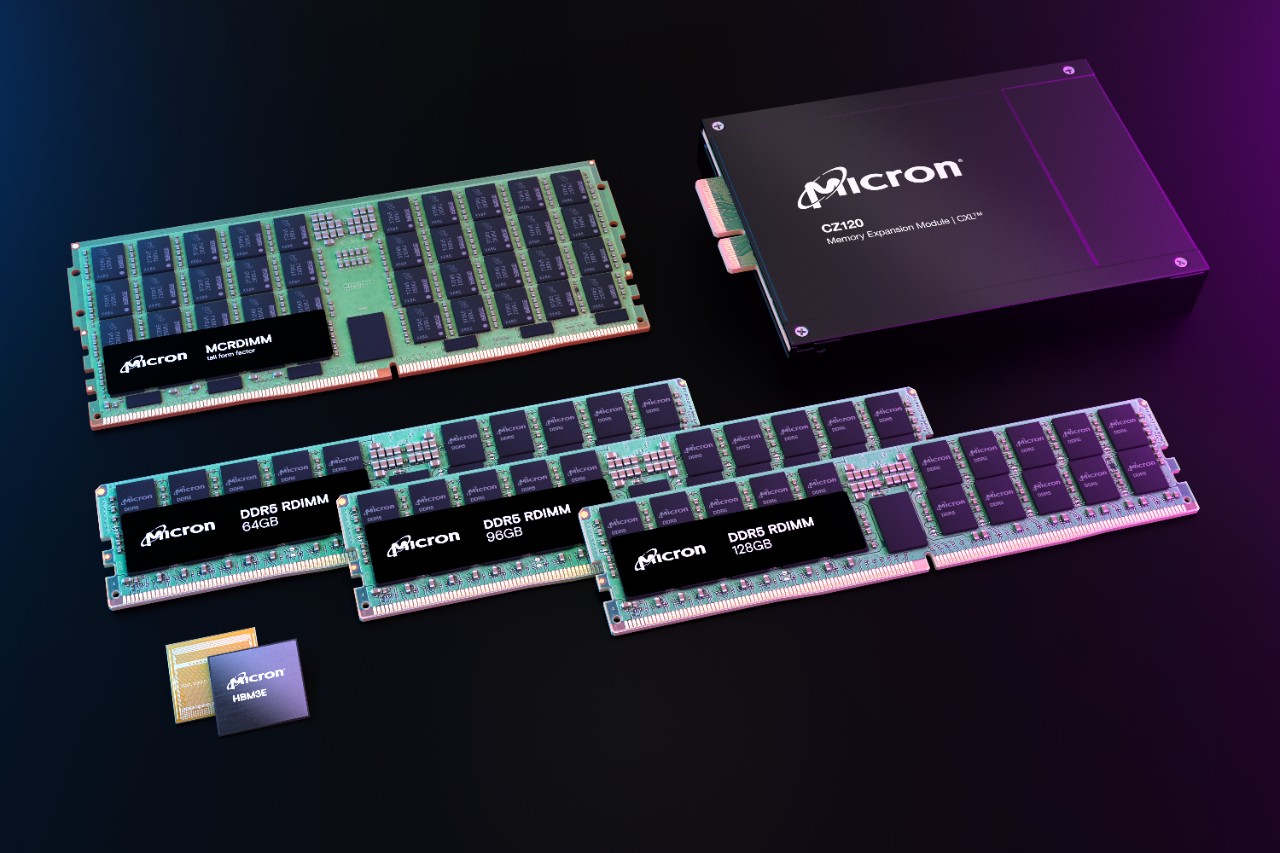
At the same time, Micron will continue supporting Micron-branded enterprise products sold through commercial channels globally. In other words, Micron isn’t leaving memory and storage—it’s narrowing its focus toward business and data center customers where demand is growing fastest and margins are often higher.
The key driver behind the decision is the AI-fueled expansion of data centers. As AI training and inference workloads scale up, cloud service providers and large tech companies have been consuming enormous amounts of DRAM and storage. That demand is pushing memory makers to prioritize supply for customers that are willing to pay a premium to secure allocations. Micron described the decision as difficult, but positioned it as necessary to improve supply and support for larger, strategic customers in faster-growing segments.
Micron also used the moment to recognize Crucial’s long history, noting that the brand became closely associated with quality, reliability, and technical leadership in memory and storage over nearly three decades. The company thanked its customers, partners, and employees who contributed to that run.
From a business strategy perspective, Micron framed the shift as part of a broader portfolio transformation—aligning resources toward long-term, profitable growth areas in memory and storage. The company believes concentrating on core enterprise and commercial segments will strengthen long-term performance and deliver more value to strategic customers and stakeholders.
There’s also an employee impact angle. Micron says it plans to reduce disruption for team members by offering redeployment opportunities into existing open roles within the company.
What does this mean for consumers? In the near term, availability should remain normal, since Micron will keep fulfilling Crucial consumer demand through February 2026. After that point, the implication is clear: more DRAM capacity is expected to be directed toward AI-focused customers, which could further tighten supply or influence pricing dynamics in the consumer memory market over time—especially if demand from cloud and AI keeps accelerating.
For gamers and PC enthusiasts, the takeaway is simple: one of the most familiar names in consumer RAM and SSD upgrades is being phased out, not due to lack of interest from buyers, but because the AI sector is reshaping priorities across the entire semiconductor and memory industry. And Micron isn’t alone—other major memory manufacturers have also been signaling a stronger push toward long-term profitability tied to enterprise and AI demand, rather than trying to keep consumer and data center supply perfectly balanced.