From chip pricing shocks to a quantum computing pivot, here are the biggest semiconductor and AI hardware developments from September 15–21 that are shaping the next phase of computing and supply chains.
Micron freezes NAND and DRAM quotes as price increases accelerate
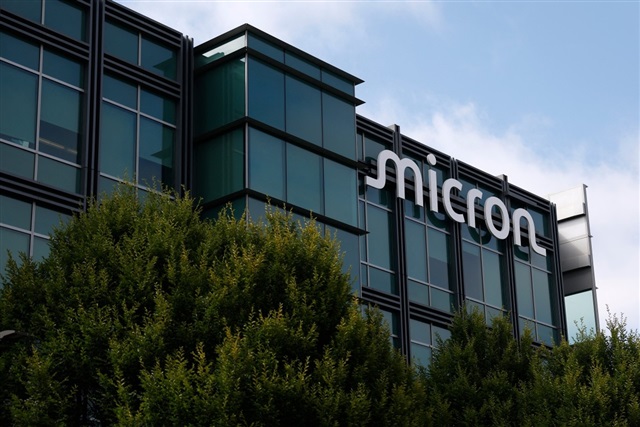
After SanDisk announced a 10% hike on NAND products, memory suppliers moved quickly to reassess pricing. Micron temporarily paused price quotes for both NAND Flash and DRAM for the week, signaling tighter supply and stronger bargaining power ahead of expected shortages in 2026. Market chatter points to potential NAND Flash price jumps of up to 30% as inventories thin and buyers lock in supply.
Nvidia doubles down on quantum computing after strategic U-turn
Nvidia CEO Jensen Huang has reversed course on quantum computing. Once cautious about near-term returns, he’s now directing significant investment into quantum startups, positioning Nvidia to help shape the next era of computing where quantum systems converge with accelerated and AI-driven workloads.
AI demand sends memory prices soaring in 4Q25, breaking seasonal patterns
Instead of the usual year-end slowdown, contract prices for NAND and DRAM climbed an estimated 15–20% in the fourth quarter of 2025. The surge was driven by unrelenting AI infrastructure build-outs and aggressive procurement by cloud providers. High-stack 3D NAND products were reported to be close to sold out, underscoring ongoing supply tightness.
SMIC tests homegrown DUV lithography to work around export controls
China is pushing forward with domestic lithography to reduce reliance on foreign tools. SMIC has begun testing an immersion deep ultraviolet (DUV) system developed by a Shanghai-based startup. The tool targets production at the 7nm node, marking a key step in Beijing’s broader effort to mitigate the impact of US export restrictions and limited access to leading-edge equipment.
HBM4 race heats up as Samsung gains momentum
With Nvidia ratcheting up performance requirements for next-generation HBM4, Micron is reportedly struggling to meet the new thresholds. Industry watchers in South Korea suggest this could give Samsung Electronics an advantage in securing future orders, intensifying competition across advanced memory used to power AI accelerators.
US–China chip tensions escalate, opening doors for Chinese analog alternatives
The semiconductor standoff entered a new phase as Washington added 23 Chinese entities to the Entity List, including 13 chip firms across Beijing, Shanghai, Shenzhen, Wuxi, and Changsha. At the same time, Beijing’s anti-dumping push is putting US analog chip suppliers under pressure, a shift that could accelerate the rise of domestic Chinese alternatives in power management, sensing, and signal-chain applications.
Taiwan charts a quantum roadmap with IBM to jump-start commercialization
Taiwan’s National Science and Technology Council is prioritizing the fusion of quantum mainframes with high-performance computing. Plans include procuring systems from IBM Quantum with a goal of cultivating an open, interoperable framework—echoing the approach that propelled the PC era’s open standards. The ambition is clear: catalyze a quantum ecosystem that businesses can build on at scale.
Why this week matters
– Memory markets are flipping in favor of suppliers, with AI demand and looming shortages driving sharp price moves.
– Quantum computing is shifting from theory to investment reality as major players reposition for the long game.
– Geopolitics continues to redraw semiconductor supply lines, from lithography to analog chips.
– The HBM4 battle underscores that leadership in AI hinges on both compute and memory innovation.
Expect tighter memory supply, faster moves in quantum-HPC integration, and more turbulence in chip trade policy as the industry races toward the next computing era.