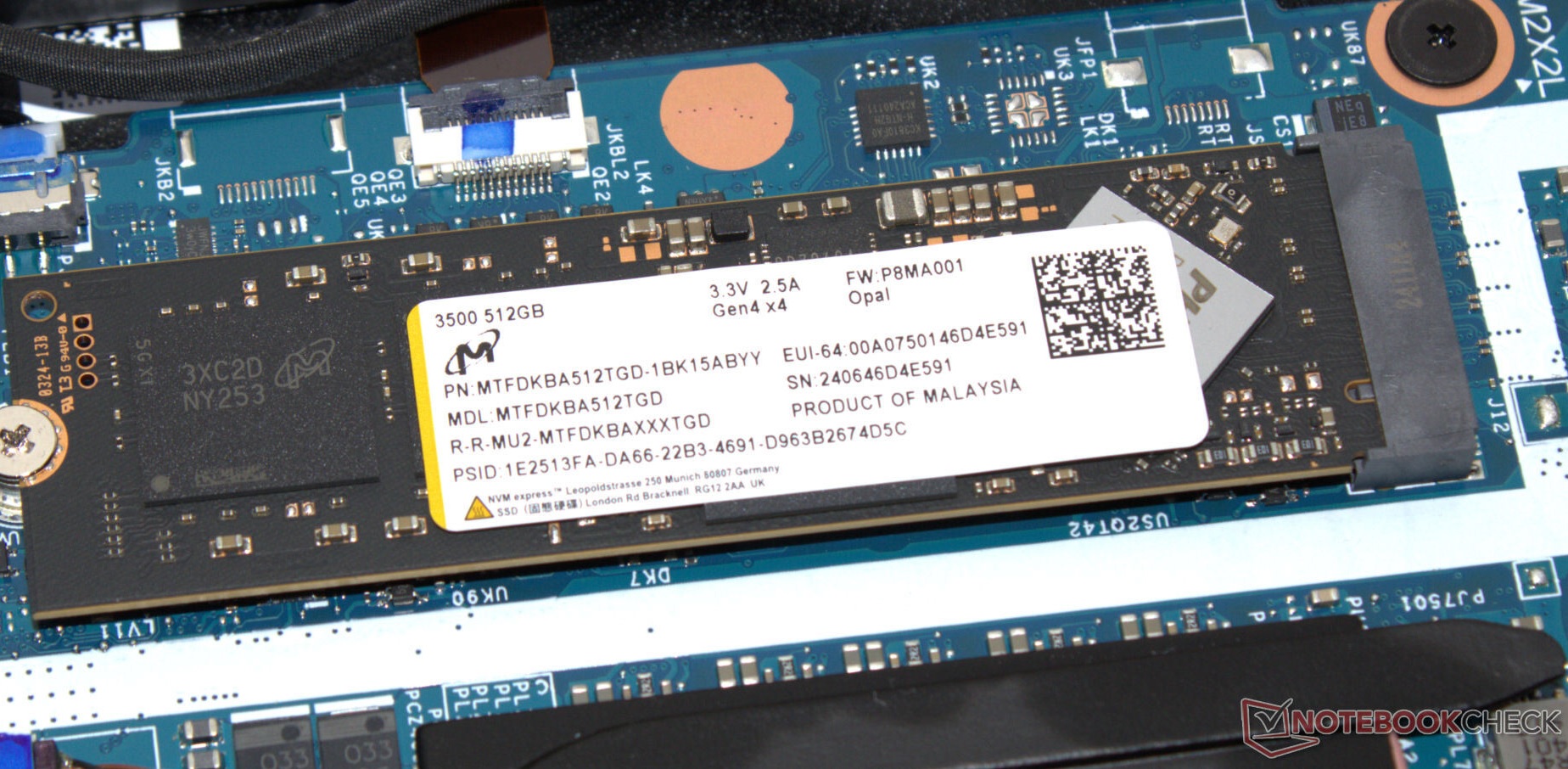
Solid-state drives (SSDs) have long been celebrated for their fast read and write speeds, radically improving system responsiveness and data access times. Among the numerous options in the market, the Micron 3500 MTFDKBA512TGD SSD has captured attention. To assess its capabilities, we delve into the performance benchmarks of this device.
#### Understanding SSD Performance
Before dissecting the benchmarks, it’s vital to understand the factors that influence SSD performance. Key metrics include read and write speeds, IOPS (Input/Output Operations Per Second), and durability. These aspects fundamentally dictate how the drive will perform in various scenarios, from everyday computing to data-intensive tasks such as video editing or database management.
#### Micron 3500 MTFDKBA512TGD Benchmark Analysis
Evaluating the benchmarks of the Micron 3500 SSD involves considering both single-performance instances and aggregated averages across multiple devices. This approach provides a more comprehensive understanding of the SSD’s potential.
1. **Single Benchmarks**: Examining individual performance tests can reveal the potential speed and efficiency of the SSD during specific operations. This includes looking at peak read and write speeds, which are crucial for transferring files and loading software.
2. **Average Benchmarks**: By analyzing average performance data, we can establish a baseline expectation for the device. This can be more informative than outlier performances for those looking to understand what they can generally expect from the SSD in everyday usage.
3. **Performance Range**: Identifying the minimum and maximum performance scores across different instances offers insight into the consistency of the SSD. A narrow range between the min and max values suggests predictable and reliable performance, while a wider range might mean performance could significantly vary based on different factors.
4. **Median Performance**: Calculating the median benchmark score can sometimes provide a better performance estimate than the average if there are outliers in the data. It represents the middle point in the set of performance values and can be considered a ‘typical’ experience.
#### Benchmark Results Interpretation
The benchmarks of the Micron 3500 show promising prospects for various uses. Users can expect solid performance for both personal and professional applications. However, it’s important to note that real-world performance can be influenced by a myriad of factors, including system configuration, the types of operations performed, and even firmware updates.
#### Practical Advice for Users
When considering the Micron 3500 SSD for your system, keep in mind the following steps:
– **Application Suitability**: Match the SSD’s performance capabilities with your use case requirements. If your workload involves heavy read and write operations, ensure the benchmarks align with those needs.
– **Comparison Shopping**: Look at how the Micron 3500 stacks up against other SSDs in its price range and category. Factors such as warranty, customer support, and brand reputation should also inform your decision.
– **System Compatibility**: Ensure your system can fully utilize the speed and features of the SSD. This may involve checking compatibility with motherboard chipsets and having the proper interfaces, such as NVMe support.
#### Staying Up-to-Date
Since SSD technology is rapidly evolving, staying current with recent trends in speed, capacity, and price can provide additional context for the Micron 3500 benchmarks. Monitoring tech news and forums could reveal user experiences and emerging use cases that offer new perspectives.
#### Conclusion
The Micron 3500 MTFDKBA512TGD SSD shows performance that is on par with current market expectations for reliable and fast storage solutions. By considering both individual and average benchmark data, users can make an informed decision that suits their specific storage needs. Remember to keep in mind practical considerations like compatibility and intended use to ensure the SSD delivers the expected performance boosts to your system.