MicroLED: Why Taiwan Is Poised to Shape the Next Wave of Display Innovation
MicroLED is widely seen as the next big leap in display technology. It promises exceptional brightness, energy efficiency, long lifespan, and superb contrast thanks to self-emissive pixels. While the path to mainstream adoption is still unfolding, momentum is building—and Taiwan sits at the center of that push.
What sets Taiwan apart is the tight integration of its semiconductor and display industries. Chip foundries, panel makers, packaging specialists, and equipment suppliers operate within a compact, highly collaborative ecosystem. That proximity speeds up development, shortens feedback loops, and enables rapid iteration from lab breakthroughs to pilot production. Add to that active government support—ranging from R&D funding to talent cultivation and incentives—and you have a fertile environment for moving microLED from promising prototypes to commercially viable products.
The appeal of microLED is clear. Compared with traditional LCD and even OLED in certain scenarios, microLED can deliver higher peak brightness, excellent viewing angles, high durability, and reduced risk of burn-in. Those traits make it a strong candidate for advanced applications where performance matters most, such as premium consumer devices, wearables, automotive displays, and immersive AR/VR microdisplays.
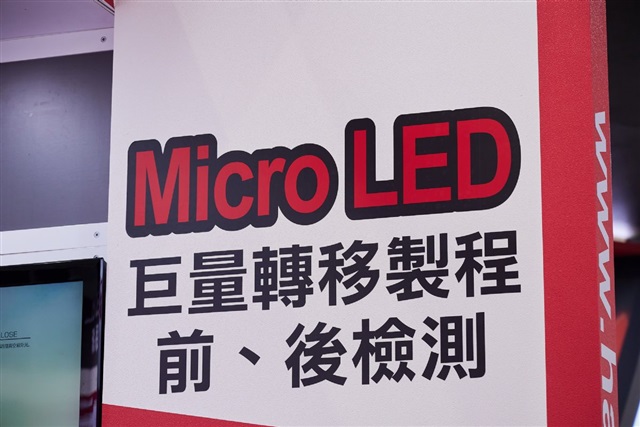
Yet cost remains the biggest roadblock to mass adoption. Manufacturing microLED at scale involves complex processes like mass transfer of tiny LEDs, precise alignment, yield management, and advanced packaging—all of which add expense. Until production yields improve and equipment costs come down, most deployments will target high-value segments where performance justifies the price.
This is where Taiwan’s strengths become pivotal. The island’s robust supply chain can co-develop new processes, refine tooling, and optimize materials in parallel, accelerating the cost curve downward. Foundries and panel makers can collaborate on wafer-level integration, while equipment vendors work on faster, more accurate transfer and inspection systems. Over time, those incremental gains compound, making large-scale production more attainable.
What to watch next:
– Yield improvements and breakthroughs in mass transfer and inspection
– Advances in wafer-level bonding, color conversion, and backplane technologies
– Early wins in premium and professional displays, followed by expansion into broader consumer categories
– Deeper partnerships across chipmakers, panel houses, equipment suppliers, and universities
The bottom line: despite today’s higher costs, microLED’s role in advanced display applications is set to grow steadily. With a uniquely integrated ecosystem and sustained policy backing, Taiwan is well positioned to lead the transition from cutting-edge prototypes to the next generation of commercial displays.


