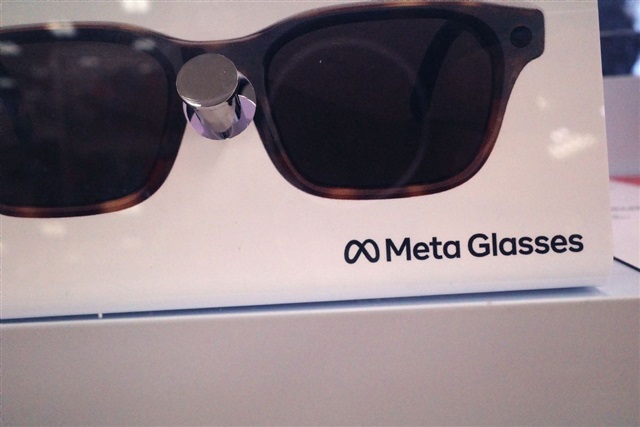
Meta’s next smart glasses could take a major step toward privacy by removing the camera
Meta’s next generation of smart glasses may arrive with a surprising change: no built-in camera. If the report is accurate, the company could be preparing a more privacy-focused wearable designed to feel less intrusive in public spaces while still offering smart features users actually want.
Smart glasses have always faced one major challenge beyond battery life, design, and price: trust. A camera on someone’s face can make people nearby uncomfortable, especially in cafés, offices, classrooms, gyms, and other shared spaces. Even when a device includes recording indicators or privacy controls, many people still worry about when they are being filmed and how that footage might be used.
By reportedly removing the camera, Meta could be signaling a shift in strategy. Instead of pushing smart glasses as a recording-first product, the company may be aiming for a device that is easier to wear in everyday life without raising the same privacy concerns.
A camera-free design could make smart glasses more socially acceptable
The biggest benefit of removing the camera is simple: people may feel more comfortable around the device. Smart glasses without a camera are less likely to be seen as a surveillance tool, which could help them gain wider acceptance in public and professional environments.
For years, wearable technology has struggled with the balance between convenience and privacy. Users want hands-free access to digital tools, but bystanders often do not want to feel like they are being recorded. A camera-free model could help solve that problem by making the device appear more like a pair of connected glasses rather than a wearable camera.
This could be especially important if Meta wants smart glasses to become a mainstream product rather than a niche gadget. For wearables to succeed, they need to blend into daily life. A design that reduces suspicion and social friction may be just as important as advanced features.
What features could remain without a camera?
Even without a camera, smart glasses can still offer useful functions. Meta could focus on features such as audio assistance, voice commands, notifications, calls, music playback, navigation prompts, and AI-powered help. These tools do not necessarily require a camera to deliver value.
A camera-free pair of smart glasses could act more like a lightweight personal assistant. Users might be able to ask questions, receive reminders, listen to messages, or control connected apps without pulling out a phone. This kind of experience could appeal to people who want convenience without wearing a device that attracts privacy concerns.
The design may also become simpler and potentially lighter. Removing camera hardware could help improve comfort, reduce power demands, or allow more room for other components. While nothing is confirmed, this kind of change could make the glasses more practical for long daily use.
Privacy may become a key selling point
If Meta does release smart glasses without a camera, privacy could become one of the product’s main selling points. Instead of asking consumers to accept a face-worn camera, the company could present the glasses as a more respectful and approachable wearable.
That would be a smart move in a market where public perception matters. Many people are interested in wearable AI and hands-free technology, but they do not want devices that feel invasive. A camera-free model could appeal to buyers who like the idea of smart glasses but have avoided them because of privacy issues.
It could also help Meta position the product for workplaces, schools, travel, and everyday use. Environments that might restrict camera-equipped wearables may be more open to glasses that focus on audio, notifications, and digital assistance instead.
A different path for smart glasses
The reported decision to drop the camera suggests that the smart glasses market may be evolving. Instead of adding more sensors to every device, companies may begin offering different models for different needs. Some users may want camera-equipped glasses for capturing photos and videos, while others may prefer a simpler device that keeps privacy concerns to a minimum.
That approach could make the category more flexible. Not every pair of smart glasses needs to do everything. A privacy-first model could serve users who want smart features without turning their eyewear into a recording device.
Meta has been investing heavily in wearable technology and AI, so a camera-free design would not necessarily mean a step backward. It could be a more focused product designed to address one of the biggest barriers facing smart glasses today.
Why this matters
The future of smart glasses will depend on more than technical performance. Comfort, style, battery life, software, and price all matter, but public trust may be the deciding factor. If people feel uneasy around a device, adoption becomes much harder.
By reportedly removing the camera from its next smart glasses, Meta may be trying to build a wearable that feels less controversial and more suitable for everyday life. That could help smart glasses move closer to becoming a normal consumer product rather than a device that sparks privacy debates wherever it appears.
For now, the change remains unconfirmed. But if Meta does launch camera-free smart glasses, it could mark an important shift in wearable tech: a move toward smarter devices that respect personal space while still delivering useful digital features.