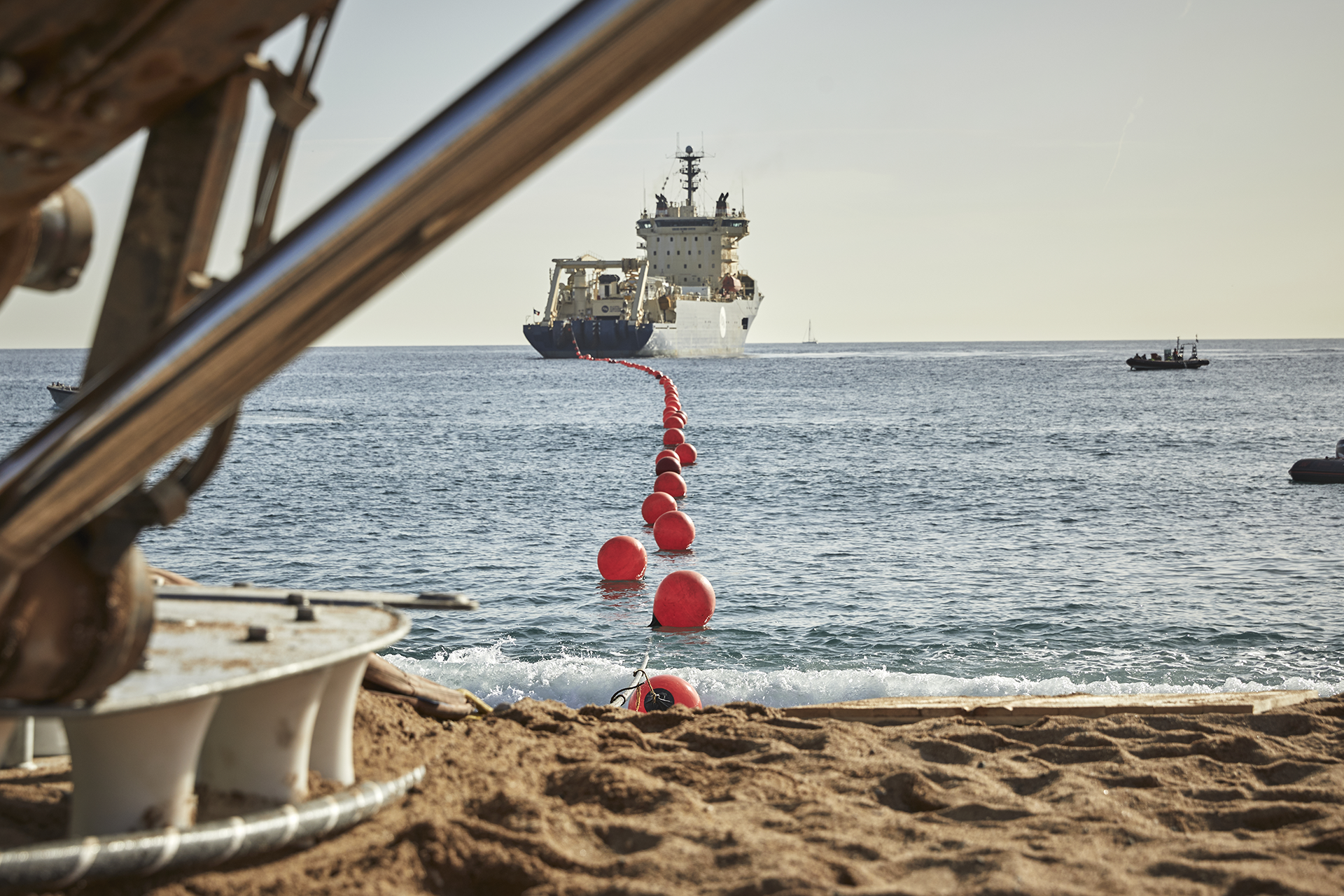
Meta, the tech giant behind Facebook, Instagram, and WhatsApp, has unveiled plans for an ambitious project known as Project Waterworth. This initiative is set to launch the world’s largest subsea cable, extending an impressive 50,000 kilometers. With the completion aimed by the end of the decade, this colossal infrastructure endeavor will surpass 2Africa, currently the largest submarine cable, by a notable margin.
This groundbreaking cable is designed to stretch across five continents, promising enhanced connectivity for critical regions such as the U.S., India, Brazil, and South Africa, among others. Meta envisions this project as a major enhancement to the global digital infrastructure, declaring it a vital development for bolstering the reliability and capacity of digital networks. The company aims to create three new oceanic corridors that will provide the high-speed, robust connectivity necessary to fuel global AI advancements.
Utilizing cutting-edge technology, the cable will be equipped with 24 fiber pairs, a significant upgrade from the usual 8 to 16 found in most modern systems. This innovation is set to significantly boost data transmission capacity. Presently, Meta operates over 20 subsea cables, reinforcing its commitment to global connectivity.
Strategically, the cable will be routed through deep waters, reaching depths of up to 7,000 meters. Special techniques will be employed in high-risk fault zones to protect the infrastructure from potential threats like ship anchors.
Although Meta has not disclosed the total investment figures, it is anticipated to be in the multi-billion range. For 2025, the company projects capital expenditures to be between $60 to $65 billion, reflecting increased investments aimed at supporting AI initiatives and core business operations. This strategic undertaking underscores Meta’s dedication to not only enhancing user connectivity but also pioneering advancements in technology and innovation.