Meta Unveils Muse, a Personal AI Agent Built to Handle Everyday Tasks
Meta is making one of its biggest moves yet in consumer artificial intelligence with the launch of Muse, a new personal AI agent designed to help people manage daily tasks, organize projects, and take action across the apps and services they already use.
The announcement comes less than two weeks after Meta agreed to an $18 billion multistate settlement tied to claims about social media’s impact on consumers. That timing puts a spotlight on a major question surrounding Muse: will people trust Meta with even more of their personal data?
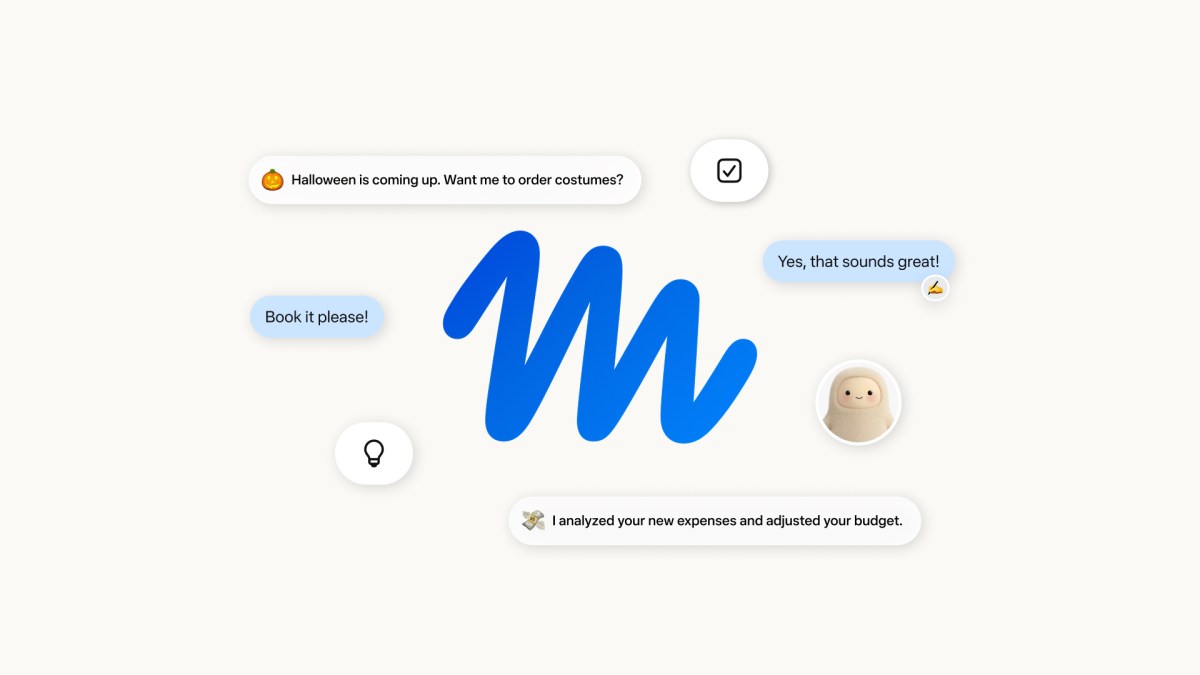
Unlike traditional AI chatbots that mainly answer questions, brainstorm ideas, or act as digital companions, Muse is built to do things on a user’s behalf. Meta is positioning the tool as part of the next phase of AI, where assistants move beyond conversation and begin completing real-world tasks.
Muse can connect to apps and services that are part of a person’s daily routine, including email, calendars, payment tools, shopping platforms, health and fitness apps, smart home services, dining apps, music services, event platforms, and more. Once connected, the AI agent can help send emails, book travel, reduce bills, complete forms, build plans, turn recipe videos into grocery lists, send party invitations, and even make purchases.
For payments, Muse will use Link by Stripe at launch, with additional checkout integrations expected later. Meta says purchase protections are included, which may help reduce concerns about allowing an AI tool to complete transactions.
To make the experience feel more controlled, users can choose which apps and services they want to connect one at a time. Meta says this opt-in approach is meant to make permissions clearer and give users more control over what Muse can access.
The AI agent runs on Meta’s Muse Spark model and will launch with built-in connectors for several services. More integrations are expected over time. If a service is not already supported but offers a public API, Muse can create a connection using credentials supplied by the user. If no API exists, Muse may access the service through a browser.
Muse will initially be available on the web, through iOS and Android apps, and inside WhatsApp chats. Meta also plans to bring the assistant to its AI glasses in the future, expanding the ways users can interact with it throughout the day.
The service will be free to start, but Meta is also introducing paid plans for heavier users. Because subscriptions may be needed as usage increases, users must add a payment card when getting started.
At launch, two paid tiers will be available. The Power plan costs $20 per month, while the Maximum plan costs $100 per month. Both plans offer more usage for people who want to hand off a larger number of everyday tasks. Meta says it expects most users to remain on the free tier.
To help users track their limits, Muse will include a usage meter showing how much free usage remains. When the free allowance runs out, the app will notify users and present subscription options.
Like other AI agents, Muse can continue working even after a user leaves the app. Over time, it is also expected to learn from conversations and user preferences so it can make more personalized suggestions, including recommendations that are not directly requested.
Meta’s larger goal is clear: make Muse feel less like a chatbot and more like a personal assistant that understands what matters to each user. The company will allow people to customize the agent by choosing a name, selecting an avatar, adjusting its appearance, and setting preferences for how it communicates.
That personal touch could make Muse more appealing, but it also raises the stakes. A useful AI assistant needs access to sensitive parts of a person’s life, from messages and schedules to payment information and private accounts. For many users, that level of access may be difficult to accept.
Meta says Muse is built with privacy and security protections in mind. According to the company, the agent runs inside a dedicated secure computer with its own browser, called Muse Secure VM. Meta also says a separate Sentinel agent operates within the same virtual environment but remains isolated from Muse at the system level.
The company claims this design prevents Muse from seeing passwords or payment methods. Meta also says conversations and personal data from Muse are not shared with its advertising systems.
Even so, these promises will likely face close scrutiny. Meta has a long history of privacy controversies that could make some consumers hesitant to adopt a deeply integrated personal AI assistant.
In 2011, the company settled with the FTC over claims that it misled users by making private information public without approval. In 2019, Facebook agreed to a record $5 billion settlement with the FTC over privacy-related violations. In 2023, the FTC accused Meta of violating a privacy order connected to that earlier settlement.
The company has also faced technical failures in the past, including a 2019 incident in which some user passwords were found stored in readable formats. The Cambridge Analytica scandal, where data from millions of Facebook users was collected without proper consent, remains one of the most widely remembered privacy controversies in social media history.
Meta has also faced repeated pressure from lawmakers over how its platforms affect children and teens. Lawsuits related to social media harms continue to follow the company, including cases brought by states, school districts, and individuals.
All of that history makes the launch of Muse especially significant. Meta is not simply asking users to try another app. It is asking them to let an AI agent connect to services that contain some of their most personal information.
The potential convenience is easy to understand. An AI assistant that can organize travel, manage shopping, send messages, build grocery lists, compare bills, and handle routine forms could save people time and reduce digital clutter. If Muse works well, it could become a powerful tool for everyday productivity.
But the central challenge is trust. Consumers will need to believe that Meta can protect their data, respect their privacy, and keep the AI agent from overstepping.
Muse represents a major step into the era of agentic AI, where digital assistants are expected to take action rather than simply provide answers. Whether it becomes a breakthrough product or another privacy battleground will depend on how well Meta delivers on its promises, and whether users are ready to let the company’s AI deeper into their daily lives.


