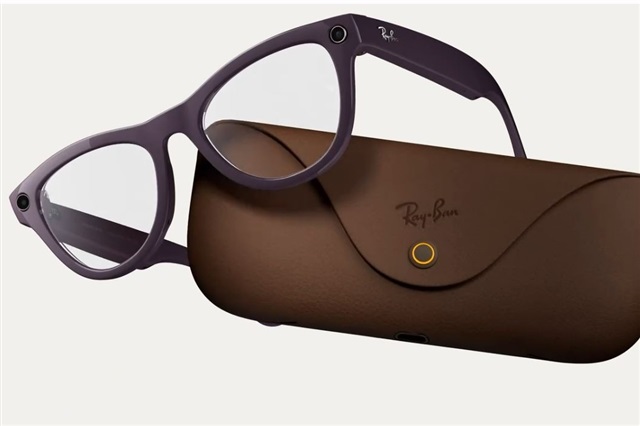
Meta unveils first consumer-ready smart glasses with a built-in display, signaling a major leap for AI wearables
On September 17, Meta Platforms introduced its first consumer-ready smart glasses featuring a built-in display, a move that underscores the company’s push to bring AI-powered wearables into everyday life. This unveiling marks a pivotal step toward hands-free, glanceable computing that blends digital information seamlessly into the real world.
Why this matters
Smart glasses have long promised a future where information is accessible without pulling out a phone. By pairing a built-in display with AI capabilities, Meta’s new glasses aim to make that vision practical for consumers rather than just tech enthusiasts. The emphasis on a consumer-ready product suggests a focus on comfort, style, and usability—key factors that have historically held back wider adoption of smart eyewear.
What the experience could look like
A built-in display opens the door to quick, contextual information delivered at a glance. Combined with AI, that can mean intelligent, timely assistance without breaking your flow—think subtle prompts, reminders, and real-time insights tailored to what you’re doing. While specifics were not detailed, AI-integrated glasses typically center on natural voice control, discreet visual cues, and an experience that feels more like a companion than a gadget.
Potential everyday benefits
– Streamlined productivity: glanceable updates, calendar nudges, and lightweight task guidance without screen-hopping.
– On-the-go convenience: information when you need it, where you need it, helping reduce phone dependence.
– Accessibility support: AI-driven assistance can make everyday interactions more intuitive and inclusive.
– Fitness and lifestyle: simple coaching cues or activity prompts that keep you engaged without distractions.
Designed for real life
Calling this product consumer-ready signals attention to design, comfort, and battery life—essentials for something you actually want to wear all day. It also hints at tighter integration with the services people already use, minimizing setup friction and encouraging routine use. The goal is to deliver utility in moments, not minutes.
The bigger picture for AI wearables
This launch positions smart glasses as a flagship for ambient computing—technology that fades into the background while quietly amplifying what you can do. As AI becomes more context-aware, glasses with built-in displays can serve as a subtle bridge between physical and digital spaces, reducing the need for constant phone interaction and making computing feel more natural.
What to watch next
Key details such as app integrations, developer support, and personalization options will shape how useful these glasses become over time. Privacy and data controls will also be top of mind, as thoughtful safeguards are essential for consumer trust in camera-adjacent or AI-driven wearables. Availability, pricing, and regional rollouts will determine how quickly this technology reaches mainstream users.
Bottom line
With its first consumer-ready smart glasses featuring a built-in display, Meta is signaling that AI wearables are no longer a far-off concept—they’re arriving for everyday use. If the execution matches the vision, these glasses could redefine how we access information on the go, ushering in a more intuitive, hands-free era of personal technology.


