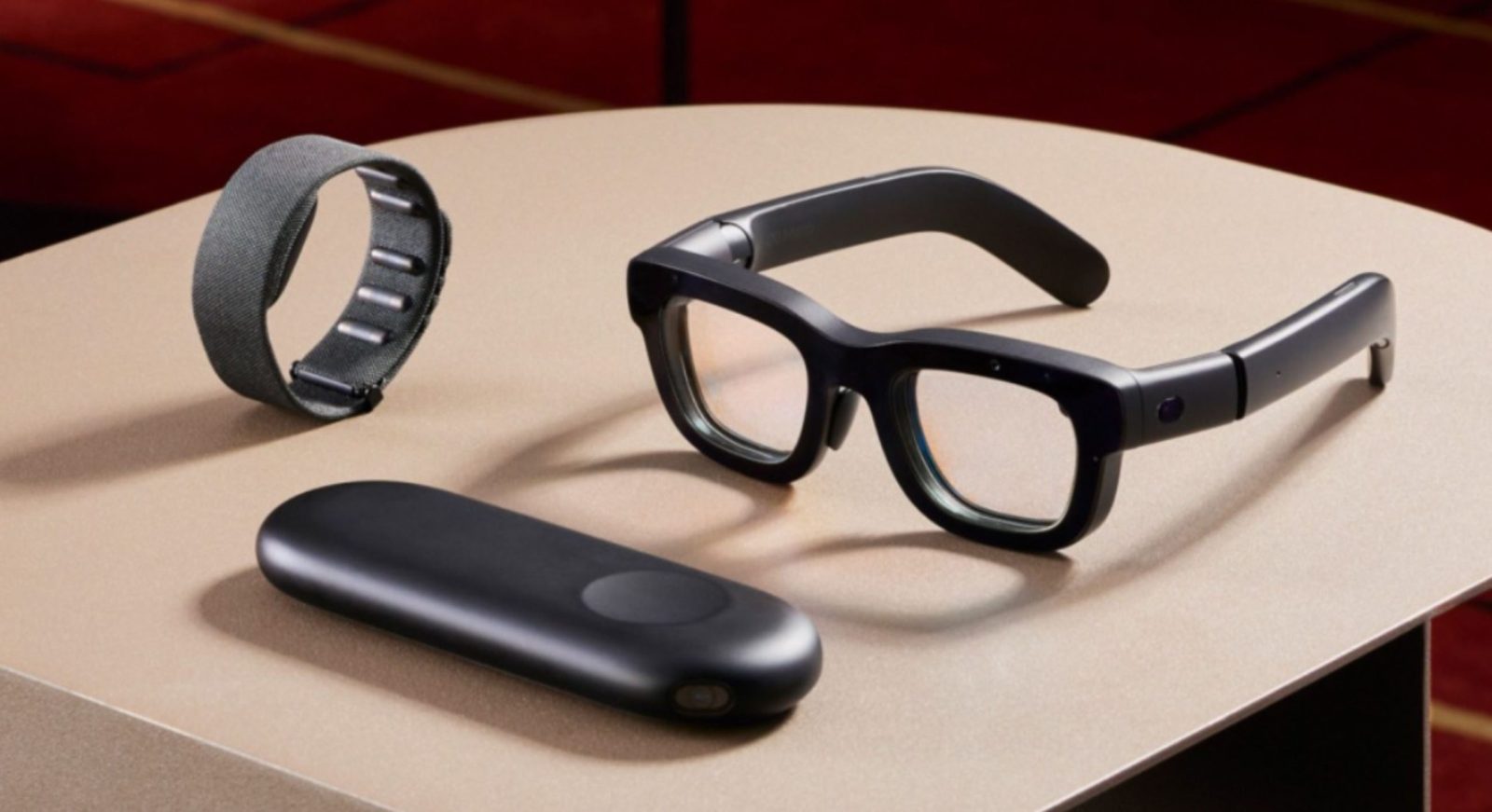
Meta is steadily turning everyday eyewear into useful tech, and it’s doing it step by step. Instead of waiting for fully fledged AR glasses expected around 2027, the company is accelerating the category with a new twist: a pair of smart glasses featuring two displays, one on each side, according to a recent report.
This dual-display concept isn’t full augmented reality, but it pushes smart eyewear closer to that vision. Think glanceable information mirrored to both sides of your view—messages, navigation directions, calendar alerts, quick updates—without pulling out your phone. It sounds less like a gimmick and more like the kind of utility you could use all day.
Meta’s strategy has been a clear ladder toward everyday AR. In 2021, it launched first-generation smart glasses in partnership with Ray-Ban, focused on hands-free photos, video capture, and calls. A second-generation model in 2023 sharpened the experience with better cameras, improved audio, and a more capable voice assistant. Then came the 2025 Ray-Ban Display variant, introducing a small built-in screen for notifications and quick peeks at information. The next logical step is a dual-display setup that makes on-face information feel more natural and immersive without crossing into full AR territory.
Building truly capable AR glasses is notoriously complex—battery life, weight, optics, and everyday comfort are all hard problems. By rolling out intermediate features like displays in smart glasses, Meta can acclimate users to the idea of eyewear as an information surface while refining the tech and software that will eventually power its AR ambitions.
Competition in wearable displays is heating up as well. Apple has entered the space with its premium headset and Samsung is developing its own approach, signaling a broader shift toward face-worn computing. Apple’s cautious pace may actually benefit Meta, which is aggressively iterating in the more casual, glasses-first segment where everyday wearability matters most.
No, dual-display smart glasses won’t deliver the sci-fi overlay people imagine when they hear “augmented reality.” But they meaningfully narrow the gap, offering a simple, phone-light way to stay connected. If Meta nails comfort, battery life, and glanceable software, these glasses could be the moment when smart eyewear stops feeling experimental and starts becoming a habit.


