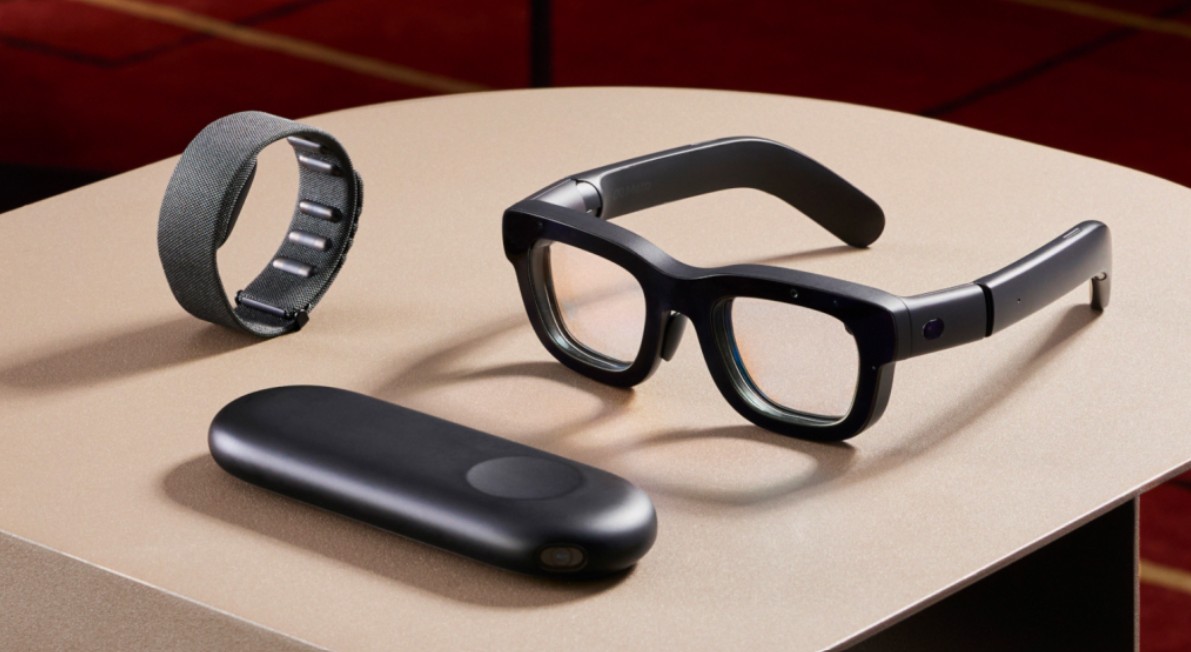
Meta has stirred excitement in the tech community with the unveiling of their Orion augmented reality (AR) glasses prototype in September. The initial buzz around these glasses is promising, as they show immense potential to revolutionize the AR industry. Now, Meta is eager to transform this prototype into a mainstream product, aiming to emulate the success Apple had with its AirPods. In fact, Meta’s leadership envisions the Orion glasses becoming the “AirPods” of AR devices.
To grasp the significance of this, think about how AirPods not only became the default wireless earbuds for many but also expanded into health tech, introducing features like hearing aid functionality. This broadening of use cases is something Meta aspires to achieve with Orion as well. Unlike Apple’s Vision Pro headset, which has a hefty price tag and is not practical for everyday use due to its size, Meta aims to offer a more accessible AR experience.
From a design standpoint, the Orion glasses are still in the early stages, resembling a prototype rather than a polished product. However, the technological achievement of packing sophisticated AR capabilities into glasses-like frames is commendable and a step forward compared to other prototypes from companies like Xiaomi or Oppo.
The gap between Meta’s current offering and what Apple typically releases in terms of consumer-ready products is significant. This highlights the innovation but also the challenges ahead, especially considering the steep manufacturing costs associated with such advanced technology.
What makes Meta’s approach particularly appealing is their transparency and openness about the development of the Orion glasses, which contrasts sharply with Apple’s secretive nature about its upcoming innovations. This openness may encourage early adopters to try Orion glasses without waiting indefinitely for a comparable Apple product.
Meta’s vision for Orion is not about creating an alternative reality but rather offering a seamless and easily wearable tech experience—similar to the convenience of putting on AirPods. Joshua To from Meta suggests that Orion should be like “a quieter computer you can easily don and doff.”
The future of AR technology holds endless possibilities, and whether Meta’s Orion will outshine any potential offering from Apple remains to be seen. As the AR industry evolves, speculations about whether Apple can top Meta’s offering with their version of smart glasses will continue. What do you think? Could Apple’s potential smart glasses outdo Meta’s Orion? Share your thoughts!


