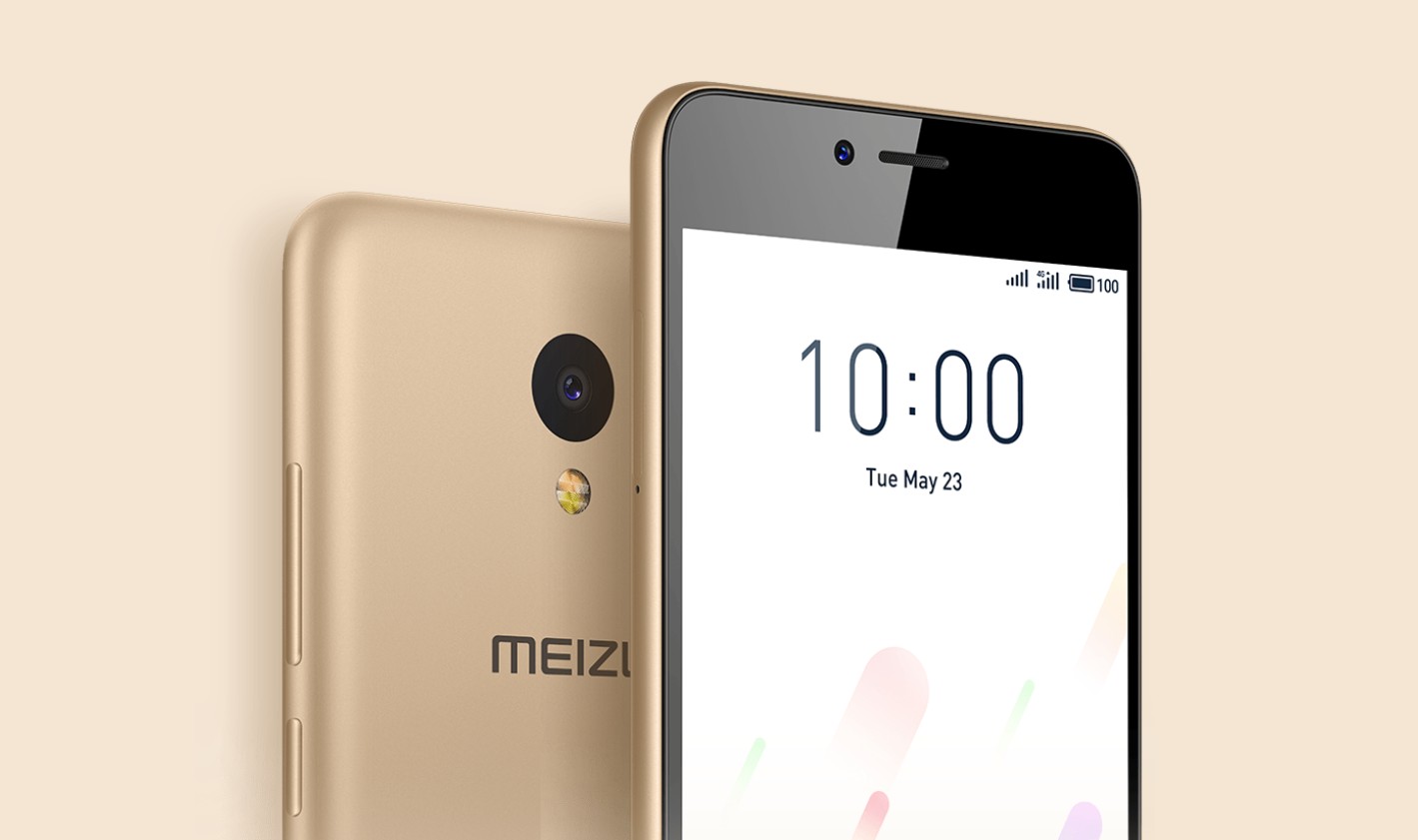
Meizu, once a prominent name among China’s smartphone manufacturers and a brand that sold its devices even in European markets, has officially ended its smartphone production after seventeen years. Known for releasing numerous models, there were a few standouts that left a mark on the industry and are worthy of remembrance.
One such innovative model was the Meizu Pro 7 Plus, Meizu’s flagship device in 2017. Notably, it featured a unique secondary AMOLED display on the back, a cutting-edge idea that was later mirrored by Xiaomi in their Mi 11 Ultra. The Pro 7 Plus boasted a robust QHD Super AMOLED display, a deca-core MediaTek Helio X30 processor, and a hefty 3,500 mAh battery with swift 24 W charging capabilities. What made it truly unique was the 2-inch secondary display nestled under the dual-camera setup on the rear, which could display various information and even assist in taking high-quality selfies using the rear cameras. Its compact sibling, the Meizu Pro 7, also featured the second display but subsequent Meizu devices would move away from this innovation.
Another noteworthy phone was the Meizu Zero, revealed in January 2019. The Zero made headlines as the ‘world’s first holeless phone,’ with an eye-catching design that eliminated buttons and ports altogether. This was achieved by incorporating capacitive touch buttons, utilizing an under-display piezoelectric transducer for sound, relying on wireless charging, and embracing eSIM technology. However, the Zero still retained microphone holes at its base. Despite its potential, the Meizu Zero’s crowdfunding efforts on Indiegogo fell short, and it was never produced en masse. Subsequently, the company claimed the campaign was merely a marketing tactic and there was no real plan to release the phone to the public.
Additionally, Meizu ventured into alternative mobile operating systems with the Meizu MX4 Ubuntu Edition. Launched in 2015 in conjunction with Canonical, the MX4 Ubuntu Edition represented a rare foray into the smartphone market for the Ubuntu OS. Boasting identical hardware to its Android counterpart, the device was one of the limited few that offered the Linux-based platform and required an invitation for purchase.
As Meizu turns away from the smartphone industry to focus on artificial intelligence, it’s clear the company has left behind a legacy of daring design choices and ambitious technological ventures. Even without a strong international presence in its later years, Meizu’s contributions to mobile innovation remain notable milestones in smartphone history.