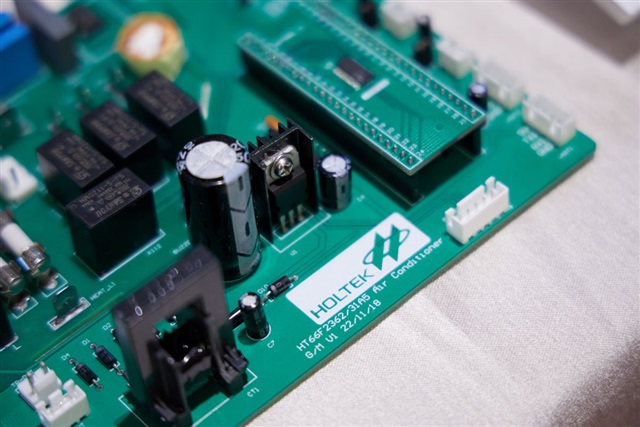
Microcontroller Lead Times Are Getting Longer as Chip Supply Pressure Builds
Microcontrollers, often known as MCUs, are once again facing longer delivery schedules as pressure builds across the semiconductor supply chain. These compact chips are essential components in a wide range of products, including factory automation systems, medical equipment, smart home devices, automotive electronics, appliances, and everyday consumer gadgets.
The latest supply concerns are being driven by two key bottlenecks: wafer fabrication and semiconductor packaging. As production timelines stretch in both areas, manufacturers and component buyers are seeing extended lead times for certain MCU orders.
MCUs are small but critical chips that control specific functions inside electronic devices. Because they are used in such a broad range of industries, even modest delays can create planning challenges for manufacturers. A delayed microcontroller can slow down the production of an entire device, especially when alternative parts are not easy to qualify or replace.
Industry suppliers indicate that the situation remains under control, but the trend is being watched closely. Unlike the severe chip shortages seen in previous years, the current environment appears to be more about gradual tightening rather than a sudden supply shock. Still, longer lead times can create complications for companies that rely on just-in-time inventory models or short production cycles.
Wafer fabrication remains one of the main pressure points. MCUs are produced on semiconductor wafers, and available capacity must be shared across many chip categories. When demand rises or production slots become limited, delivery schedules can quickly move further out. Even mature chipmaking processes, often used for microcontrollers, can become constrained when demand from industrial, automotive, and electronics customers increases at the same time.
Packaging is another important factor. After chips are fabricated, they must be assembled, tested, and packaged before they can be shipped to customers. If packaging facilities become crowded, finished chip deliveries can slow down even when wafer production is available. This makes the back-end part of the semiconductor supply chain just as important as the front-end manufacturing process.
The industries most exposed to MCU delays include industrial automation, medical technology, consumer electronics, and automotive systems. In industrial equipment, microcontrollers help manage sensors, motors, power systems, and communication functions. In medical devices, they support monitoring, control, and safety features. In consumer electronics, they power everything from remote controls and wearables to household appliances and smart devices.
For manufacturers, the key challenge is planning. Longer MCU lead times can affect production schedules, product launches, and inventory strategies. Companies may need to place orders earlier, improve demand forecasting, and work more closely with suppliers to secure critical parts. Some may also consider qualifying multiple components where possible, although switching MCUs is often difficult because of software, design, and certification requirements.
Despite the extended delivery times, the market is not showing signs of widespread disruption at this stage. Suppliers appear to be holding a steady approach, focusing on allocation discipline and customer planning rather than triggering panic buying. That is important because over-ordering can make supply chain conditions worse, creating artificial shortages and excess inventory later.
The current MCU supply trend serves as a reminder that semiconductor supply chains remain sensitive, even after the major chip shortages of recent years eased. Demand for connected devices, automation, electric vehicles, medical electronics, and smart infrastructure continues to grow, keeping pressure on certain chip categories.
For buyers, the best strategy is early planning and close communication with suppliers. Companies that depend on microcontrollers should review their production forecasts, identify high-risk components, and avoid waiting until the last minute to place orders. Maintaining realistic inventory levels and building flexibility into product designs can also help reduce risk.
As MCU lead times continue to stretch, the semiconductor industry is trying to balance rising demand with limited production and packaging capacity. While the situation is not yet a crisis, it is a clear signal that businesses using microcontrollers should stay alert, plan ahead, and prepare for a more cautious supply environment in the months ahead.