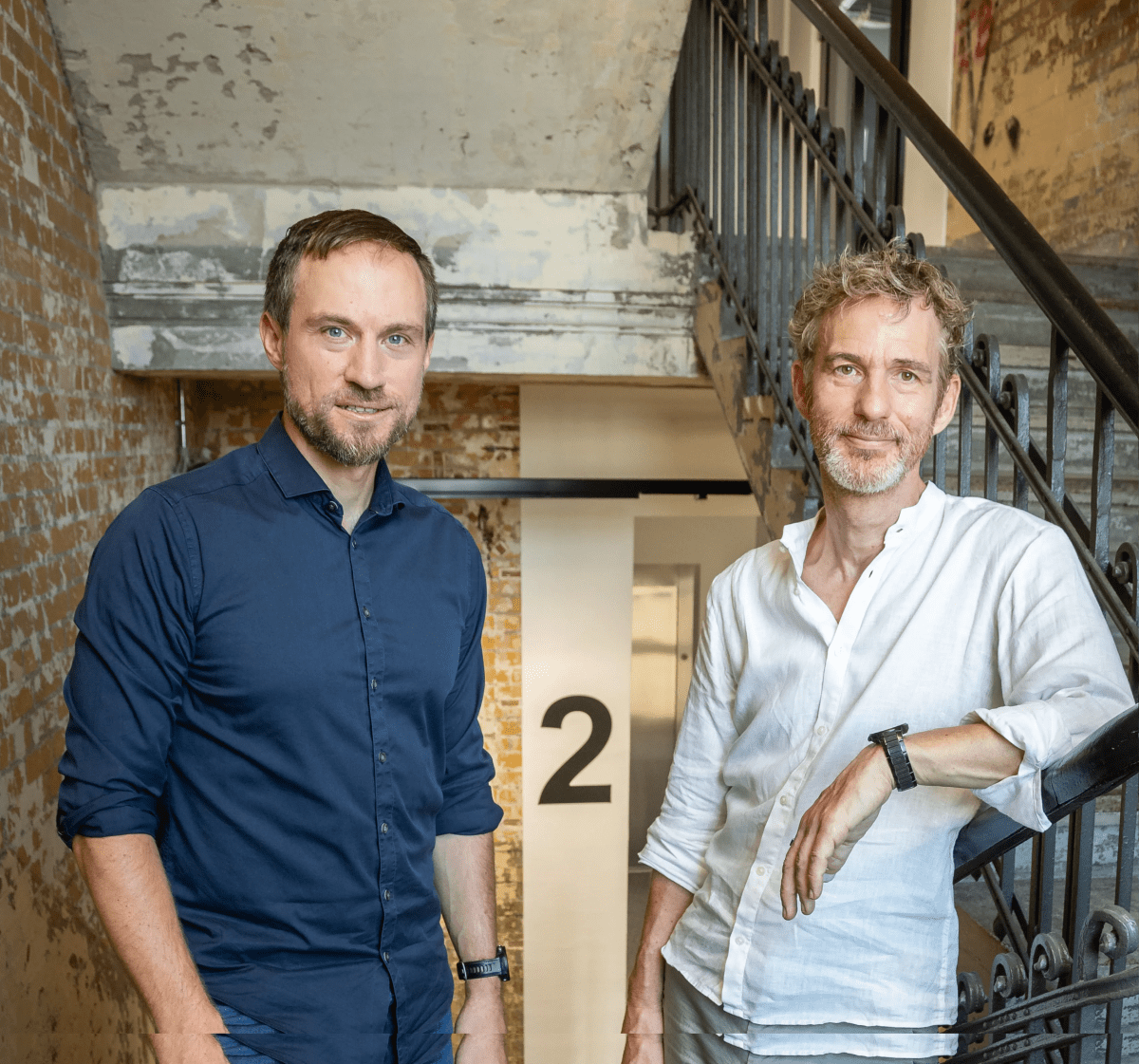
Arne Schepker, the dynamic CEO of Babbel, a prominent language learning platform based in Berlin, is stepping down from his role. To ensure a seamless transition, co-founder and former CEO Markus Witte is stepping in to guide Babbel through this new chapter, one expected to heavily incorporate AI. While Witte won’t reclaim the CEO title immediately, he’ll serve as executive chairman and managing director.
Schepker’s decision comes after five years as the sole CEO and a prior co-CEO stint with Witte. He explained that he decided against renewing his contract because he couldn’t muster more than 100% commitment to the role, which he believes demands nothing less than 180% for the benefit of the team, company, and stakeholders.
Reflecting on his tenure, Schepker notes that since joining Babbel as CMO in 2015, he’s begun to see repetitive patterns and finds himself less excited by the regular tasks like preparing annual budgets. The timing of his departure is ideal, as Babbel is already poised to enter a new phase. Looking ahead, he hopes to spend more time traveling with his family over the next year before contemplating his professional future.
During Schepker’s leadership, Babbel experienced impressive growth; revenue multiplied sixfold to approximately $300 million, supported by a robust team of nearly 1,000 employees. Notably, the company made a significant societal impact by offering free language learning services to students during the pandemic and to Ukrainian refugees, an achievement Schepker holds in high regard.
As Babbel looks towards the future, Witte envisions a significant role for AI in enhancing language learning experiences. While Babbel has utilized machine learning technology, it has traditionally focused on leveraging teachers and experts to design its courses. However, the rapid evolution of AI presents new opportunities.
Witte asserts that the educational landscape, especially with regard to language learning, is on the brink of transformation due to advances in AI-powered large language models. These models, in tandem with Babbel’s expertise, could revolutionize how users engage with language learning. Witte hints at a more agile approach within the company, emphasizing the advantages of having a founder like himself, who is invested and able to take calculated risks, leading Babbel in this evolutionary direction.
Schepker reiterates Babbel’s core mission: addressing the human challenge of language learning. He emphasizes the potential for a blended approach that harnesses Babbel’s extensive data and knowledge with cutting-edge AI technology to create highly personalized and effective learning journeys.
In addition to the AI-driven evolution, Witte aims to cultivate more joyful experiences for both Babbel’s employees and users. These “moments of delight” are integral to his current vision, underscoring a holistic approach to joy and satisfaction in all aspects of the company.