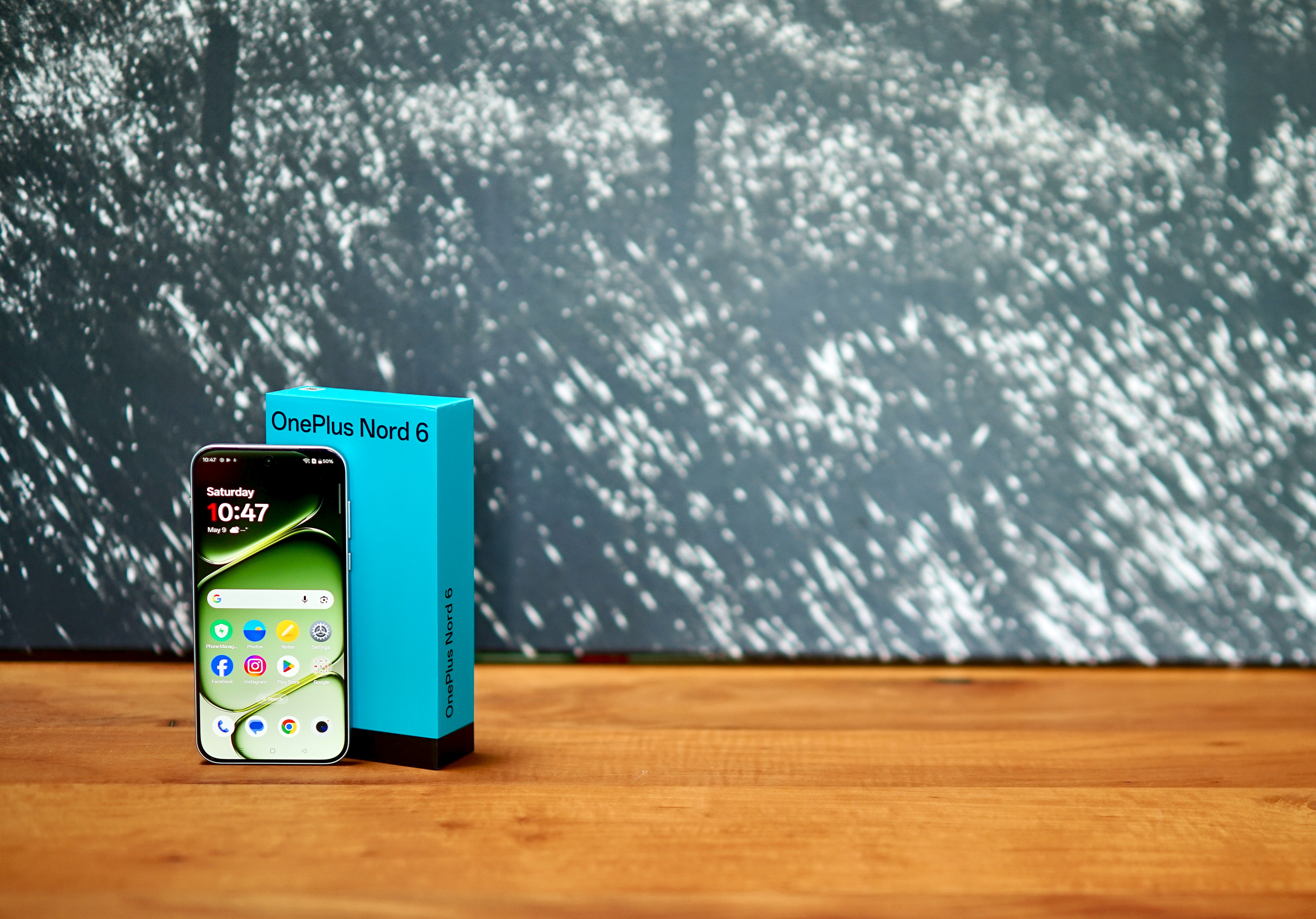
OnePlus Nord 6 Has One Big USB-C Limitation Buyers Should Know About
The OnePlus Nord 6 may look like a strong mid-range smartphone on paper, especially for users who care about battery life, fast charging, and solid everyday performance. However, there is one important weakness that could be a deal-breaker for some buyers: its USB-C port is limited to USB 2.0 and does not support video output.
That may not sound like a major issue at first, but it can make a big difference depending on how you use your phone.
The main problem is not just transfer speed. USB 2.0 is still good enough for basic tasks such as charging, moving photos, or connecting to a computer for simple file transfers. But compared with USB 3.0 or USB 3.1, it is much slower when handling large files, high-resolution videos, or frequent backups.
For users who regularly move big media files between their phone and a laptop, this can quickly become frustrating. A faster USB standard would make the Nord 6 feel more practical, especially for creators, students, and professionals who rely on quick file transfers.
The bigger limitation is the lack of wired display output through USB-C. This means the OnePlus Nord 6 cannot be directly connected to an external monitor, TV, projector, or VR headset using a USB-C cable for screen mirroring or desktop-style use.
For many casual users, this may not matter. But for anyone who wants to use their smartphone as a more flexible productivity or entertainment device, the restriction is noticeable.
For example, someone who wants to give a presentation from their phone cannot simply plug the Nord 6 into a monitor or projector via USB-C. Wireless screen sharing may still be possible through supported devices, but that depends on the display, the network, and compatibility. It is not as reliable or convenient as a simple cable connection.
The same applies to users who enjoy mobile gaming on a larger screen. A wired video connection usually offers better stability and lower latency than wireless casting. Since the Nord 6 lacks USB-C video output, gamers looking to connect the phone to an external display or certain VR accessories may find it less suitable.
This also affects people who want to use their phone as a portable media hub. With video output, a smartphone can easily become a compact entertainment device for streaming, gaming, or productivity on a bigger screen. Without it, the Nord 6 feels less versatile than it could be.
To be fair, USB 3.0 is not always expected in this price segment. Many mid-range phones still use USB 2.0 to reduce costs. However, there are competing models that show faster USB support is possible in a similar category. That makes the decision more noticeable, especially for buyers who want a phone that can do more than basic mobile tasks.
It appears OnePlus made a clear compromise with the Nord 6. Instead of offering a more advanced USB-C port, the company seems to have focused on other strengths, such as a large battery, fast charging, and strong general performance. Another possibility is that more advanced connectivity features are being reserved for higher-end models.
For most users, the OnePlus Nord 6 will still be a capable smartphone. If your priorities are long battery life, smooth daily use, and quick charging, this USB limitation may not bother you much. But if you need wired monitor support, fast file transfers, or better compatibility with external displays and VR accessories, the USB 2.0 port is a clear drawback.
In the end, the OnePlus Nord 6 offers plenty of appeal, but its USB-C port holds it back from being a truly versatile mid-range phone. Buyers who plan to use their smartphone for productivity, presentations, gaming on larger screens, or creative workflows should consider this limitation carefully before making a decision.