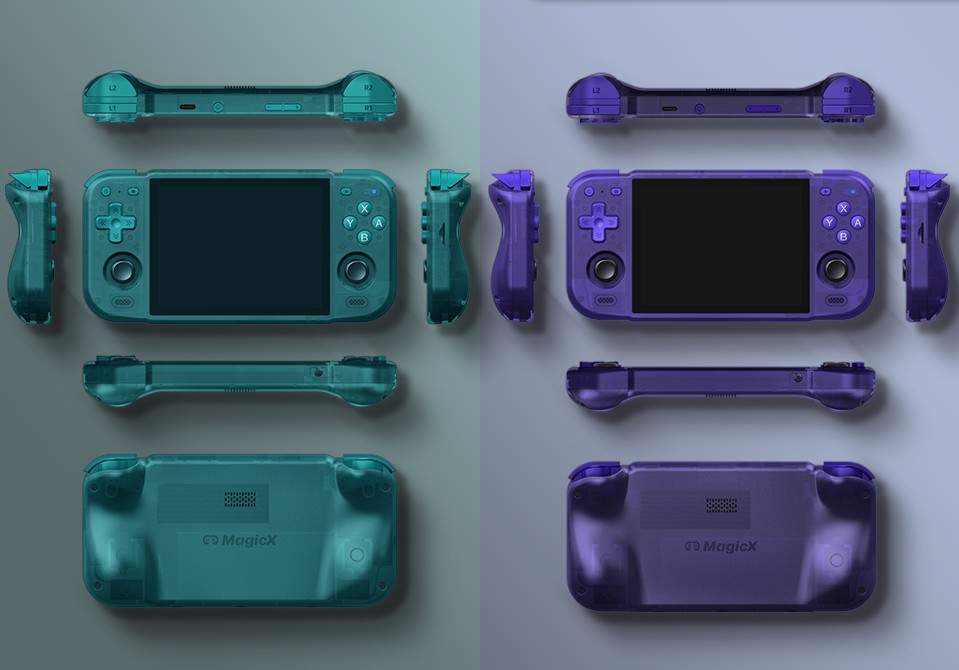
MagicX is still keeping gamers waiting for its upcoming Two Dream handheld consoles, and now we know why. More than two months after the company introduced the MagicX Two Dream Light and MagicX Two Dream Pro, neither device has received an official release date. MagicX says the holdup isn’t about performance tuning or a surprise redesign—it comes down to one component getting unusually expensive: RAM.
In a message shared with its community on Discord, MagicX explained that current RAM pricing is high enough to push the final retail price of the Two Dream handhelds higher than it wants. Rather than launching at a noticeably inflated cost, the company says it’s choosing to wait until RAM prices fall back to a more reasonable level before moving forward with release plans. That decision may sound consumer-friendly, but it also means the launch window is now uncertain, since there’s no clear timeline for when memory prices will drop.
And the wait could be longer than fans hope. Across the handheld gaming market, some brands have already raised prices, while others have openly discussed plans to increase pricing on future devices. That broader trend suggests component costs aren’t easing quickly, which may keep the MagicX Two Dream Light and Two Dream Pro stuck in limbo for a while.
Even with the delay, MagicX is continuing to build interest. The company has shared a new video showing a Two Dream Pro prototype running emulated games, including Super Mario Sunshine from the Nintendo GameCube era. It’s a small but telling preview that the hardware is far enough along to demonstrate real gameplay performance, even if the launch timing remains up in the air.
For anyone tracking specs before buying a new retro handheld or emulation-focused device, here’s what MagicX has already confirmed. The MagicX Two Dream Pro is expected to feature a 4.5-inch display with a 1440 × 1080 resolution, powered by a MediaTek Dimensity 7300 processor. It’s planned with 4GB of RAM and 64GB of storage. The more affordable MagicX Two Dream Light will use the same 4.5-inch 1440 × 1080 screen but switch to a less powerful Helio G99 chipset, paired with 3GB of RAM and 32GB of storage.
Both handhelds are designed with features players typically look for in a modern portable gaming device: Hall Effect joysticks and Hall Effect triggers for improved durability and reduced stick drift risk, plus a gyroscope, built-in microphone, and rumble support. MagicX also says each model will come in four color options, giving buyers a bit of choice beyond the usual black-only launch lineup.
For now, the biggest question is simple: when will RAM pricing normalize enough for MagicX to finalize production and announce a release date? Until that happens, the Two Dream Light and Two Dream Pro remain promising handhelds with clear specs and visible progress—but no guaranteed arrival time.