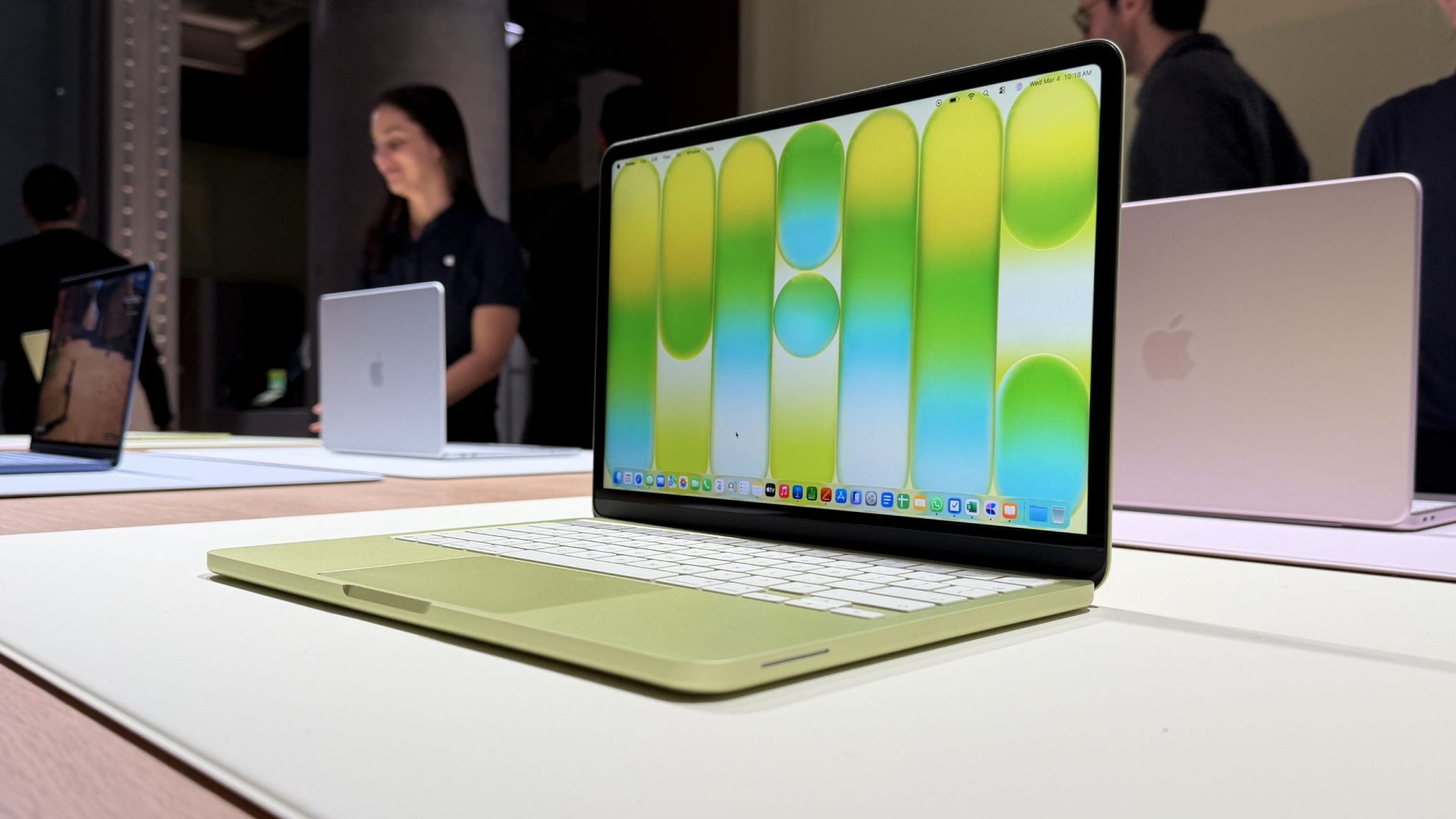
Apple’s newly launched MacBook Neo has quickly become one of the most debated products in the company’s recent lineup. Supporters see it as a smart, aggressive move into a massive budget-laptop space—an attempt to win a slice of a market opportunity estimated around $30 billion. Critics, however, argue the MacBook Neo isn’t really a “true” MacBook at all, describing it as closer to a souped-up tablet experience, similar in spirit to the M4 iPad Air with a keyboard.
As with most heated tech debates, the truth is likely somewhere between those two positions. The MacBook Neo and the M4 iPad Air can overlap in what they offer, but they’re built with different priorities—and those differences become clearer when you look at the practical details people care about most.
For many buyers, the display is the first deciding factor, because it shapes everything from streaming to schoolwork to photo editing. Both devices aim to deliver a modern Apple-grade viewing experience, but the more important question isn’t simply “which screen is better?” It’s “which screen fits how you actually use your device?” If you want a traditional laptop setup for long sessions—multiple documents, spreadsheets, browsing with lots of tabs, and comfortable viewing at a desk—the MacBook Neo’s form factor naturally supports that workflow. If you value touch-first interaction, sketching, note-taking, or reading in handheld mode, the iPad Air’s tablet design still has a clear advantage.
The bigger debate is really about what you expect from the word “computer.”
The MacBook Neo is positioned as a budget-friendly entry point into the MacBook experience, with a more straightforward, laptop-first identity. That matters to people who want a familiar keyboard-and-trackpad setup, consistent multitasking behavior, and a device that feels purpose-built for sitting down and getting work done. It’s aimed at students, everyday home users, and anyone who wants a more affordable way into Apple’s laptop ecosystem without paying premium pricing.
The M4 iPad Air, on the other hand, is the definition of a flexible device. It can transform from a pure tablet to a laptop-like setup with accessories, and it’s easy to see why some people compare the MacBook Neo to an iPad with ambitions. The iPad Air can absolutely serve as a productivity device, especially for emails, documents, creative apps, and media consumption. But its identity remains tablet-first, and that brings trade-offs depending on your needs—especially when your day-to-day relies on traditional desktop-style workflows.
So is the MacBook Neo a bold budget play, or just a glorified iPad?
It’s neither a slam dunk “category killer” nor a pointless in-between. It’s Apple targeting a lower-cost laptop buyer with a device that still behaves like a laptop at its core. And the M4 iPad Air remains the better fit for those who want a touch-driven experience, portability in the truest sense, and the freedom to use the device in more positions and scenarios than a clamshell laptop naturally allows.
If your priority is a budget Apple laptop for writing, browser-heavy work, school tasks, and long sessions at a desk, the MacBook Neo makes the most sense. If your priority is a powerful, portable tablet that can optionally act like a laptop—especially if you value touch, pencil input, and handheld convenience—the M4 iPad Air is still the more natural pick.
The real winner here is the buyer, because this isn’t just a spec comparison. It’s a choice between two different computing styles—laptop-first versus tablet-first—at a time when Apple is clearly trying to cover more of the market than ever before.


