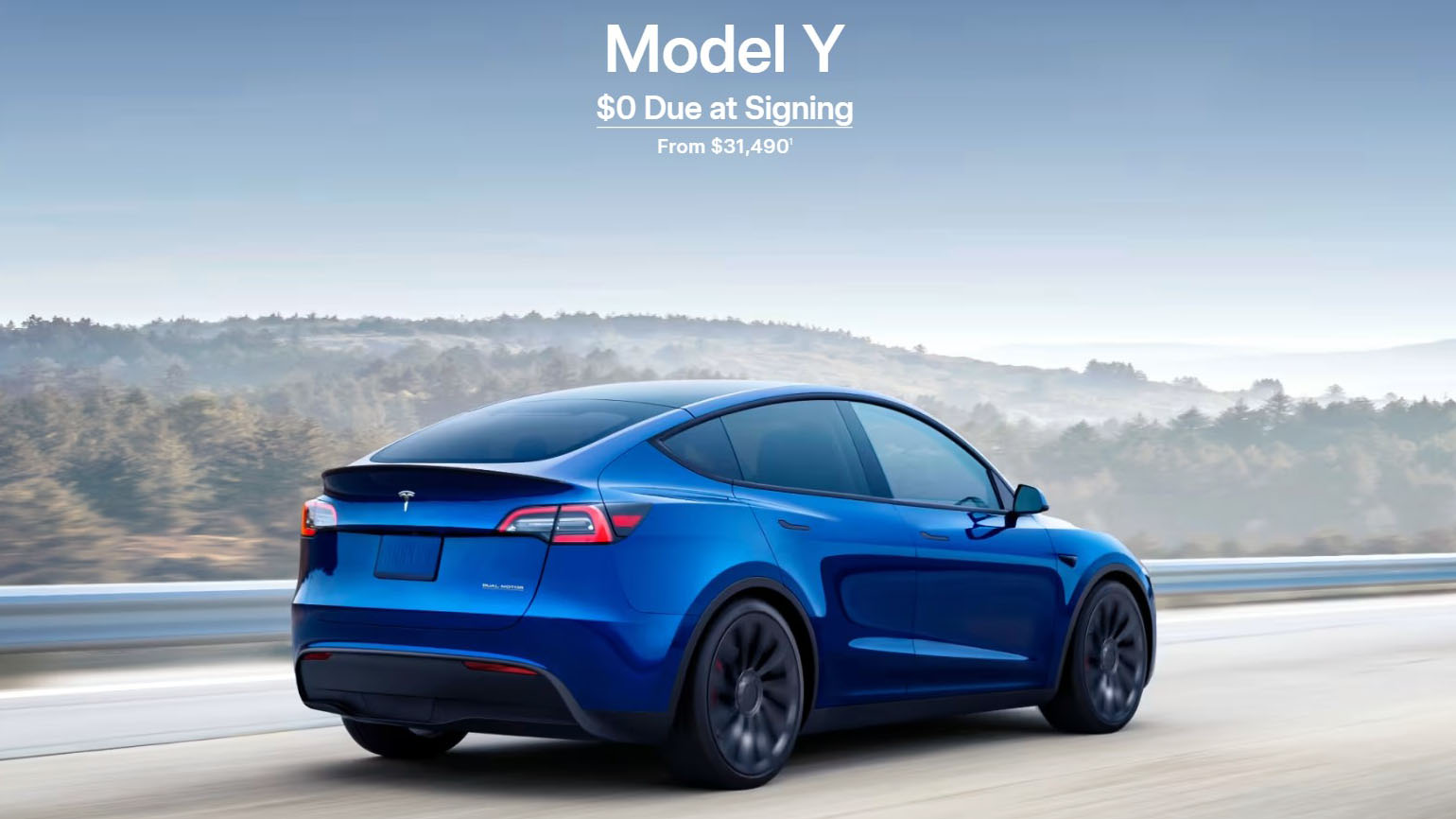
Tesla electric vehicle batteries, on average, lose about 12%-15% of their original capacity after driving 200,000 miles, a figure that varies depending on the model. Tesla’s most popular vehicle, the Model Y, has been on the roads since 2020, and some have already surpassed this mileage milestone.
There are Model Ys with over 210,000 miles on the odometer and others approaching this impressive distance, yet their battery degradation aligns with Tesla’s averages. Interestingly, owners who frequently use Superchargers report similar battery degradation. For example, one owner mentioned experiencing just 12% degradation after driving 180,000 miles, despite fast charging twice daily, with no noticeable increase in the rate of capacity loss.
Recent studies corroborate these real-world findings. Research confirmed that the difference in battery capacity loss between using Superchargers predominantly and slower home chargers is minimal. According to Recurrent, Tesla owners who predominantly use Superchargers show battery degradation percentages comparable to those who seldom use them. This aligns with the high-mileage Model Y examples we’ve observed.
It’s important to note that Tesla’s official battery statistics may not account for some early Model S vehicles prone to early failure due to moisture issues in the battery pack, prevalent before fall 2015. These earlier models might skew failure rates but not general degradation statistics, as most didn’t reach 200,000 miles before requiring a battery replacement, often under warranty.
Despite these early issues, some Model S units have logged an impressive 430,000 miles on their original batteries, demonstrating a 28% degradation over eight years. This aligns well with Tesla’s estimates of capacity loss per 200,000 miles.
Considering the advancements in battery technology used in the Model 3 and Model Y, the average degradation rate might improve even further as more of these models hit the 200,000-mile mark. This bodes well for the long-term reliability and cost-efficiency of Tesla’s newer electric vehicles.