LG Group Strengthens Nvidia Partnership to Accelerate Physical AI and Robotics
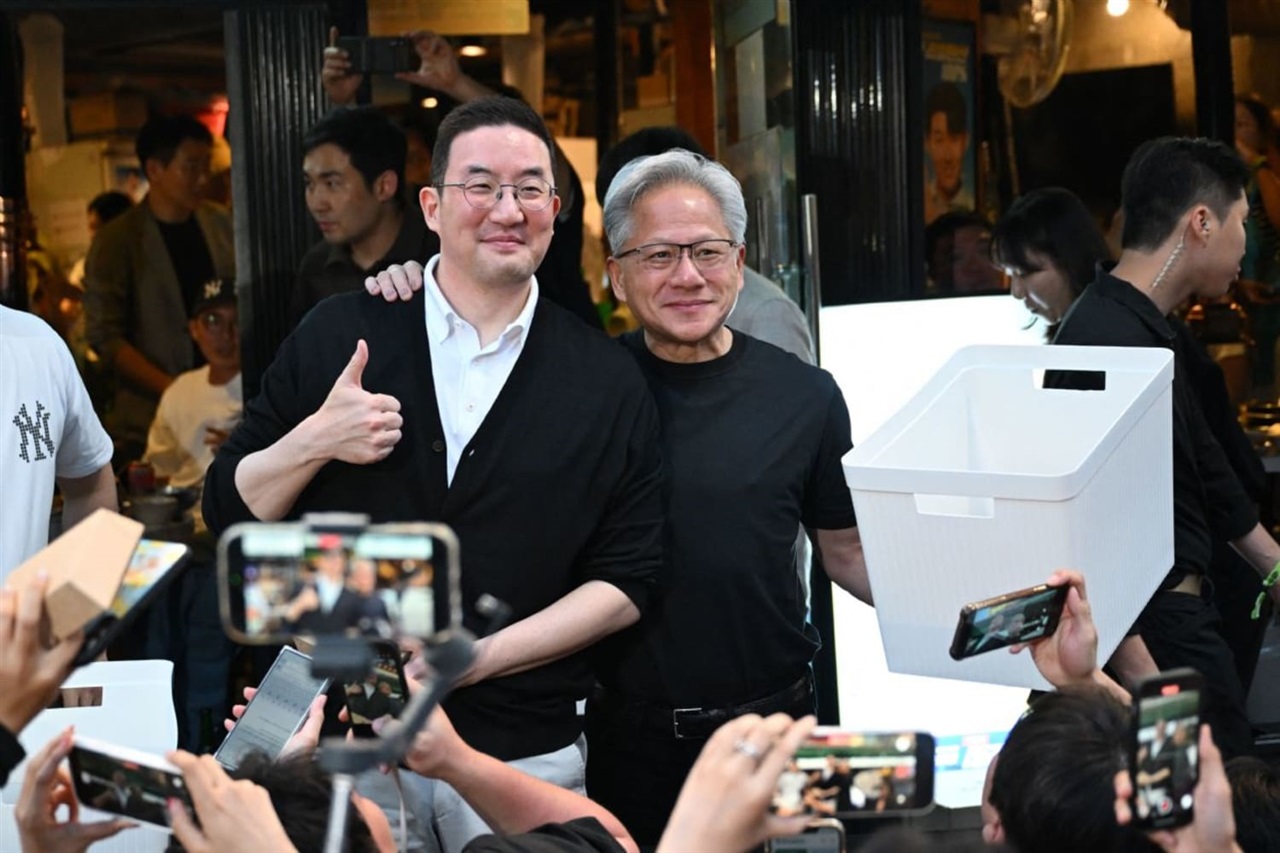
LG Group is moving quickly to deepen its collaboration with Nvidia as the race for physical AI and next-generation robotics continues to heat up. On June 22, 2026, senior LG executives traveled to Nvidia’s headquarters in Santa Clara, California, for talks focused on expanding cooperation in robotics, AI-driven manufacturing, and real-world artificial intelligence systems.
The visit came shortly after leaders from both companies met in Seoul on June 8, 2026, signaling that discussions between LG and Nvidia are advancing at a strategic level. The latest meeting in California appears to be part of LG’s broader push to strengthen its position in AI-powered hardware, smart factories, and intelligent machines.
Physical AI is becoming one of the most important areas in the technology industry. Unlike traditional software-based AI, physical AI connects artificial intelligence with real-world devices such as robots, autonomous systems, industrial machines, home appliances, and mobility solutions. For a company like LG, which has major businesses in electronics, displays, batteries, vehicle components, and smart home technology, this field could open the door to new growth opportunities.
Nvidia’s role in the partnership is especially significant. The company’s AI chips, robotics platforms, and simulation technologies are widely used to train and operate intelligent systems. By working more closely with Nvidia, LG could gain access to advanced AI computing tools that help improve robot learning, automation, machine vision, and real-time decision-making.
For LG, the collaboration may support several key business areas. In manufacturing, physical AI could help build smarter factories where robots inspect products, move materials, and optimize production lines with greater precision. In consumer electronics, AI-powered devices could become more adaptive, personalized, and responsive. In mobility and vehicle components, intelligent systems could enhance in-car experiences, driver assistance features, and autonomous technologies.
Robotics is also expected to be a major focus. LG has already shown interest in service robots, delivery robots, and AI-assisted automation. A stronger partnership with Nvidia could help LG develop robots that better understand their surroundings, interact more naturally with people, and perform complex tasks in homes, offices, hospitals, hotels, and industrial environments.
The timing of the talks reflects a wider shift across the tech industry. Companies are no longer treating AI as only a cloud-based software tool. Instead, they are bringing AI into the physical world, where machines can see, move, learn, and act. This makes partnerships between hardware makers and AI computing leaders increasingly valuable.
Although no detailed agreement has been announced, the meetings suggest that LG Group and Nvidia are preparing for broader cooperation in the future. The partnership could play an important role in shaping LG’s AI strategy as demand grows for smarter robots, automated factories, intelligent appliances, and connected mobility solutions.
As physical AI becomes a major driver of innovation, LG’s efforts to expand ties with Nvidia may help the company compete more aggressively in the next generation of AI-powered technology.