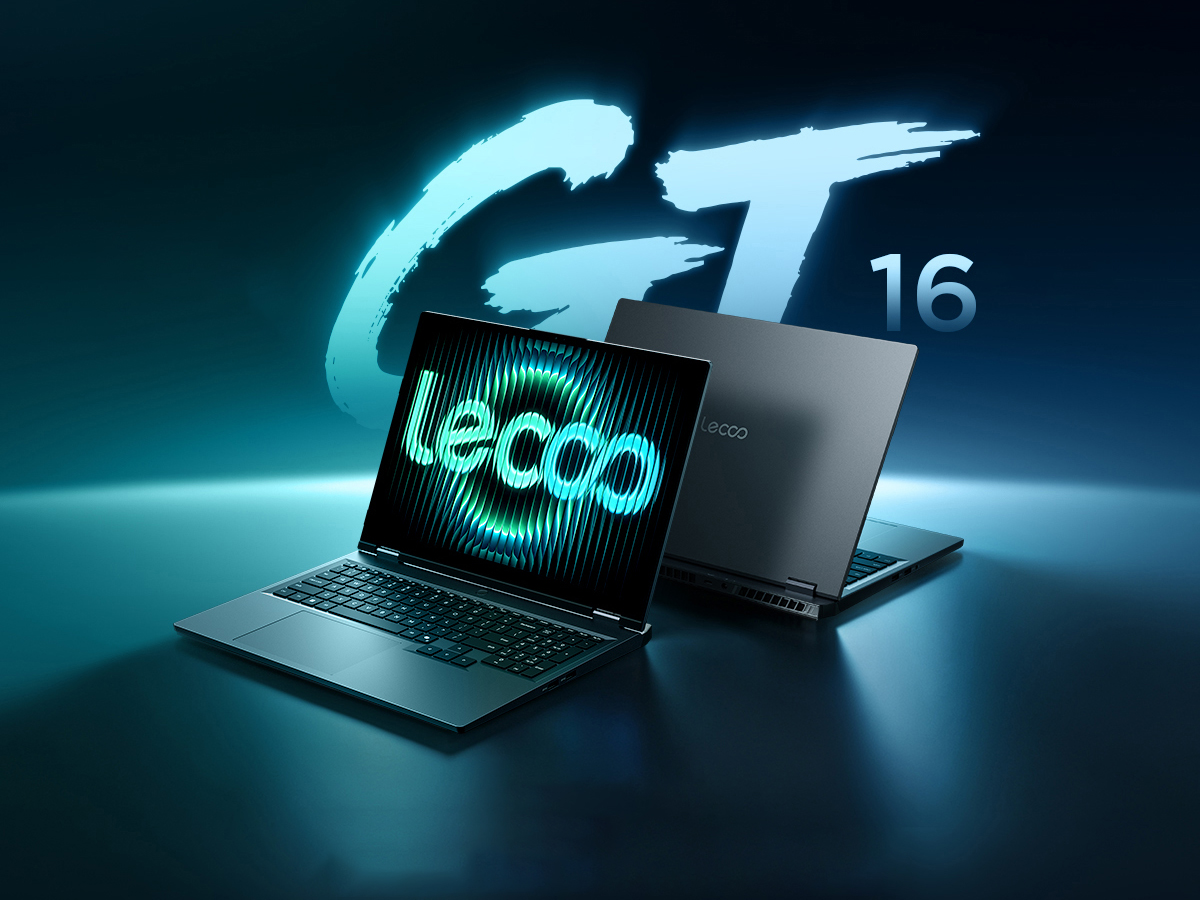
Lenovo Lecoo GT 16 Launches as a Budget Gaming Laptop With 165Hz Display and RTX 3050 Graphics
Lenovo has officially introduced the Lecoo GT 16 gaming laptop in China, expanding its budget-friendly gaming lineup with a machine aimed at students, casual gamers, and users who want a large high-refresh-rate screen without paying premium gaming laptop prices.
The new Lenovo Lecoo GT 16 shares some similarities with Lenovo’s affordable gaming models sold in other markets, but it arrives with a slightly different identity and hardware mix. At the heart of the laptop is the Intel Core 5 205H processor, a reworked Raptor Lake-based chip designed to offer solid everyday performance, multitasking power, and enough processing muscle for gaming and creative workloads.
One interesting choice is Lenovo’s use of DDR4 memory instead of newer DDR5 RAM. While DDR5 would have offered better bandwidth, DDR4 helps keep the laptop’s price lower, which fits the Lecoo GT 16’s position as an affordable gaming notebook.
A major highlight of the Lenovo Lecoo GT 16 is its 16-inch display. The panel features a 1920 x 1200 resolution, giving it a taller 16:10 aspect ratio compared to standard Full HD screens. This extra vertical space can be useful for browsing, productivity, schoolwork, and content creation. For gamers, the 165Hz refresh rate is the key attraction, offering smoother motion in fast-paced titles such as shooters, racing games, and esports titles.
Lenovo also claims the display covers 100% of the sRGB color space, which should make it more appealing for users who want better color accuracy for photo editing, video work, and media consumption.
Graphics performance comes from the Nvidia GeForce RTX 3050 Laptop GPU with 4GB of GDDR6 video memory. While the RTX 3050 is no longer a cutting-edge gaming chip, it remains a practical entry-level option for lighter gaming, esports, and older titles. Modern AAA games may require reduced graphics settings to maintain smooth frame rates, especially at the laptop’s native resolution.
For competitive games and casual gaming, however, the Lecoo GT 16 should be much more comfortable. Titles such as Valorant, League of Legends, Counter-Strike 2, Fortnite, and similar games should be playable with adjusted settings, especially with the benefit of the 165Hz display.
Lenovo has equipped the laptop with a dual-fan cooling system, which is designed to help maintain performance during longer gaming sessions. The company says the laptop can deliver up to 140W of total performance, with the GPU reaching up to 95W TGP. That higher GPU power limit could help the RTX 3050 perform better than lower-powered versions found in thinner laptops.
Storage expandability is another strong point. The Lecoo GT 16 includes dual M.2 slots, giving users room to upgrade beyond the included drive. Lenovo suggests the laptop can support large-capacity SSD configurations, making it a flexible option for gamers with big libraries or users who need more space for videos, projects, and files.
The laptop also includes a practical selection of ports, 180W fast charging support, and a clean gaming-focused design that avoids looking overly aggressive. This makes it suitable not only for gaming setups but also for classrooms, offices, and shared spaces.
In China, the Lenovo Lecoo GT 16 starts at CNY 5,999 for the configuration with 16GB of RAM and a 512GB SSD. That converts to roughly $895, placing it in the affordable gaming laptop category.
For now, Lenovo has only launched the Lecoo GT 16 in China. There is no official confirmation on whether it will be released globally. If it does arrive in other regions, Lenovo may introduce it under a different gaming laptop family, possibly as part of its mainstream budget gaming lineup.
Overall, the Lenovo Lecoo GT 16 looks like a sensible choice for buyers who want a large 16-inch 165Hz screen, decent everyday performance, upgradeable storage, and entry-level RTX gaming at a relatively accessible price. It may not be built for maxed-out AAA gaming, but for esports, casual play, streaming, study, and productivity, it could be a compelling budget gaming laptop.