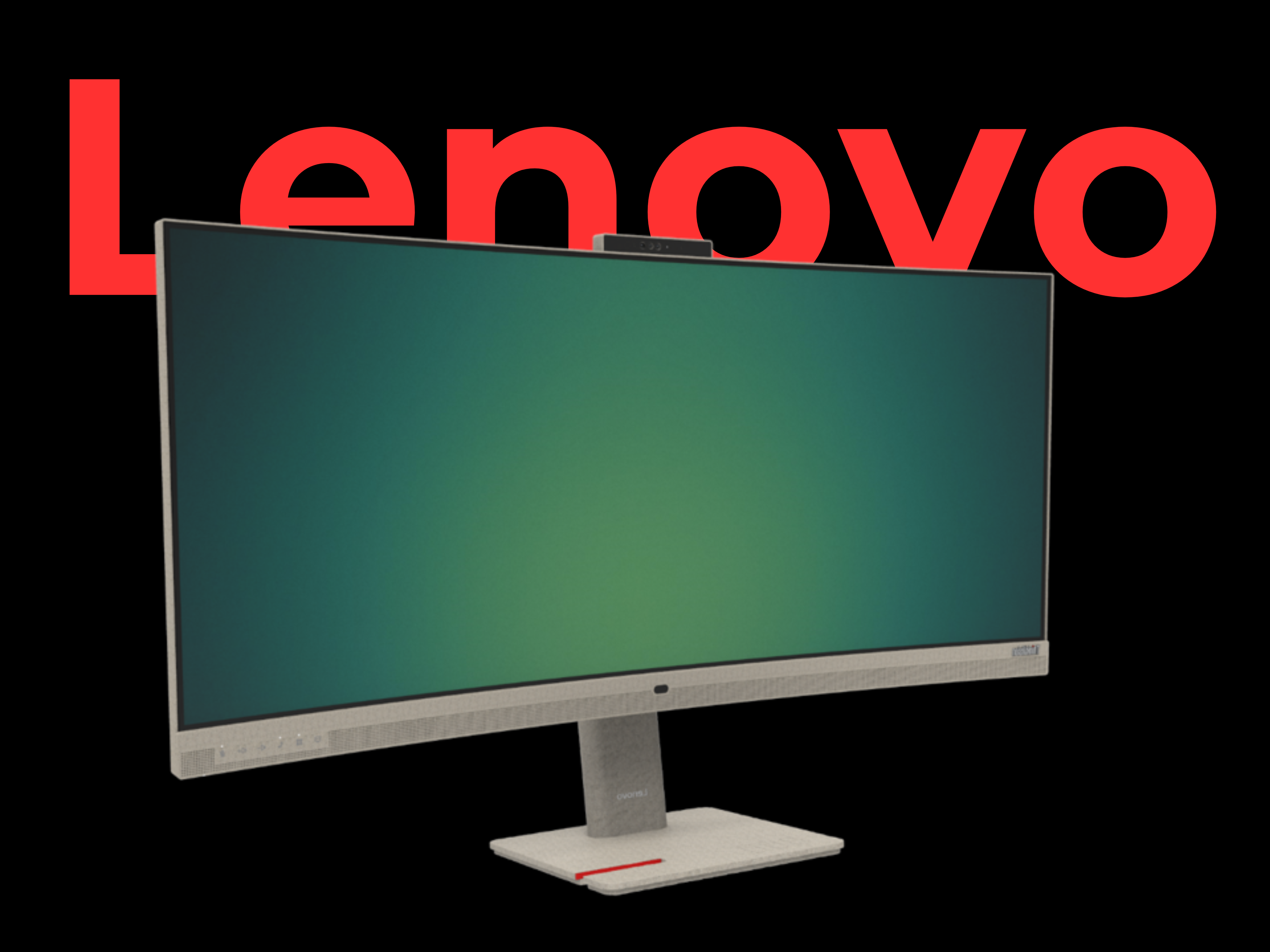
At the highly anticipated CES 2025 event, Lenovo unveiled its innovative AI-powered display designed to transform user interaction with technology. This cutting-edge monitor is equipped with a discrete Neural Processing Unit (NPU), shifting AI capabilities onto the device itself and addressing privacy concerns that have become increasingly prevalent.
The standout feature of Lenovo’s AI display is its ability to monitor users’ movements, offering gentle reminders to improve posture and prevent fatigue. The device’s sensors track user orientation, while its ergonomic motors automatically adjust the screen’s height and tilt to accommodate the user in real-time. This aims not only to enhance productivity but also to promote healthier computer usage habits, a benefit that is hard to overlook.
Nonetheless, advancements such as these often bring a mix of excitement and apprehension. With previous significant incidents at tech giants like Microsoft, there’s a growing wariness about how these technologies are implemented. Lenovo’s answer to these concerns is its discrete NPU, which minimizes reliance on cloud processing and ensures personal data remains securely stored on the user’s PC.
A particularly intriguing feature is the monitor’s capability to blur its screen when it senses the user has stepped away, offering a layer of privacy. Despite these efforts, the concept of a device constantly tracking movements can still be unsettling for many, especially given the futuristic scope of this technology.
To appeal to tech enthusiasts and professionals, Lenovo’s AI display is built to work seamlessly with non-AI PCs, facilitating the use of large language models and machine learning requests. This versatility ensures the display is attractive to a broader audience, potentially swaying those on the fence about the ever-present surveillance technology.
Currently, this AI display remains a proof-of-concept, indicating Lenovo’s intention to refine and perfect it before launching to the public. While the thought of consistent monitoring may seem invasive to some, the promise of enhanced productivity and user health could very well tip the scales.
This technological leap is a testament to how innovation continues to reshape our digital landscapes. While barriers of uncertainty still linger, the promise of a smarter, more intuitive tech experience lures many into accepting this brave new world of AI.