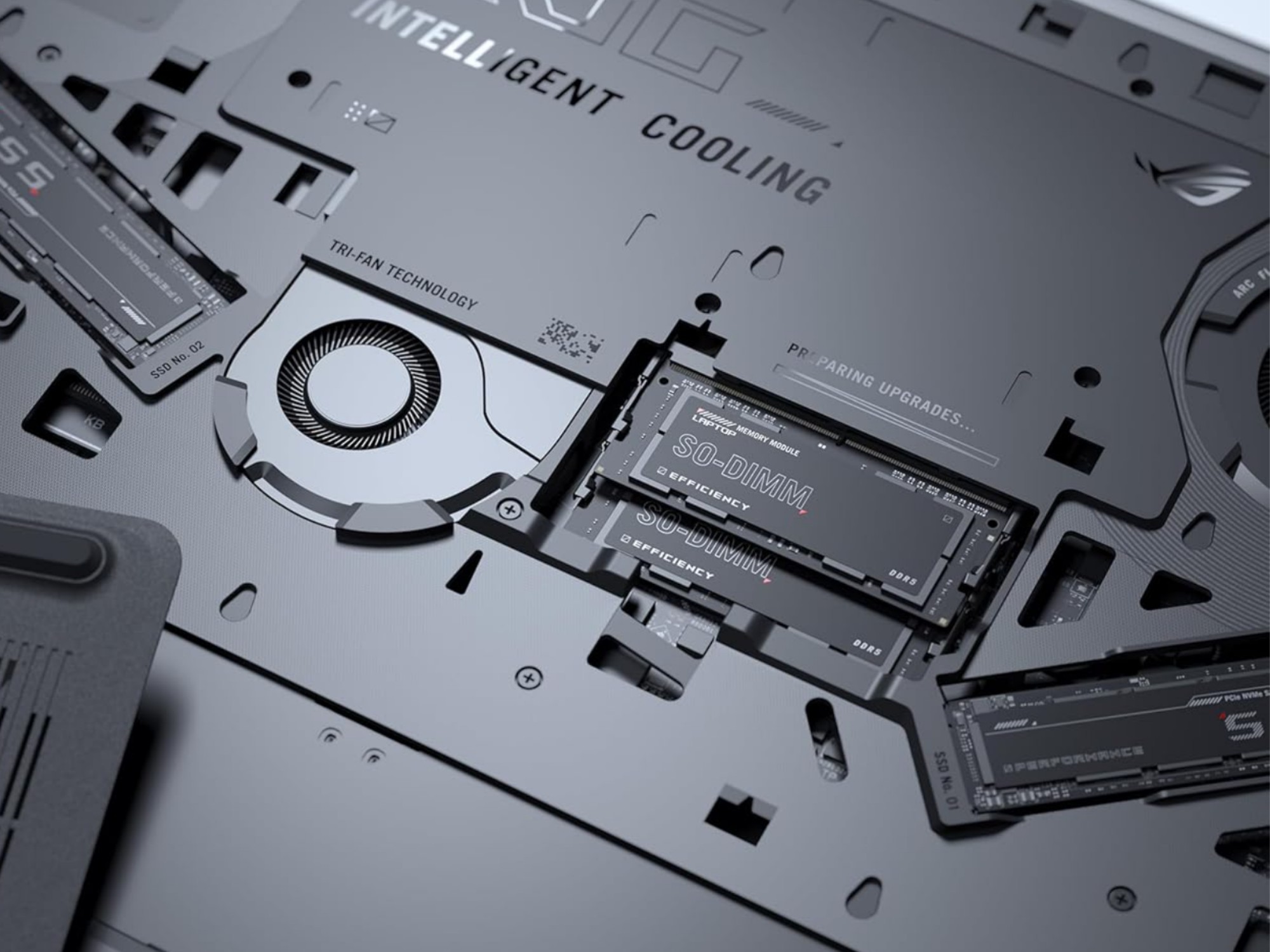
CES 2026 is expected to bring the usual wave of fresh work and gaming laptops from big-name brands such as Lenovo and HP. But behind the scenes, laptop makers are facing a problem that could reshape launch schedules, configurations, and even retail pricing: memory and storage costs are climbing fast, and the increases may be too steep to absorb.
According to a report from South Korea’s Chosun Biz, notebook manufacturers are already weighing difficult options, including delaying new laptop releases, as DRAM supply tightens and pricing pressure builds. The same report suggests companies are scrambling to secure enough memory to keep upcoming inventory moving without immediately pushing MSRPs higher.
Laptop brands rush to lock in DRAM, but DDR5 prices could still surge
To avoid sudden price jumps on laptops already planned for 2026, manufacturers have reportedly been trying to stock up on DRAM as early as possible. Sources cited in the report say some companies have signed preliminary agreements with major memory suppliers including Samsung, Micron, and SK Hynix. Even with early deals in place, the outlook remains rough: DDR5 RAM prices are still projected to rise dramatically, with forecasts pointing to a potential 45% increase by the end of 2026.
That creates a direct problem for laptop makers because DDR5 memory has become the standard in many midrange and premium systems, including models aimed at gaming, creators, and AI-assisted productivity. If memory becomes significantly more expensive, brands either squeeze their margins, raise laptop prices, or ship configurations with less RAM to hit familiar price points.
SSD prices may rise too as AI demand strains NAND supply
DRAM isn’t the only concern. The report also points to pressure on NAND flash supply, which is used for SSDs. With AI-related industry demand consuming more capacity, storage pricing could rise alongside memory. TrendForce is quoted projecting that memory and storage together could account for as much as 23% of the total laptop bill of materials. That’s a big enough slice of the cost structure to force visible changes in how laptops are priced and positioned.
One industry insider cited in the report claimed a manufacturer may raise prices on high-end laptop models by up to 30%. If that happens broadly across the market, shoppers could see premium gaming laptops and mobile workstations become noticeably more expensive, even when the CPU and GPU updates look relatively minor year over year.
After a strong 2025, laptop sales could cool in 2026
The timing is especially tricky because PC sales momentum had been recovering, helped in part by users upgrading systems to meet Windows 11 requirements. But if laptop prices climb sharply in 2026, that rebound may lose steam. Higher costs could push buyers to delay upgrades, choose lower specs, or look for discounts instead of purchasing newly launched models.
Manufacturers appear to understand that a slowdown may be unavoidable. One possibility raised in the report is postponed releases, giving brands time to wait out pricing spikes or rework configurations to maintain competitive price tags.
Different brands, different responses to memory cost pressure
Some laptop and PC makers have already signaled that price increases are coming. Meanwhile, not every company is responding the same way. One report suggested Asus had considered producing its own DDR5 memory, although the company reportedly denied the claim. Regardless, the rumor highlights how seriously manufacturers are taking the supply situation—and how tempting it is to explore alternatives when the traditional pricing model stops working.
Smaller PC builders face even tougher constraints
Companies without strong purchasing power or direct access to the largest memory suppliers may be hit hardest. The report mentions a striking example from U.S.-based boutique builder Maingear, which is encouraging customers to mail in their own memory modules for custom builds. While that could help certain buyers who already have compatible parts on hand, it won’t translate into meaningful savings for most people—especially if they’re not reusing components from an older system.
What this could mean for anyone shopping for a laptop in 2026
If these forecasts hold, CES 2026 may showcase impressive new laptops, but the buying experience could look different than recent years. Expect more conversation around pricing, more “starting at” configurations that feel leaner than before, and potentially fewer aggressive deals on new releases. Buyers looking for higher RAM capacities or larger SSDs may feel the price jump most, since those parts are directly tied to the areas under the most pressure.
For shoppers, the practical takeaway is simple: memory and storage may become the biggest hidden drivers of laptop pricing in 2026, influencing everything from launch timing to the value you get at each price tier.