Lenovo Legion Prototype Shows Off a 360Hz OLED Display Built for Next-Gen Gaming Laptops
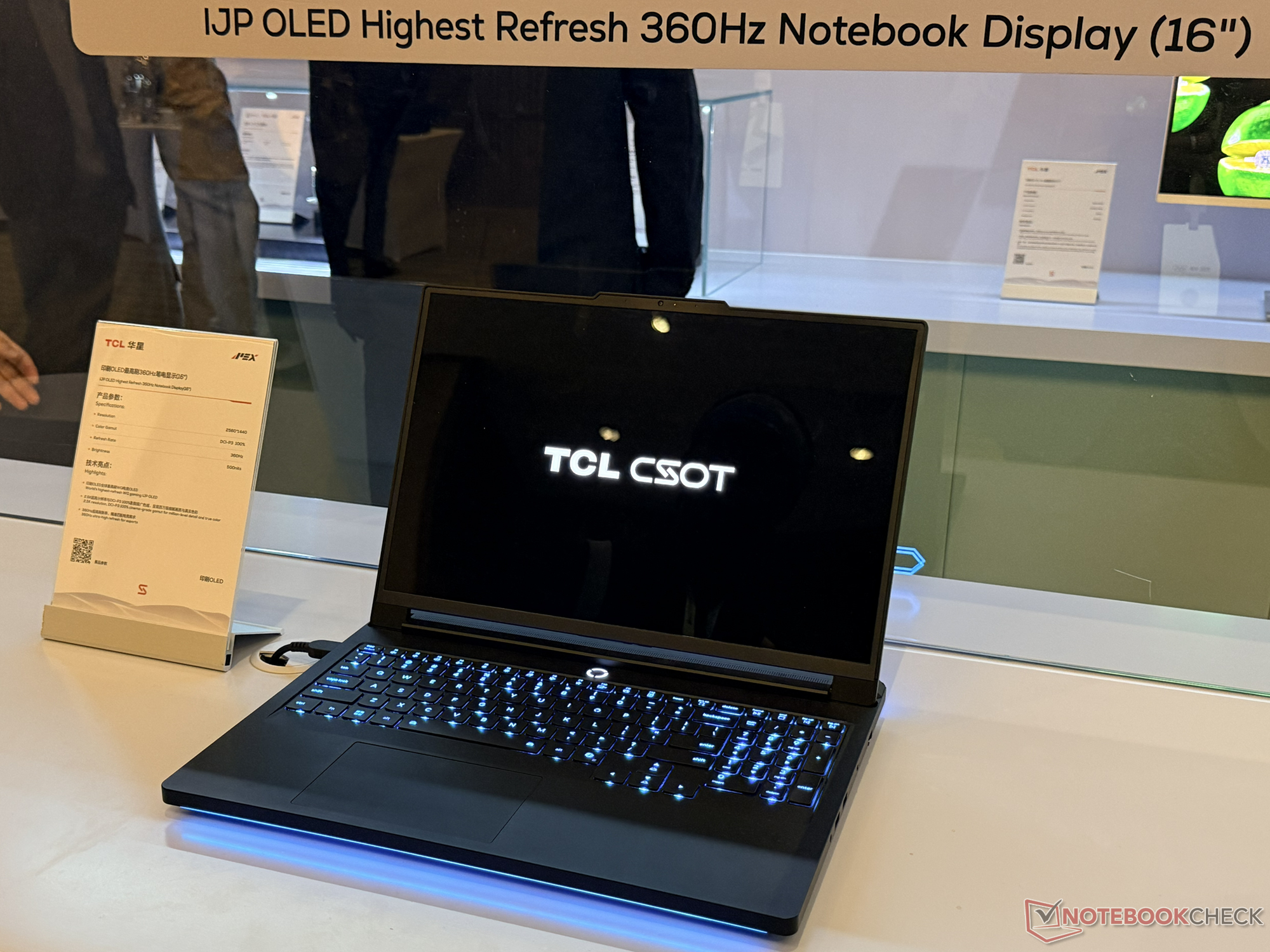
A new Lenovo Legion gaming laptop prototype has appeared with a display that could set a fresh benchmark for high-performance gaming notebooks. Shown during TCL CSOT’s DTC 2026 event, the prototype features a 16-inch IJP OLED panel with an ultra-fast 360Hz refresh rate, 2560 x 1440 resolution, and full DCI-P3 color coverage.
For competitive gamers, that 360Hz refresh rate is the biggest highlight. Most OLED gaming laptops currently available top out at around 240Hz, making this prototype a notable step forward. A higher refresh rate can deliver smoother motion, lower perceived blur, and a more responsive feel in fast-paced games such as shooters, racing titles, and esports-focused multiplayer games.
The display uses Inkjet Printed OLED technology, also known as IJP OLED. This manufacturing approach is designed to improve OLED production efficiency while still delivering the deep blacks, vivid colors, and strong contrast that OLED panels are known for. In a gaming laptop, that combination is especially appealing because it brings together speed, image quality, and immersion in one screen.
The 16-inch panel on the Lenovo Legion prototype has a native resolution of 2560 x 1440 pixels, often considered a sweet spot for gaming laptops. It offers sharper visuals than Full HD without being as demanding as 4K, which can help maintain higher frame rates in modern games. Paired with a 360Hz refresh rate, this resolution could make the display ideal for gamers who want both clarity and speed.
Color performance also appears to be a key focus. The panel is rated for 100% DCI-P3 color coverage, which means it should be capable of producing rich and accurate colors. That makes the screen useful not only for gaming but also for creative work such as video editing, digital art, and content creation.
Brightness is another important factor, and the prototype panel is rated at 500 nits. That should be bright enough for most indoor gaming environments, including setups with strong overhead lighting. During the showcase, the display reportedly appeared reasonably bright even under direct event lighting, which is a good sign for real-world usability.
TCL CSOT positioned the panel as a next-generation laptop display and described it as having the highest refresh rate among laptop OLED panels shown so far. Earlier developments in the gaming laptop OLED market had already pushed refresh rates beyond traditional levels, including 300Hz OLED panels, but this 360Hz prototype raises the bar again.
Lenovo’s Legion lineup is already well known among gamers for pairing powerful hardware with high-refresh displays. While the internal specifications of this particular prototype were not revealed, the display alone suggests that future Legion gaming laptops could target serious esports players and performance-focused users.
A 360Hz OLED panel could be especially attractive because OLED pixels respond extremely quickly compared with many LCD panels. This helps reduce ghosting and motion smearing, which are common concerns in fast-moving scenes. When combined with a high refresh rate, OLED technology can provide a noticeably fluid gaming experience.
The prototype also hints at where premium gaming laptops may be headed over the next few years. Instead of choosing between speed and visual quality, gamers may soon be able to get both in a single machine. A 1440p OLED display with 360Hz refresh, wide color coverage, and strong brightness could become a major selling point for high-end gaming notebooks.
TCL CSOT is reportedly working with partners, and mass production of the panel could begin soon. That does not necessarily mean a retail Lenovo Legion laptop with this exact display is ready for launch immediately, but it does suggest that the technology is moving closer to commercial availability.
If this panel reaches consumer laptops, it could mark an important upgrade for portable gaming. Competitive players would benefit from the smoother refresh rate, while casual gamers and creators would enjoy the OLED image quality, accurate colors, and high contrast.
For now, the Lenovo Legion 360Hz OLED gaming laptop remains a prototype, but it offers a strong preview of what next-generation gaming notebooks could look like: faster, brighter, more colorful, and better suited for both esports and immersive single-player experiences.