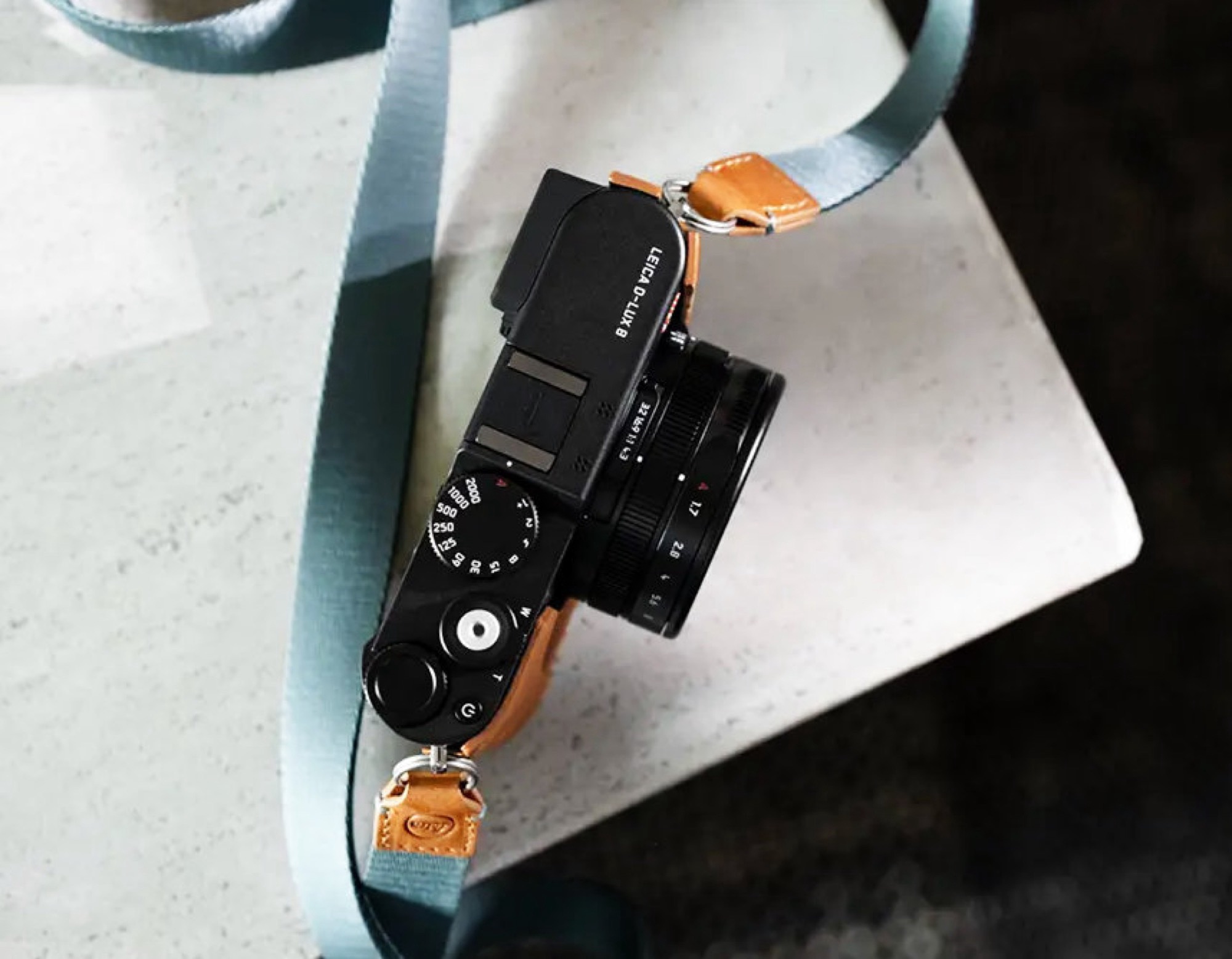
Leica’s compact D-Lux series has long appealed to people who want better photos than a smartphone can deliver—without lugging around a full-size camera. But right now, the Leica D-Lux 8 still isn’t an easy recommendation for anyone looking for a truly modern pocket camera. The main reason is simple: too much of its core hardware feels stuck in the past.
At the heart of the issue is the aging imaging pipeline. The D-Lux 8’s sensor and lens trace back to the Panasonic Lumix LX100 II from 2018. While that foundation was strong in its day, the gap is much easier to notice now. Compared with newer compact cameras and today’s best smartphone cameras, the older sensor shows its age in key areas that matter to everyday shooting—resolution detail, dynamic range in high-contrast scenes, and image noise in low light.
Connectivity is another pain point. The camera relies on Wi‑Fi 4, which is now considered outdated. In real-world use, that means photo transfers to a smartphone can feel slow and inconvenient—exactly the opposite of what many buyers want from a premium compact camera meant to complement (or replace) phone photography.
Performance and usability also hold the D-Lux 8 back. Autofocus speed is described as slow, making it harder to capture quick moments, candid shots, or moving subjects. The display doesn’t flip out, limiting flexibility for framing at tricky angles, shooting overhead, low to the ground, or recording yourself. Video features also feel behind the curve: 4K recording is capped at 30 frames per second, and there’s no RAW video option for creators who want more freedom in editing and color grading.
All of this explains why the D-Lux 8 struggles to stand out as the best “smartphone upgrade” compact camera—despite Leica’s brand appeal and the desire many people have for a dedicated camera with better optics and a more tactile shooting experience.
That’s why the idea of a Leica D-Lux 9 is so interesting. If Leica can modernize the things that matter most—newer sensor tech, faster autofocus, updated wireless connectivity for quick phone transfers, a more versatile screen, and stronger video options—without pushing the price significantly higher, the next D-Lux could become a genuinely compelling alternative to a flagship smartphone. For many photographers, that combination of premium design, true camera handling, and modern performance could hit the perfect sweet spot.


