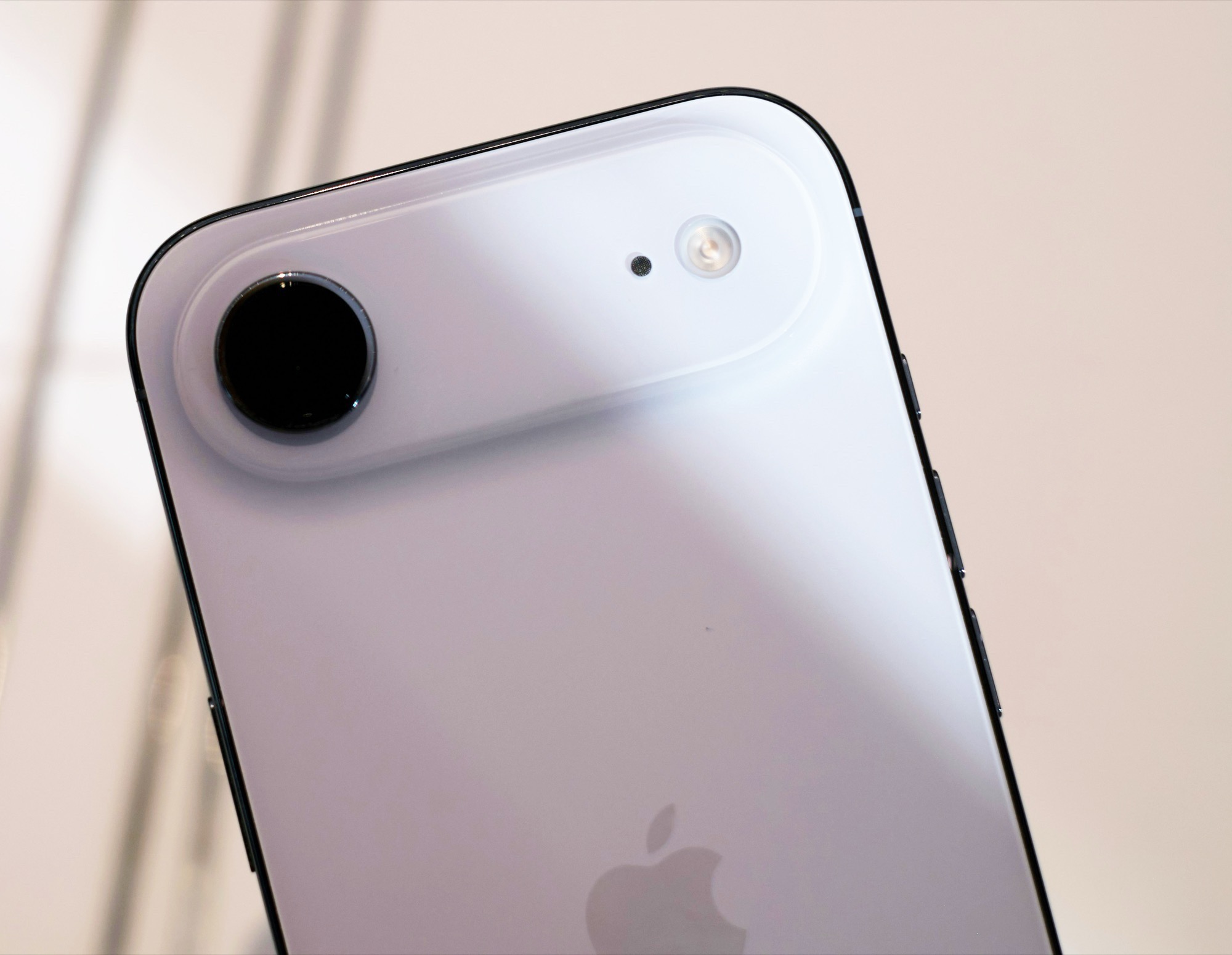
Apple’s iPhone Air made a name for itself by being one of the thinnest smartphones you can buy. But recent ultra-slim rivals have proven that a slender design doesn’t have to mean giving up meaningful hardware upgrades. Now, a new wave of rumors suggests Apple may be preparing a clever internal redesign for the iPhone Air 2—one that could open the door to a second rear camera without making the phone thicker.
For months, talk around the iPhone Air successor has been mixed. Some reports have claimed Apple would stay with a single 48MP rear camera, while others have hinted the company is planning to add an ultra-wide camera like the one found on Apple’s more affordable models. The latest chatter now leans back toward the two-camera setup, with a well-known leaker insisting an ultra-wide lens is currently part of the plan.
So how does Apple fit more camera hardware into an already ultra-thin phone? The rumor points to the Face ID system. Apple is said to be developing an ultra-thin Face ID module—essentially shrinking the space needed for the front-facing 3D facial recognition components. If that internal footprint gets smaller, it could free up just enough room inside the tight chassis to accommodate a second rear camera.
Beyond camera changes, the iPhone Air 2 is also expected to move to a newer Apple A20 chipset. The main benefit would likely be improved power efficiency, which could translate to better battery life—an important upgrade for a phone where space constraints make large battery gains difficult. Aside from that, don’t expect a dramatic overhaul, as the current rumors suggest the device will focus on targeted improvements rather than a full reinvention. If the timeline holds, the iPhone Air 2 could arrive in spring 2027.
Interestingly, the same compact Face ID technology is also being linked to a future MacBook Pro generation. The claim is that upcoming MacBook Pro models powered by Apple’s M6 Pro and M6 Max chips may adopt this smaller Face ID module as well. That lines up with broader rumors that a redesigned MacBook Pro is in development—one that could introduce major visual changes, including a touchscreen and a new cutout style that replaces the current notch. If Face ID does arrive on the MacBook Pro, it could also signal a shift away from fingerprint-based unlocking, allowing the laptop to authenticate and unlock automatically the moment you open the lid.
As always with early leaks, details can change before launch. But the idea behind these rumors is consistent: Apple may be shrinking its Face ID hardware not just for aesthetics, but to reclaim valuable internal space—making thin devices more capable without sacrificing the sleek designs they’re known for.


