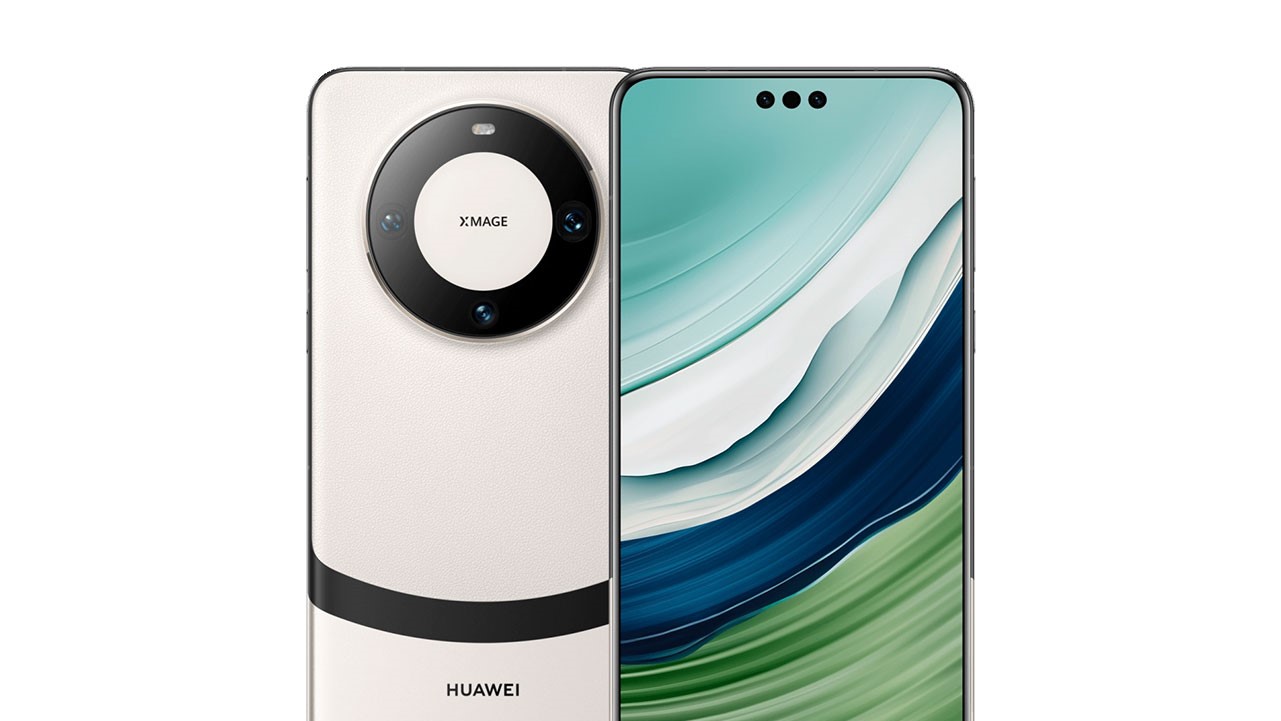
The anticipation for Huawei’s next series of flagship phones builds as fresh leaks offer a glimpse into the design and pricing of the Mate 70 collection. A leaked image reveals four devices that seem to be the successors to the Huawei Mate 60 series. These new models display a departure from their predecessor’s camera design, adopting a stark contrast with dual concentric circles featuring a large pale center that possibly houses an advanced flash module.
This change in design moves the XMAGE logo from a central position, as seen on the Mate 60 series, to a lower accent position akin to the Mate X5. It’s speculated that each of the smartphones includes three lenses within the outer ring of the camera setup.
In a distinctive twist, one of the devices showcased an octagonal camera housing, indicating that it might be the heir to the Mate 60 RS—projected to bear the name Mate 70 RS Ultimate. This model is believed to be the peak of luxury in the lineup, potentially coming with a 16GB RAM and 512GB internal storage variant, priced at roughly 10,999 yuan (approximately $1,541).
Following the Mate 70 RS Ultimate, the Mate 70 Pro+ is suggested to be available starting at 8,999 yuan (around $1,260), whilst the Mate 70 Pro is expected to have a base price of at least 6,999 yuan (about $980). The standard Mate 70 model might be set at a starting price of 5,999 yuan (close to $840). Thus, the new Huawei flagships seem to carry a price tag that at least matches the costs of the prior models.
However, the Huawei Mate 70 series aims to offer more value with 256GB of internal storage as a starting point, in contrast to the previous 128GB baseline. They are also anticipated to introduce upgrades in the camera department, bolstered by both hardware improvements and AI enhancements.
Despite these advancements, there are discussions that the Mate 70 series may face stiff competition, as they are rumored to be released in November 2024 with Kirin processors. The concern is that these processors may not yet be on par with the most advanced platforms like the Snapdragon 8 Gen 4.
Huawei’s strategy appears to be to compete on quality features, such as camera capabilities and robust internal storage, which could appeal to smartphone enthusiasts willing to invest in high-end specs. However, with the release slated for late 2024, consumers and tech aficionados will have to wait to see how these devices match up against other leading smartphones in the market. With an evolving technology landscape, Huawei will no doubt aim to ensure that its Mate 70 series will impress both in design and performance.