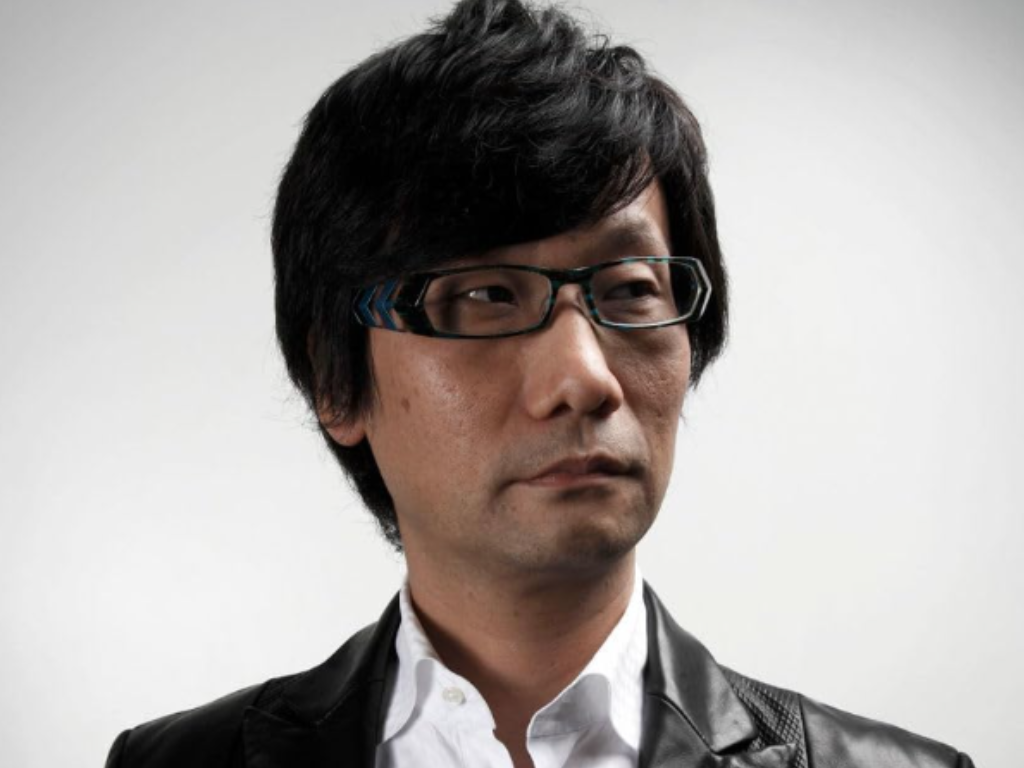
Hideo Kojima is embracing artificial intelligence as a creative ally, not a rival. In a recent conversation with Wired Japan, the renowned game director said he sees AI as a partner that can take on time-consuming chores while he focuses on steering the vision, story, and style. As he put it, many people lean on AI to spark ideas, but he prefers to lead creatively and use the tech to boost efficiency.
That stance lands at a moment when AI is rapidly spreading through game development pipelines. Major studios, including Activision, Level-5, and Capcom, have publicly explored AI across a range of tasks. A survey conducted in June and July reported that 32% of CESA member companies are using AI to build in-house engines, generate or enhance visual assets, produce text, and support programming. From image upscaling to code generation, the footprint is growing even as parts of the community voice resistance.
Kojima’s approach is pragmatic: let AI handle repetitive or technical work—think animation cleanup, motion capture processing, and nuanced NPC behaviors—so human teams can pour more time into worldbuilding, design, and narrative. He describes it as co-creation rather than replacement, saying he wants AI to reduce costs and timelines while keeping people in charge of the big ideas. The goal is to stay one step ahead by creating with AI, not surrendering to it.
This philosophy already informs development at Kojima Productions. During the making of Death Stranding 2: On the Beach, the studio used machine learning to scan actors, including Elle Fanning and Shioli Kutsuna, and build high-fidelity digital models. Even with the game’s impressive visuals and lifelike performances, Kojima remains unsatisfied, calling the result “okay” and pushing for even greater realism in upcoming projects like OD and Physint. Reflecting on the process at an event in Riyadh, he noted how much time was invested in scanning and rigging the cast to move in a convincingly analog way—valuable work, but an area where smarter tools could accelerate progress.
The larger industry is still wrestling with what AI should and shouldn’t do. Some companies are chasing full automation, while others worry about the technology’s impact on jobs and creative identity. AI is frequently cited as a factor in the wave of layoffs that has hit gaming as studios search for sustainable profitability. Kojima’s take offers a different path: use AI to streamline production and control costs without erasing the human touch that makes games memorable.
As AI systems mature, the most compelling results will likely come from teams that mix human ingenuity with machine precision. Kojima’s vision points toward that balance—keeping creators in the driver’s seat, using AI where it helps most, and aiming for ever higher levels of craft and realism.


