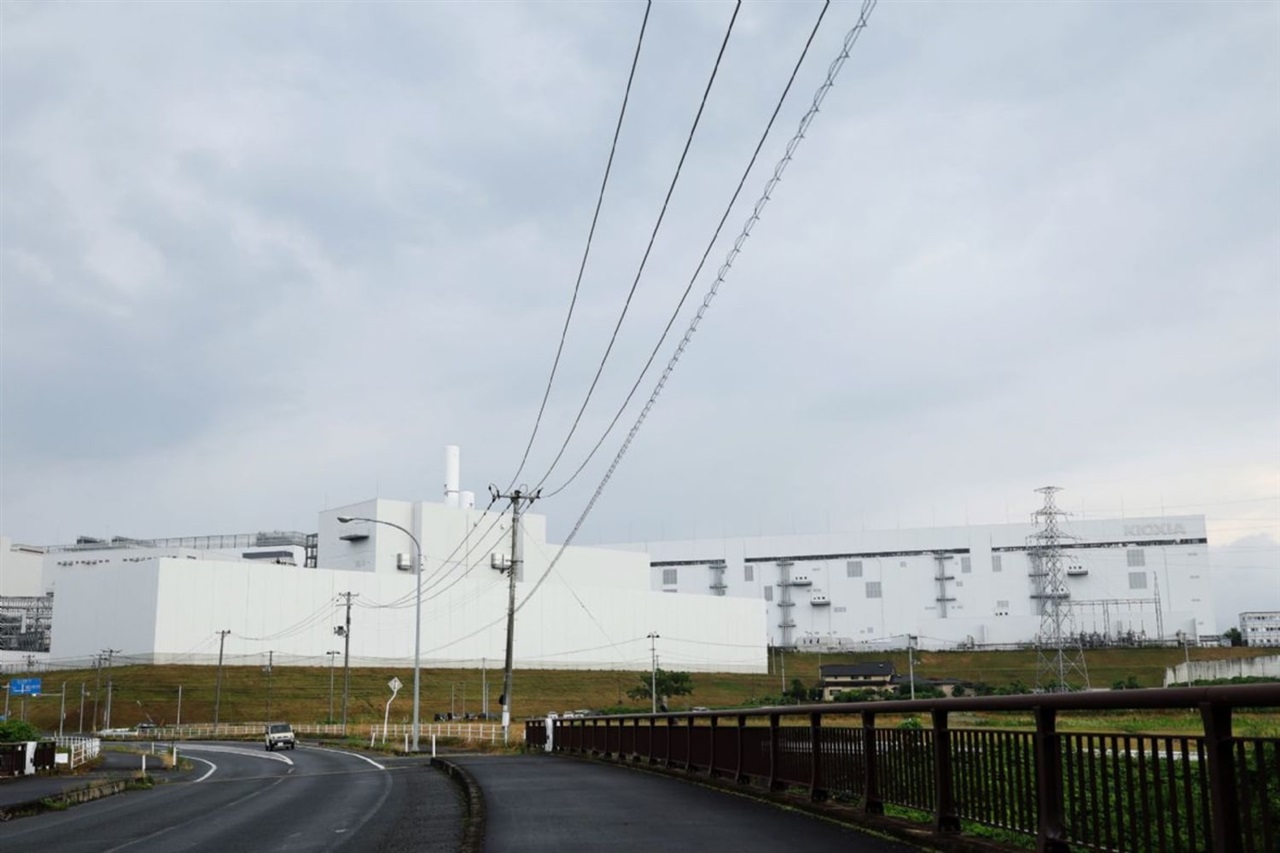
Kioxia Takes Cautious Spending Approach as AI Demand Pushes Memory Makers to Invest More
Major memory manufacturers are preparing for a new wave of growth as demand tied to artificial intelligence continues to rise, especially from large U.S. technology companies. With AI servers requiring massive amounts of high-performance memory and storage, several leading suppliers are increasing capital expenditure to expand production capacity and upgrade equipment.
However, Kioxia is taking a more careful path.
The Japanese NAND flash memory maker is keeping its investment plans relatively restrained compared with some of its global competitors. Rather than rushing to spend heavily on new production equipment, Kioxia is focusing on strengthening its technology and maintaining a competitive edge in advanced NAND development.
This strategy reflects lessons learned from past memory market cycles. The semiconductor memory industry is known for sharp swings between shortages and oversupply. When companies expand too aggressively during periods of strong demand, the market can quickly become saturated, leading to falling prices and weaker profits. Kioxia appears to be avoiding that risk by choosing disciplined spending over rapid capacity expansion.
AI demand is still creating a powerful tailwind for the memory sector. Data centers built for artificial intelligence workloads need large volumes of storage and memory to process enormous datasets. As cloud providers and major tech companies continue investing in AI infrastructure, suppliers of DRAM, NAND, and other memory technologies are seeing renewed business momentum.
For Kioxia, the challenge is balancing opportunity with caution. By limiting capital spending, the company may reduce the risk of overcapacity if demand slows. At the same time, it must ensure it can keep pace with rivals that are investing more aggressively to capture AI-driven growth.
Kioxia’s decision highlights a broader shift in the memory chip market. While artificial intelligence is boosting demand, manufacturers are no longer willing to expand blindly. After years of price pressure and inventory corrections, many chipmakers are now paying closer attention to profitability, production discipline, and long-term technology leadership.
The company’s focus on innovation could help it remain competitive in advanced NAND flash, a key component used in smartphones, PCs, servers, and data centers. As AI applications continue to grow, demand for faster, denser, and more efficient storage is expected to increase.
Kioxia’s cautious investment strategy may prove wise if the market becomes volatile again. Instead of chasing short-term expansion, the company is positioning itself for sustainable growth in a memory industry increasingly shaped by artificial intelligence, cloud computing, and high-performance data storage.