Applied Materials and Kioxia Join Forces to Advance AI Memory Technology
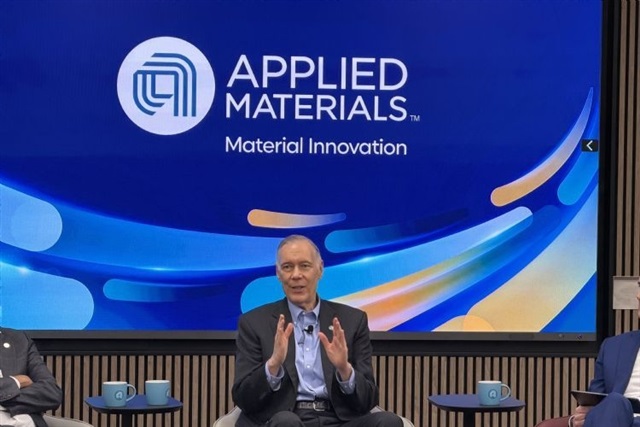
Applied Materials has announced a new collaboration with Kioxia at its Equipment and Process Innovation and Commercialization Center, known as the EPIC Center, in Silicon Valley, California. The partnership is focused on accelerating the development of next-generation memory technologies designed to support the rapidly growing demands of artificial intelligence.
As AI workloads become more complex, the need for faster, denser, and more energy-efficient memory continues to rise. Applied Materials and Kioxia plan to work together on advanced memory cells, new memory structures, multi-chip stacking architectures, and innovative materials engineering processes. These areas are expected to play a key role in improving memory density, performance, and scalability for future computing systems.
The collaboration highlights the increasing importance of semiconductor innovation in the AI era. Modern AI applications require massive amounts of data to be processed quickly, making memory performance a critical factor in overall system efficiency. By combining Applied Materials’ expertise in chipmaking equipment and process technology with Kioxia’s experience in memory solutions, the partnership aims to push memory development forward.
Multi-chip stacking is one of the major areas of focus. This approach allows multiple memory chips to be integrated more closely, helping increase capacity and bandwidth while reducing space and power requirements. Such advancements could benefit data centers, high-performance computing platforms, AI accelerators, and future consumer electronics that rely on faster access to large volumes of data.
The EPIC Center is designed to bring semiconductor companies together to speed up innovation and commercialization. With Kioxia joining the initiative, Applied Materials is strengthening its role in supporting the next wave of AI-driven hardware development.
This partnership reflects a broader industry shift toward specialized memory solutions built for artificial intelligence, machine learning, and data-intensive computing. As AI adoption expands across industries, breakthroughs in memory technology will be essential for enabling faster processing, better efficiency, and more powerful next-generation devices.