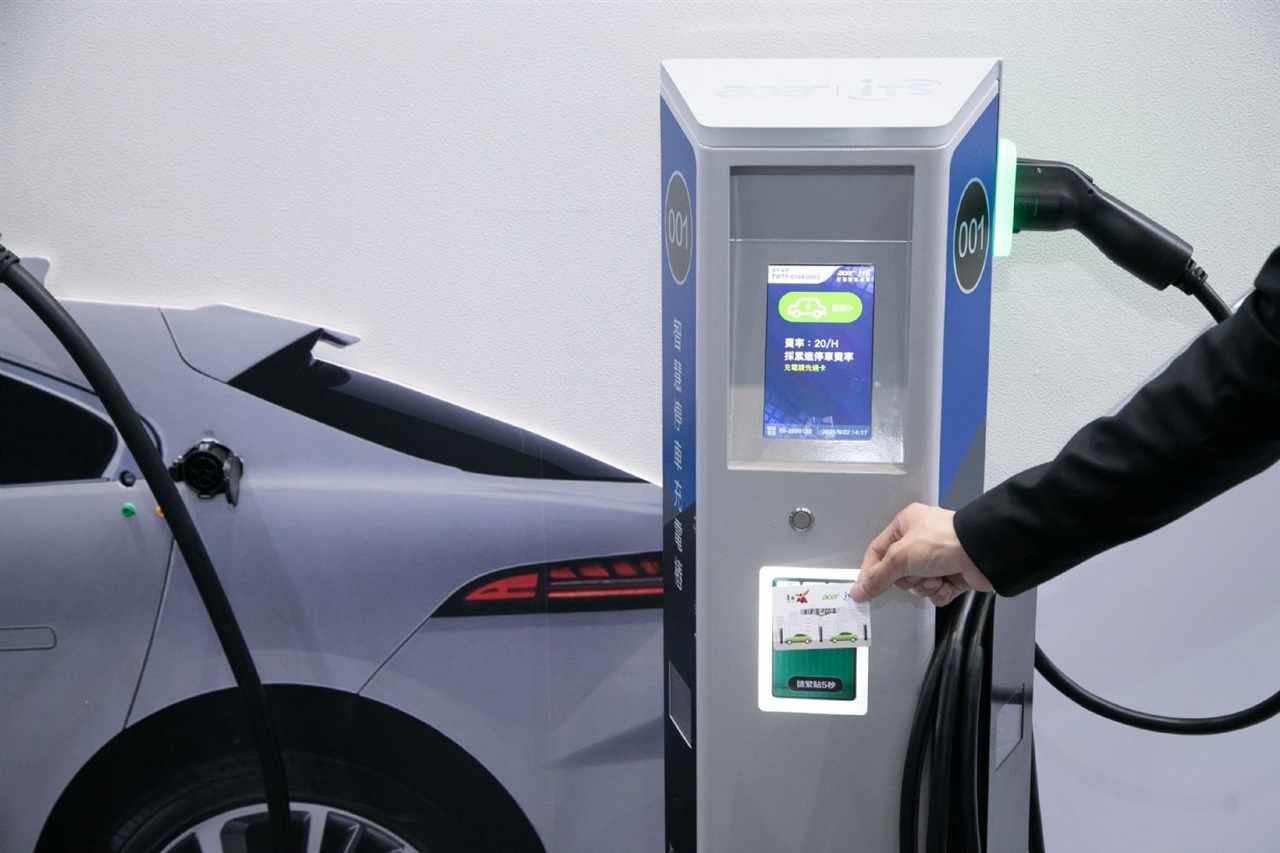
Electric vehicles (EVs) are undeniably gaining momentum globally as an integral part of the move towards sustainable transportation. However, the widespread adoption of EVs is closely dependent on the adequacy and accessibility of the requisite charging infrastructure. Industry analysts reinforce the critical need for accelerating the construction of EV charging facilities to support the growing number of EVs on the road.
Recent market research emphasizes the substantial growth in the ownership of electric vehicles, with an annual increase of 14 million units, signaling over a noteworthy upsurge in the global market. This growing base of electric vehicles requires a robust support system of charging stations to ensure that the issues of range anxiety and charging convenience do not deter potential buyers.
Increasing Investment in Charging Infrastructure
Governments and private entities alike have recognized the pressing need for comprehensive EV charging networks. To this end, significant investments are being made to expand the quantity and enhance the quality of charging stations. These improvements not only facilitate a better user experience but also help to accommodate the burgeoning electric vehicle market.
There are strong indications that public and private sectors are collaborating more closely to create and implement strategic plans for charging network expansion. These collaborations are instrumental in optimizing the distribution of charging points, particularly in urban areas where the concentration of electric vehicles is on the rise.
Key Players in the EV Charging Sector
The EV charger market is becoming increasingly competitive with several key players contributing to its development. Manufacturers and service providers are working on technological innovations to improve charge times, reliability, and the overall user interface.
Companies in this space are exploring cutting-edge charging technologies, such as ultra-fast chargers, wireless charging pads, and solar-powered charging stations, to push the boundaries of what’s currently possible. Organizations active in the market are also aiming to improve upon integration with smart grids, enabling more efficient energy consumption and management of real-time charging data.
Consumer-Centric Approach
In line with these advancements, there is a dedicated focus on the customer journey – simplifying the process of charging and enhancing the overall experience. This includes the development of user-friendly apps to locate and operate chargers, flexible payment options, and memberships that offer special benefits. These initiatives are imperative for encouraging EV adoption among a broader consumer base.
Global Initiatives and Insights
Globally, countries are setting ambitious targets for EV adoption and supporting these with legislative measures. Incentives for consumers, investments in R&D, and policies that mandate the installation of EV chargers in new buildings are some of the strategies being employed.
Furthermore, recent trends show a push towards the development of cost-effective and high-efficiency charger models that can cater to different vehicle requirements and geographical conditions. The emergence of battery swapping technology and mobile charging services are innovative concepts that are also being investigated as part of the expanding EV charging market landscape.
Conclusion
For consumers considering the switch to electric vehicles, accessibility to charging infrastructure remains a pivotal factor. The ongoing investments in this space and the strides made by key market players are gradually erasing the earlier hurdles associated with EV ownership. By promoting a consumer-friendly ecosystem and innovating consistently, the EV charger market is set to bolster the rise of electric mobility and its associated benefits, contributing to a greener future.
Individuals and businesses must stay informed about the evolving landscape of EV charging options, and consider how they can leverage these advancements, whether it’s by installing chargers at home or office spaces, or simply by planning for the paradigm shift to electric transport in their day-to-day lives.