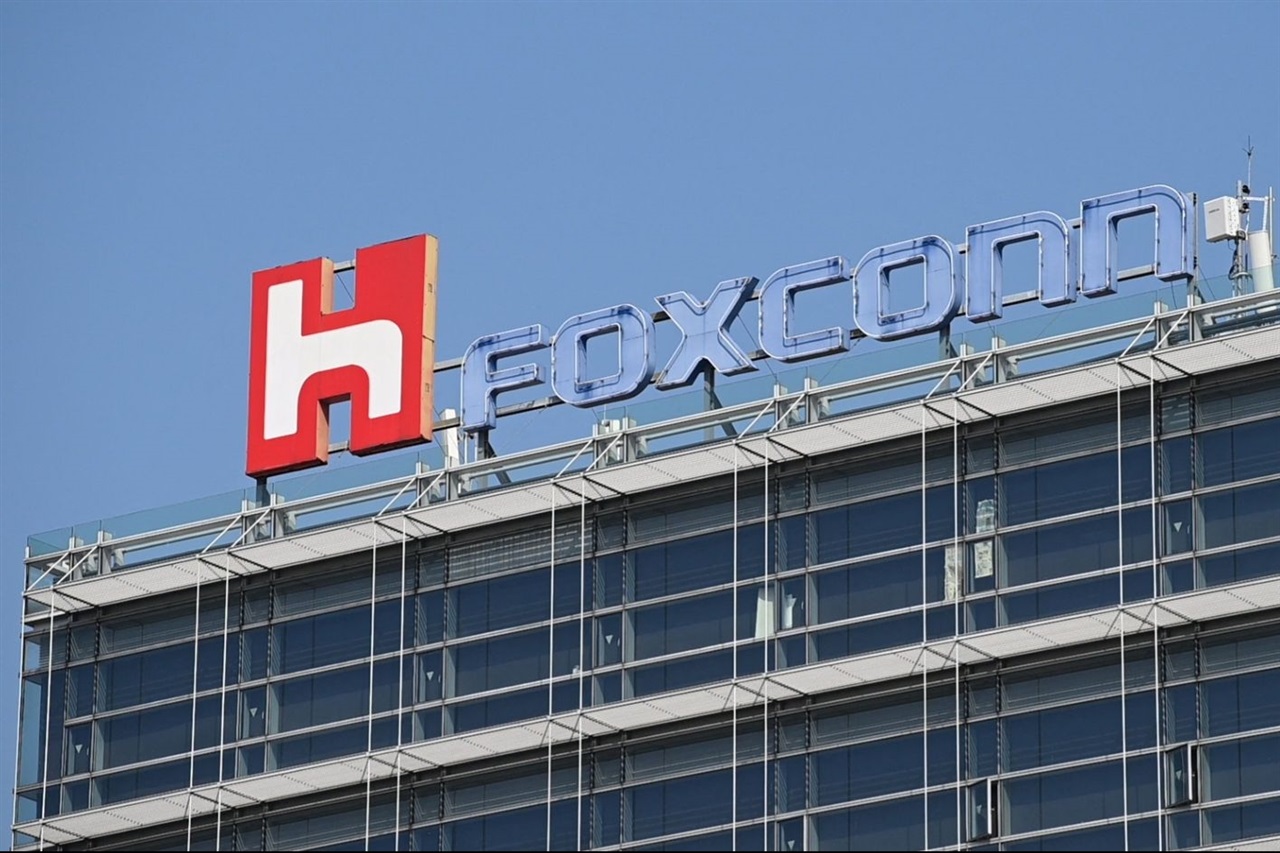
The Karnataka government has stepped in to calm a growing tax dispute involving Foxconn, the Taiwanese electronics manufacturing giant, after two local gram panchayats moved to take action over alleged unpaid dues. By directing the panchayats to pause any enforcement steps for now, the state has effectively hit the brakes on a situation that risked escalating quickly and sending the wrong signal to global investors watching Karnataka’s manufacturing ecosystem.
Foxconn’s presence is closely tied to India’s broader push to expand high-value electronics manufacturing, strengthen supply chains, and attract large-scale foreign investment. That’s why even a local-level tax disagreement can carry outsized implications. When a high-profile manufacturer becomes entangled in a dispute with local bodies, it can raise concerns about regulatory consistency, ease of doing business, and how smoothly major industrial projects can operate on the ground.
The state government’s intervention appears aimed at preventing the issue from turning into a prolonged standoff. By asking the two gram panchayats to stand down, Karnataka is signaling that it wants the matter handled through a more coordinated process rather than through immediate local enforcement. This approach can help create space for clarification of the alleged tax liabilities, verification of records, and a structured resolution that avoids disruption.
For Karnataka, the stakes go beyond one company. The state has worked to position itself as a competitive destination for manufacturing investment, particularly in sectors such as electronics and advanced components. Disputes that flare up at the local level can create uncertainty for companies evaluating expansion plans, and they may influence how other multinational firms perceive administrative stability in key industrial regions.
While the pause does not necessarily resolve the underlying tax claims, it does reduce the immediate risk of escalation. The next steps are likely to focus on reviewing the alleged dues, determining jurisdictional and procedural issues, and finding a settlement path that keeps operations steady while ensuring compliance with applicable tax rules.
In the near term, Karnataka’s move helps protect its investment narrative by showing that the state is willing to step in when conflicts threaten to spill over. For investors and manufacturers tracking India’s electronics manufacturing momentum, this development is a reminder of how important clear coordination is across state and local authorities—especially when major global suppliers are involved.