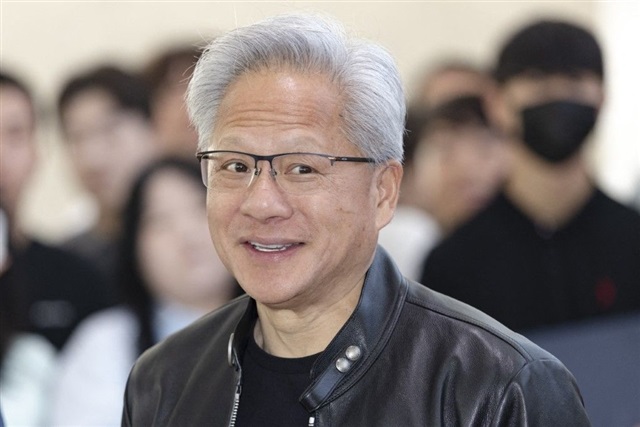
Nvidia CEO Jensen Huang has once again made the case for open-weight and open-source AI, urging US officials to think carefully before placing broad restrictions on Chinese artificial intelligence models.
His remarks come as Washington pays closer attention to the fast-moving AI race, especially after Chinese startup Moonshot AI introduced its powerful Kimi K3 model. The launch has renewed debate over whether open AI systems help innovation and transparency or create new security concerns when advanced models are released more freely.
Huang’s position is clear: open AI matters. By supporting open-weight and open-source models, he argues that developers, researchers, and companies around the world can study, improve, and build on existing technology. This approach can accelerate progress, lower barriers for smaller teams, and help the global AI ecosystem grow faster than it would under a fully closed model.
The discussion is becoming increasingly important as the United States weighs possible limits on Chinese AI development and distribution. Officials are concerned that powerful open models could be used in ways that are difficult to control, particularly if they are accessible across borders. At the same time, critics of heavy restrictions warn that limiting access too aggressively could slow innovation, reduce transparency, and push AI development into less visible channels.
The rise of models like Kimi K3 shows how quickly competition in artificial intelligence is expanding beyond the largest US tech companies. Chinese AI startups are becoming more ambitious, and their progress is forcing policymakers to reconsider how to balance national security, commercial competition, and scientific openness.
Huang’s comments add weight to the argument that open AI should not be dismissed as a threat by default. Instead, he appears to be calling for a more balanced approach, one that protects security interests without weakening the open research culture that has helped drive many breakthroughs in artificial intelligence.
The debate over open-source AI versus closed-source AI is likely to grow more intense as models become more capable. Supporters of closed systems say tighter control can reduce misuse and protect sensitive technology. Supporters of open models argue that transparency makes AI safer, more competitive, and more accessible.
For now, Nvidia remains at the center of the global AI conversation. As demand for AI chips, models, and infrastructure continues to surge, Huang’s views are being closely watched by governments, developers, and industry leaders. His latest warning to US officials highlights a key question shaping the future of artificial intelligence: should the world build AI behind closed doors, or should innovation remain open to as many people as possible?