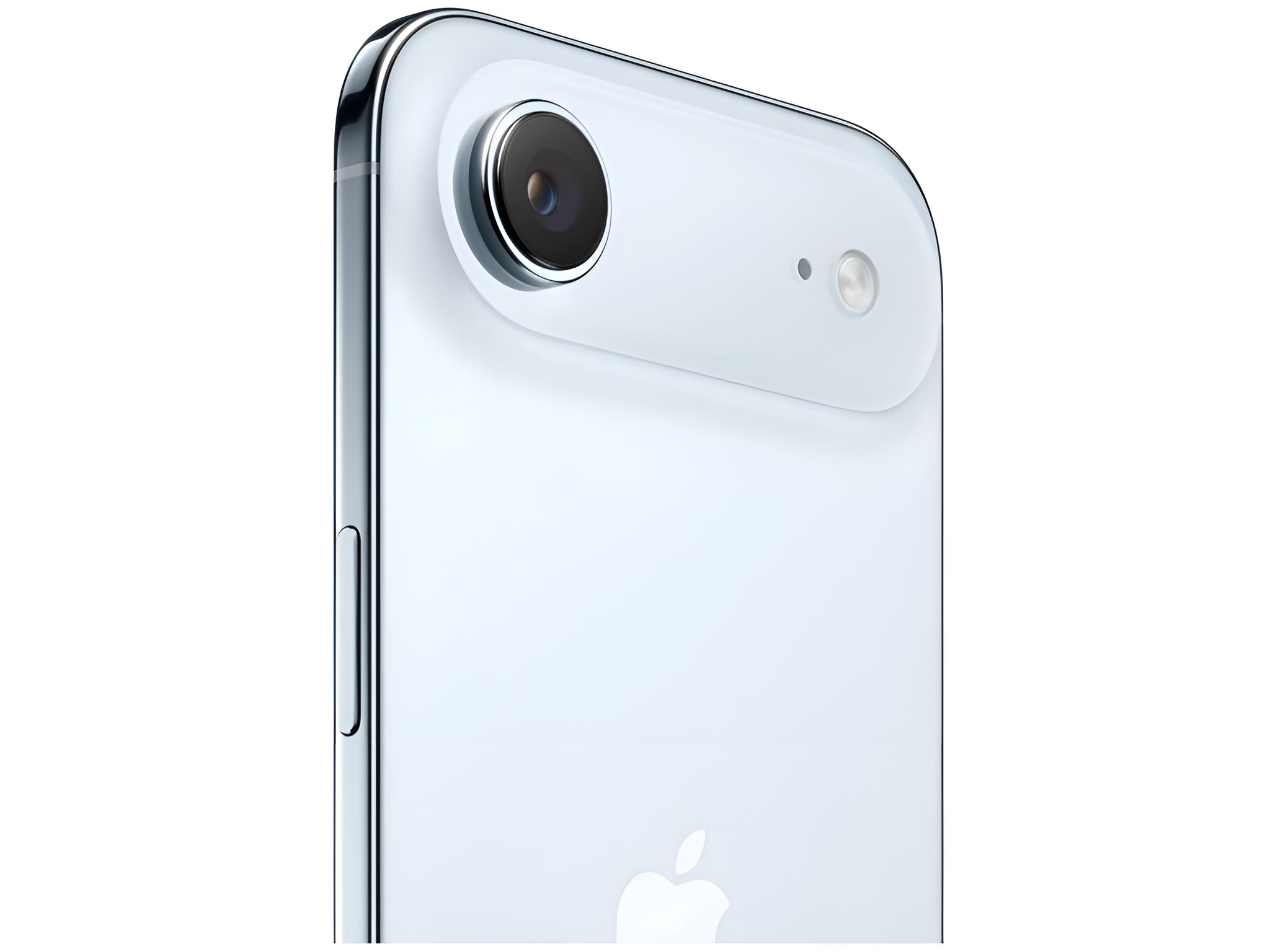
Apple’s struggle to keep its brightest creators in-house is back in the spotlight. Abidur Chowdhury, the designer who introduced the ultra-thin iPhone Air during the company’s September keynote, has departed for an AI startup, according to Bloomberg’s Mark Gurman. Interestingly, Chowdhury’s LinkedIn profile has yet to reflect the change.
Gurman indicates the move is not a reaction to iPhone Air’s sales performance. Internally, Apple always expected the model to account for only about 6% to 8% of annual iPhone sales. The device serves a different purpose: acting as a proving ground for new technologies and design directions rather than a mass-market bestseller.
Recent chatter suggested Apple might delay iPhone Air 2 until 2027 to add a dual-camera setup. Gurman isn’t convinced. Redesigning the phone’s flat “plateau” area just to upgrade the least-used camera, he argues, would be a heavy lift for a niche model.
A more plausible explanation sits under the hood. The next iteration is expected to revolve around the A20 chip built on TSMC’s advanced 2nm process. That platform would feature Wafer-Level Multi-Chip Module packaging, potentially integrating components like the SoC and DRAM directly at the wafer level for performance and efficiency gains. If supply of 2nm wafers is tight, adjusting the launch cadence makes strategic sense.
That could be why Apple is reportedly eyeing a spring 2027 debut for the iPhone Air alongside the iPhone 18 and iPhone 18e, rather than a fall 2026 release. Aligning timelines could help Apple balance component availability while showcasing the new silicon across multiple models.
Chowdhury’s exit also feeds a larger narrative: Apple’s ongoing talent drain across design, hardware, and interface teams. A group associated with Jony Ive has become a notable destination, with its efforts now tied to OpenAI’s ambitions for a screenless, pocketable device often framed as an “iPhone killer.” Reports indicate OpenAI has hired around two dozen former Apple staffers, including manufacturing design specialist Matt Theobald and human-interface lead Cyrus Daniel Irani.
For Apple, the stakes are twofold. First, safeguarding its design culture amid escalating competition for top-tier talent. Second, executing a seamless transition to next-generation chip technology that could define the iPhone Air’s identity. If the A20 on 2nm with advanced packaging is the centerpiece, a carefully timed launch could turn a perceived delay into a strategic advantage—especially if it delivers meaningful gains in efficiency, thermals, and AI performance.
In the meantime, Chowdhury’s move underscores how AI is reshaping the career trajectories of high-profile hardware designers. Whether Apple can continue to incubate breakthrough ideas while managing departures—and deliver a compelling second act for the iPhone Air—will be one of the more intriguing storylines heading into 2027.