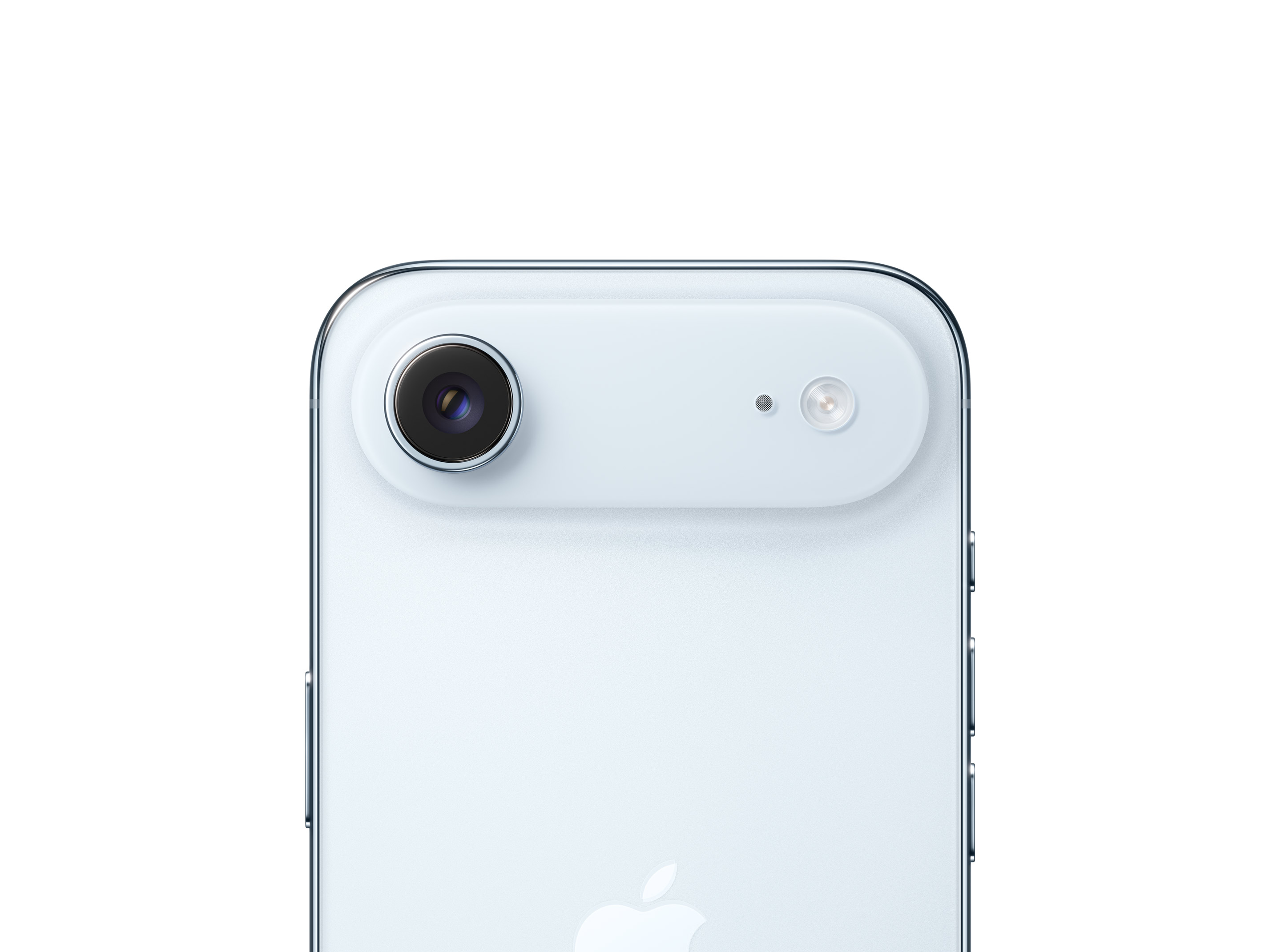
Apple’s new iPhone Air makes a bold first impression by doing more with less. Debuting alongside the iPhone 17 lineup, this ultrathin device — roughly 5.6mm compared to about 8.8mm for the 17 Pro models — pairs a minimalist design with an equally streamlined camera system: a single 48MP wide lens. The surprise is what that lone camera can do.
Early hands-on reports indicate the iPhone Air brings full-fledged Portrait capabilities to a single-camera iPhone. It can render natural-looking bokeh and sharp subject separation without needing a dedicated telephoto lens. Even better, Portrait mode on iPhone Air isn’t limited to people or pets. Objects like food, plants, and everyday items can get the same creamy depth-of-field effect, unlocking more creative options for social sharing and product-style shots.
A key upgrade is how the iPhone Air captures depth. It automatically saves depth information with every photo, so you can convert a standard image into a Portrait shot after the fact. That means you can decide to blur the background later, not just at the moment you press the shutter. You also get the expected tools you’d associate with higher-end models: Depth Control to adjust background blur intensity, Focus Adjustment to change the focal subject post-capture, and HDR in Portrait for richer highlights and shadows.
These features build on Apple’s next-generation Portrait improvements introduced in recent iPhones, but the Air stands out for delivering them with a single rear camera. That’s a meaningful step up from older single-camera models like the SE line or other value-focused iPhones that restricted Portrait mode to faces or animals.
In short, the iPhone Air isn’t just thin; it’s an unexpectedly capable mobile photography device. If you’ve ever wished you could refocus a shot later or give a latte, sneaker, or home-cooked meal that professional background blur without juggling lenses, the iPhone Air’s single-camera Portrait experience is designed to deliver.