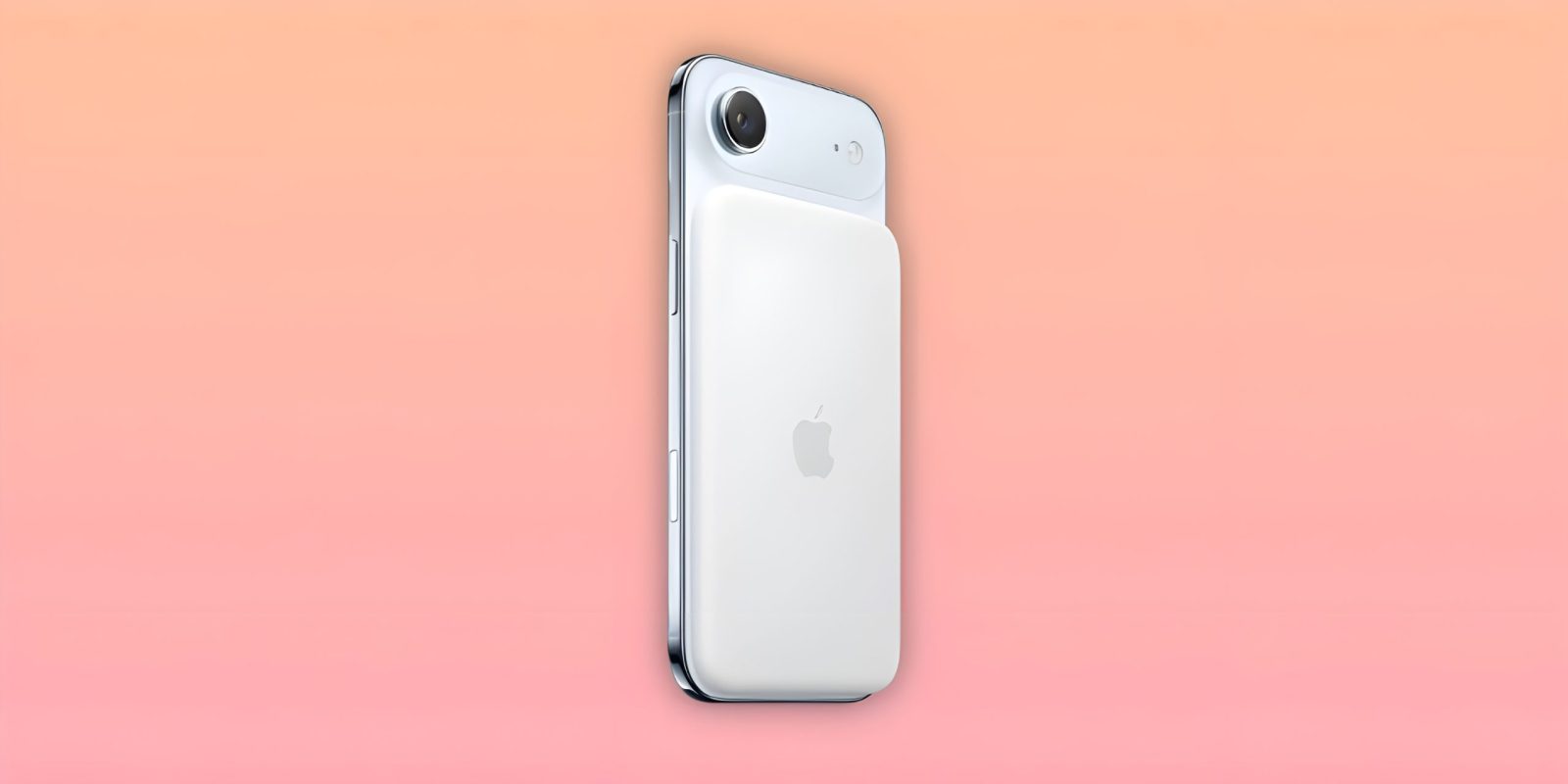
Apple’s thinnest iPhone to date, the iPhone Air, trades some stamina for style. To help offset that compromise, Apple built a matching MagSafe Battery Pack that’s just as sleek and easy to carry. A fresh teardown sheds light on how Apple pulled it off—and why real-world charging falls short of a full refill.
The standout detail is the battery cell. Inside the MagSafe Battery Pack is a 12.26 Wh cell measuring only 2.72mm thick, slim enough to fit within the iPhone Air’s 5.6mm frame. The surprise? It appears to be essentially the same battery cell Apple uses inside the iPhone Air itself, mirroring both shape and thickness.
So why does Apple say the pack tops the iPhone Air up to about 65 percent rather than delivering a full charge? That gap comes down to wireless charging losses. Inductive power transfer is convenient but not perfectly efficient, so a meaningful portion of energy is lost in the air between the pack and the phone. That inefficiency makes a 0–100 percent wireless refill unrealistic, even when the battery capacities look similar on paper.
The teardown also reveals thoughtful but pragmatic construction choices. The pack’s battery is enclosed in a durable plastic shell without the metal reinforcement used inside the phone. To keep it robust, Apple thickened the plastic housing, which makes the accessory slightly bulkier than the iPhone Air itself. The design team likely targeted a minimum size that balances protection, heat management, and usability rather than matching the phone’s razor-thin profile at all costs.
There’s a partial workaround for the wireless losses: charging via USB-C can reduce inefficiencies and help you squeeze more practical runtime from the pack. It still won’t turn the iPhone Air into a multi-day device, but it’s a handy, pocketable boost for travel days, long commutes, and photo-heavy outings.
Key takeaways:
– Ultra-thin design: 12.26 Wh battery at just 2.72mm, echoing the iPhone Air’s own cell.
– Shared DNA: The pack appears to reuse the same battery design found in the iPhone Air.
– Real-world top-ups: Expect roughly 0–65 percent via MagSafe due to wireless charging losses.
– Built for durability: Plastic enclosure without metal reinforcement, resulting in a slightly thicker accessory.
– Better efficiency with a cable: USB-C charging can offset some of the energy losses.
At $99, the MagSafe Battery Pack for iPhone Air isn’t meant to deliver days of endurance; it’s designed to be a slim, seamless safety net when you need extra juice. Would you add it to your everyday carry?