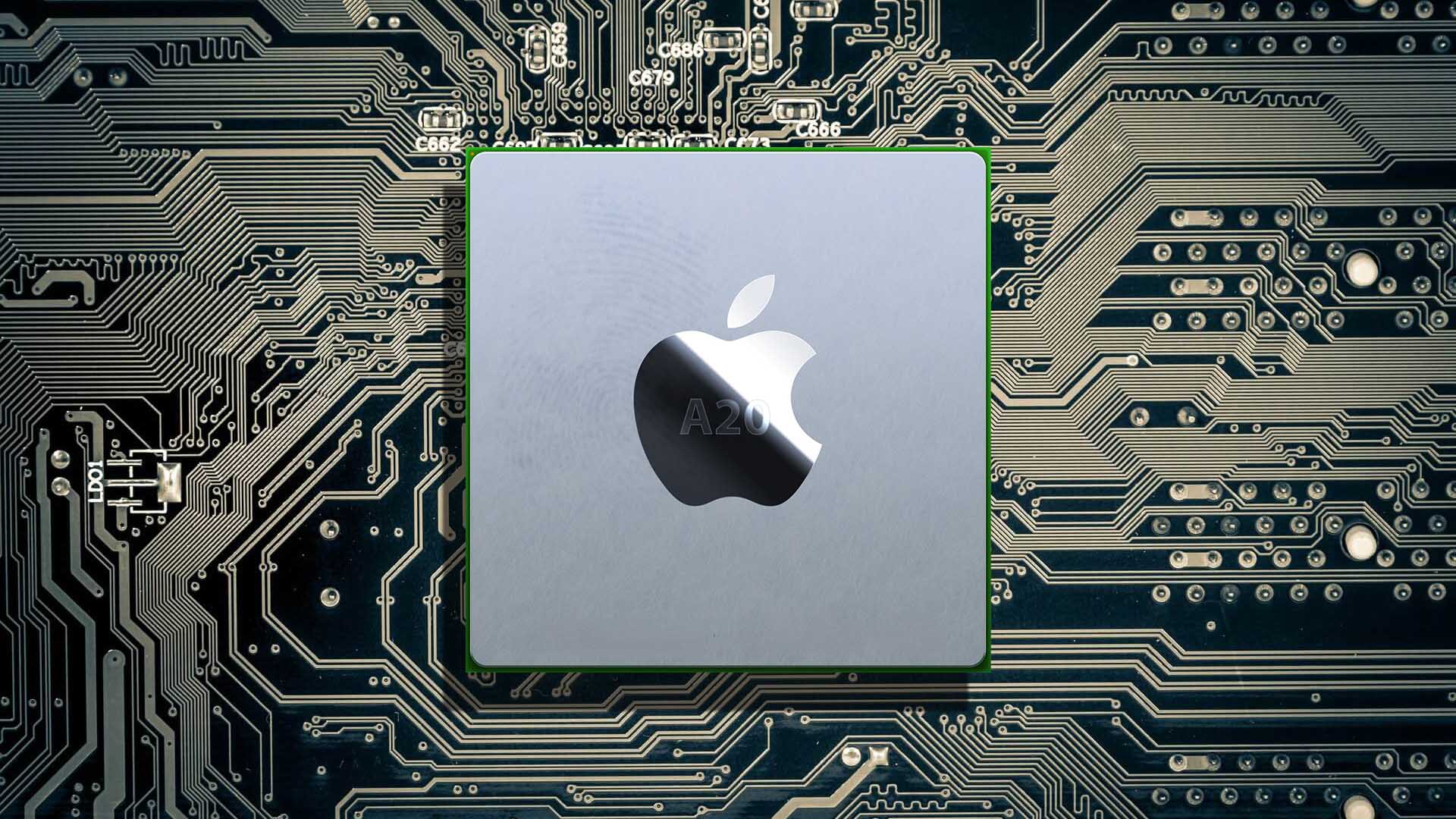
TSMC is gearing up to take the tech world by storm as it begins accepting orders for its cutting-edge 2nm technology starting April 1. Industry buzz suggests that Apple might just be the first to harness this advanced wafer technology, likely powering their upcoming A20 chip intended for the iPhone 18 series expected next year. There’s extensive chatter about TSMC’s progress in achieving robust production levels for its ground-breaking 2nm process.
The A20 chip is anticipated to pack a punch, delivering an impressive 15% boost in performance over its predecessor, the A19, all while maintaining the same power consumption. Although rumors initially suggested no performance gains since it was thought the A20 would utilize TSMC’s third-generation 3nm process, new insights have surfaced indicating otherwise. Notably, analyst Ming-Chi Kuo has weighed in, confirming that the A20 will indeed be built on the revolutionary 2nm node, potentially enhancing performance significantly.
Even if the performance upgrade sounds modest, this opens up exciting possibilities for efficiency. Apple might opt to lower the A20’s maximum power limit, cleverly reducing power usage without sacrificing performance. Plus, with Apple’s exploration into silicon-carbon batteries—capable of increasing capacity without adding bulk—the synergy between a larger battery and the A20 could spell unparalleled battery life for the iPhone 18 series.
While this shift to TSMC’s 2nm process is expected to improve performance per watt, it does come with a price tag. With wafers costing an estimated $30,000 each, Apple might need to adjust the starting price of iPhone 18 models featuring the A20. As the tech world watches closely, it’s clear that 2023 could herald a new era of innovation and efficiency in Apple’s flagship devices.