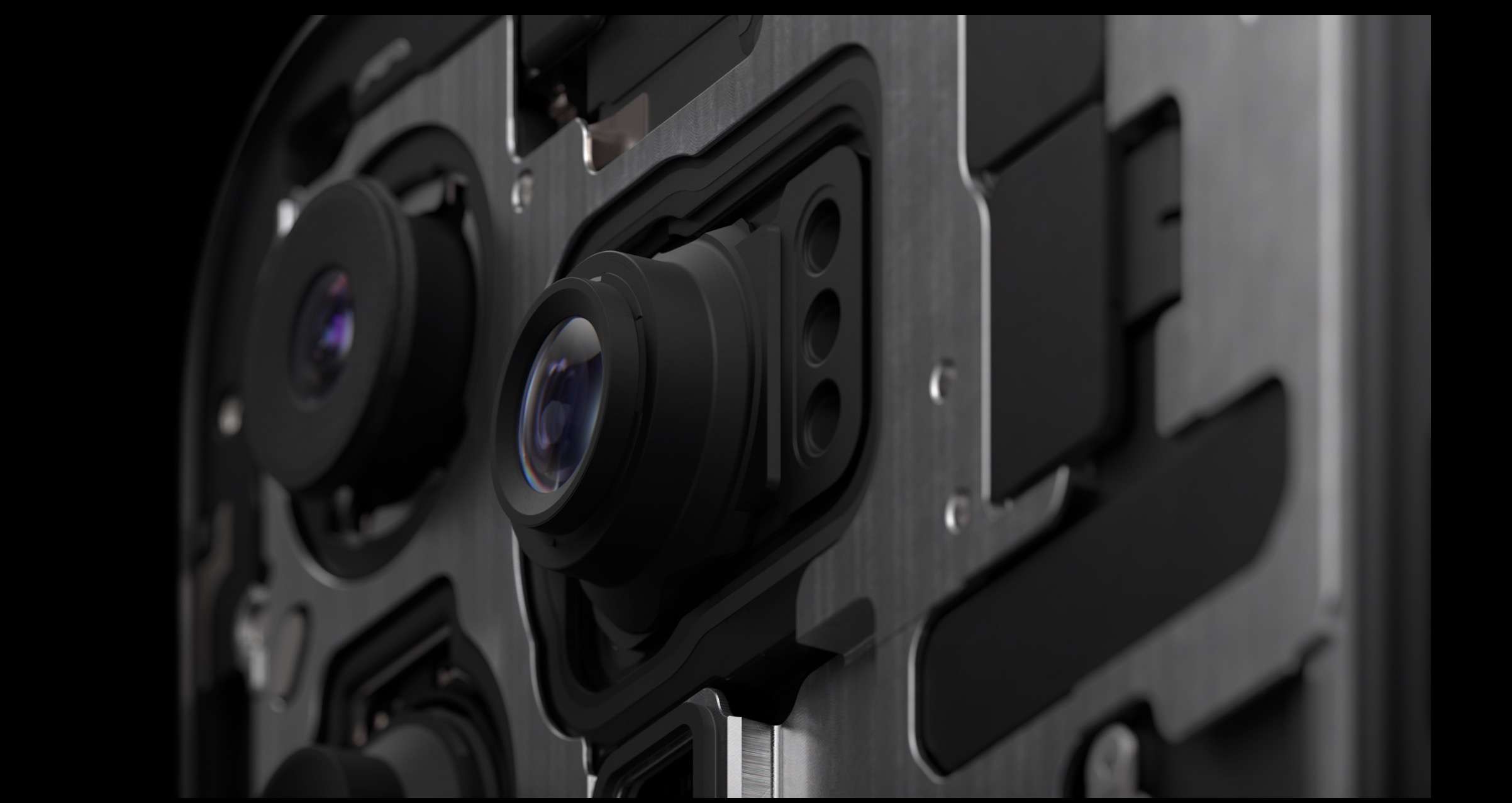
Apple is reportedly gearing up to give the iPhone 18 lineup a serious photography boost next year with variable aperture technology. If the latest supply chain chatter holds true, the upgrade will be reserved for the iPhone 18 Pro and iPhone 18 Pro Max, positioning the pricier models as the go-to choice for mobile creators who want the most control over stills and video.
What variable aperture could mean for iPhone photography
Variable aperture lets a camera physically adjust the size of its opening (the f-stop), allowing more or less light to hit the sensor. In practice, that means cleaner low-light shots without cranking ISO, better motion control, smoother background blur for portraits, and more flexibility when balancing exposure and depth of field. For video, it can help maintain consistent motion blur and highlight detail across changing lighting conditions—something computational tricks can’t fully replicate.
Why it’s likely a Pro-only feature
Multiple reports suggest Apple will keep this capability for the Pro tier. That aligns with the company’s strategy of packing its most advanced camera hardware into the premium models and using software enhancements to uplift the rest of the lineup. Expect a higher price to match, but also a meaningful step forward for both photography and videography compared to fixed-aperture systems.
How Apple plans to build it
According to ETNews, Apple has finalized its installation plan and is ramping toward commercialization. The report outlines a supply chain that includes:
– LG Innotek and Foxconn for manufacturing the variable-aperture module
– Luxshare and Sunny Optical for the actuator that opens and closes the aperture
– Largan as a secondary supplier for core components
– Besi, based in the Netherlands, for the aperture blades themselves
Analyst Ming-Chi Kuo has previously noted Sunny Optical’s leading role in the optics stack, with Largan helping cover remaining shipments. Taken together, the pieces point to Apple locking in the hardware it needs to scale the feature for the Pro models.
Context and competition
Apple hasn’t always been first to adopt certain camera hardware trends, especially compared to Android rivals. The iPhone 15 Pro Max, for example, brought Apple’s first periscope-style telephoto system years after other flagships experimented with similar long-range zoom. Variable aperture is another technology that debuted elsewhere—Samsung implemented it on the Galaxy S8 series—before fading due to added thickness and cost.
Those same trade-offs still matter today. Variable aperture mechanisms add complexity, which can increase component prices and make camera modules thicker. That helps explain why Apple might roll it out only on Pro devices initially. At the same time, rumors suggest Apple could adjust materials and internal layouts on upcoming models, which may give the company more headroom to integrate moving optics without compromising durability or design.
What to expect next
With the smartphone market reaching hardware maturity, meaningful camera upgrades have become a key way to stand out. Apple’s software ecosystem and computational photography are already strong; pairing them with a true variable aperture on iPhone 18 Pro and iPhone 18 Pro Max could deliver more natural-looking results in tricky lighting, richer bokeh, and more cinematic video.
There’s also the competitive angle. If Apple executes well and keeps thickness in check, it could push rivals to revisit the feature in future flagship cycles. Industry watchers are already speculating about how other manufacturers might respond if Apple’s implementation resonates with creators and enthusiasts.
As always, timelines and final specs can shift before launch, but the pieces are in motion. If ETNews and supply chain analysts are right, the iPhone 18 Pro line is on track to bring a tangible, enthusiast-grade camera upgrade that goes beyond software—and gives buyers a clear reason to spring for the Pro.