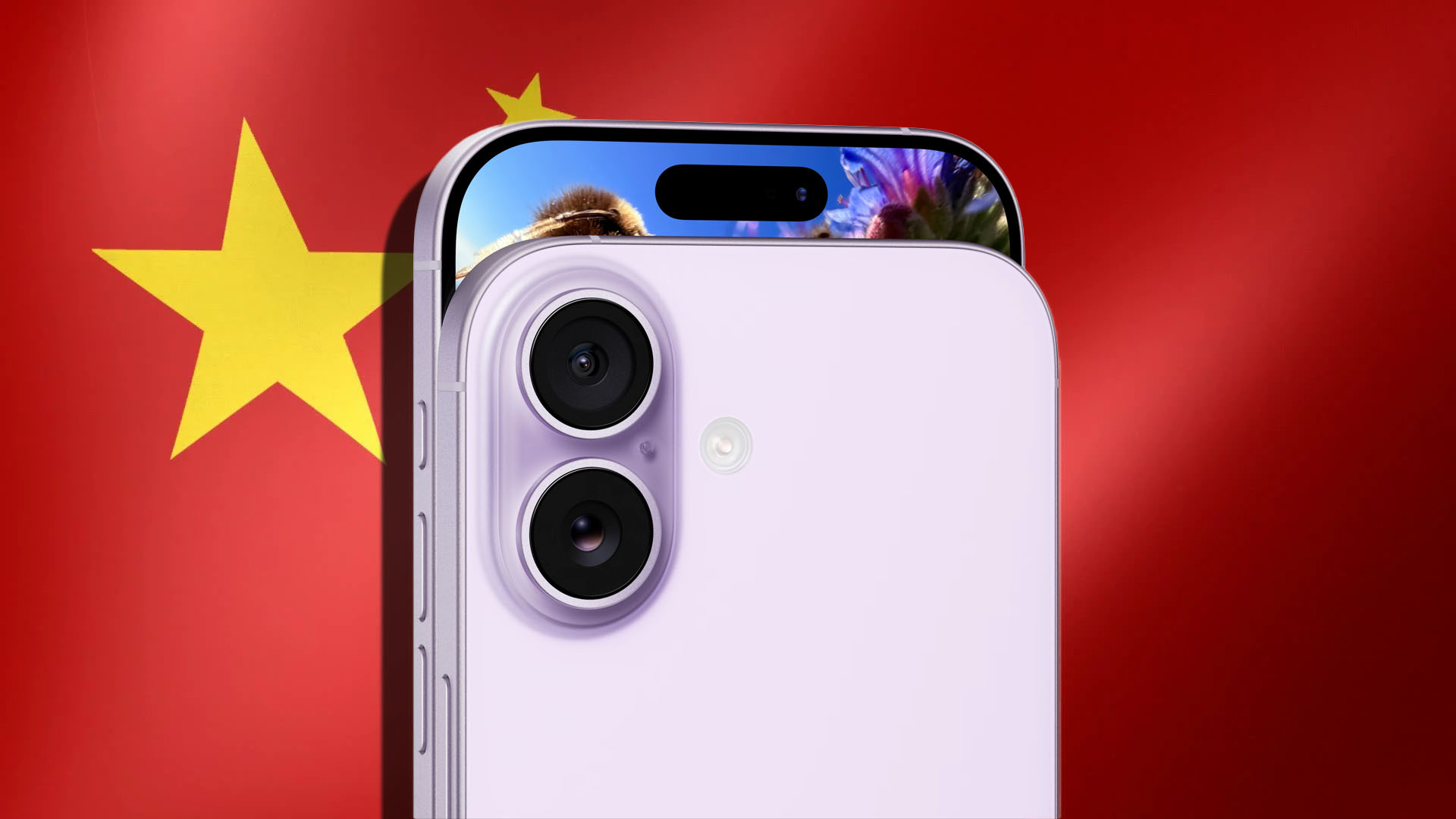
Apple’s iPhone 17 launch looks like a textbook example of how to win big with the “base model” strategy. By bringing premium hardware down to its standard iPhone—most notably an LTPO OLED display and the new A19 chip built on TSMC’s 3nm process—Apple made the entry-level iPhone feel far more like a flagship. Keeping the starting price at $799 while doubling the storage only made the deal harder to ignore, especially for shoppers who care about long-term value.
That value-focused approach is paying off in one of the world’s toughest smartphone battlegrounds: China. Even with intense competition, a deep lineup of alternatives, and strong consumer interest in domestic brands, the base iPhone 17 is reportedly closing in on a major milestone. New figures circulating from a well-known Chinese tipster indicate the device is on track to reach about 30 million activations, up from a previously cited 29.19 million. In practical terms, that’s a massive number for a single model—particularly one that isn’t positioned as the “Pro” option.
The iPhone 17’s momentum also lines up with earlier market research naming it the best-selling smartphone in Q1 2026. What’s different here is the emphasis on just how far that popularity extends in China, where competition is typically unforgiving and where brand loyalty can shift quickly if pricing and features don’t land perfectly.
A big reason the iPhone 17 continues to gain share is that rival brands are being pressured to raise prices on their own flagship phones. As costs climb—especially around key components—Apple’s decision to hold the line at $799 (while improving core specs) makes the iPhone 17 look even more attractive. When competitors get more expensive, a “good deal” iPhone doesn’t just sell well—it can start eating into market share.
Interestingly, the iPhone 17’s runaway success may also be influencing Apple’s future plans. While the iPhone 18 is expected to follow as the next generation, current talk suggests it may not deliver a similarly dramatic value leap—aside from one headline feature: Apple’s first 2nm smartphone chipset, widely expected to be called the A20. But there’s a potential complication that could shape the entire lineup: ongoing supply pressure tied to memory, with Apple reportedly facing tightening DRAM availability.
If that shortage forces Apple to raise prices, the iPhone 18 could lose the value advantage that helped the iPhone 17 surge in the first place. And that may explain why Apple could keep the iPhone 17 around longer than usual rather than quickly pushing it aside. When a product is selling at scale and still feels competitively priced, it makes sense to extend its life—especially if the next model risks launching into a more expensive, supply-constrained environment.
The broader business impact is hard to ignore. Apple has reportedly captured the majority of global smartphone profits in Q1 2026, while some major Chinese rivals continue to grapple with the same component challenges. If Apple keeps the iPhone 18 at $799 next year, it could open the door for a strategic price drop on the iPhone 17—an easy move that would likely extend demand even further and keep pressure on competing flagship devices.
For now, the takeaway is simple: by giving the base iPhone 17 true flagship-grade upgrades without raising its price, Apple created a high-demand device that’s surging in China, strengthening its profit dominance, and potentially reshaping the timing and pricing strategy for future iPhone launches.