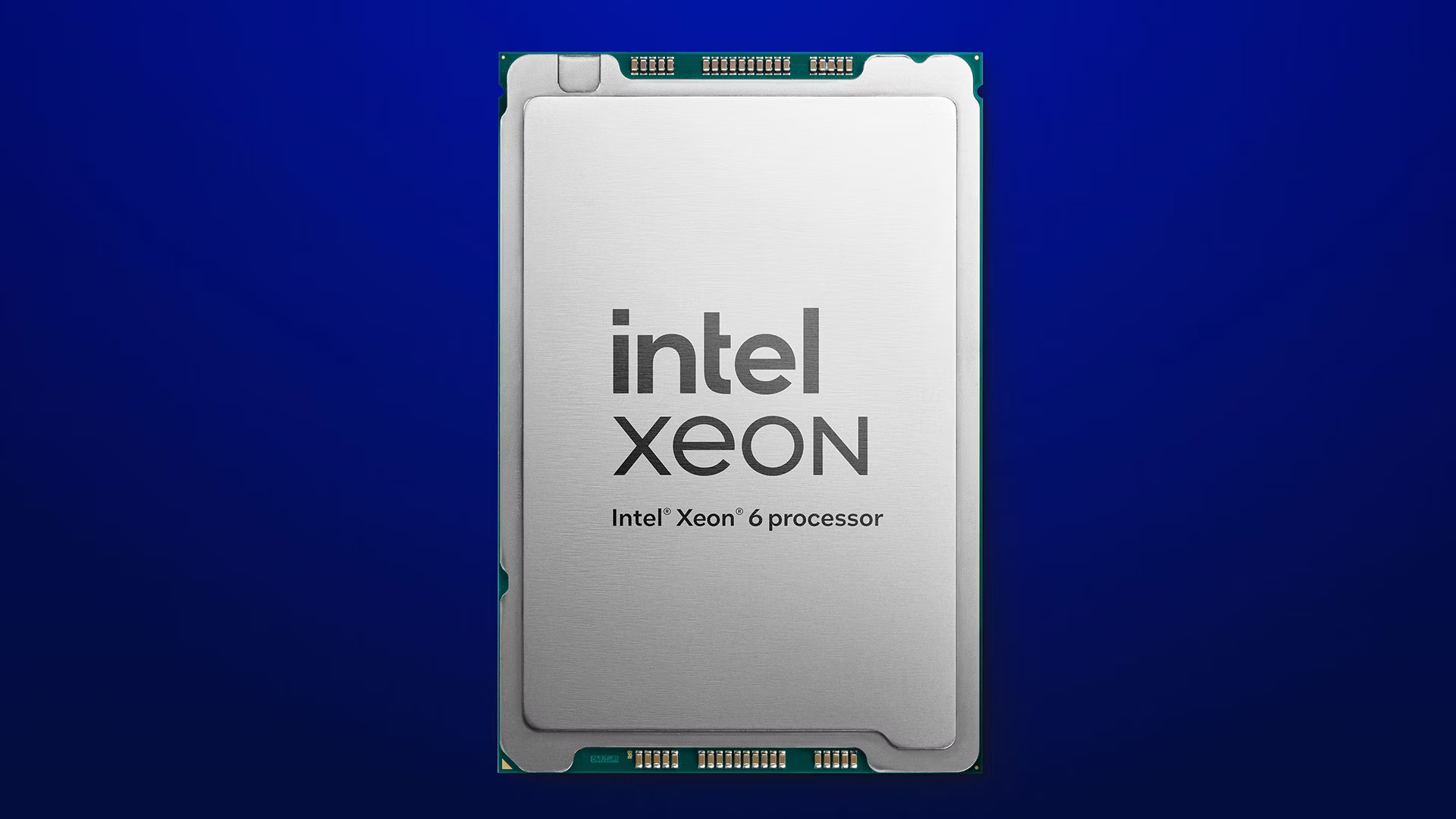
The Intel RS1 isn’t your typical Xeon 6 “Granite Rapids” CPU; it’s a unique processor that supports single-socket platforms and can accommodate up to a whopping 136 PCI-E 5.0 lanes. Unlike the high-power Xeon 6 lineup’s flagship models, which sit on the LGA 7529 socket, the RS1 targets a different market entirely—one that demands less power but still offers immense capabilities.
Just recently, Intel unveiled its E-core Sapphire Rapids Refresh, boasting more cores and cache, surpassing its predecessors. Now, they’re gearing up to roll out the P-core-based Xeon 6 series, also known as Granite Rapids, aimed squarely at the high-end market demanding top-tier computational performance. But there’s an intriguing twist.
The Xeon 6 P-Core series features a variant that deviates from using the LGA 7529 platform typical of the high-end Xeon 6900 processors. Enter the Intel Xeon 6 ‘RS1,’ a CPU designed for mid-range applications where workloads don’t necessitate the 128 cores found in the upper echelon Xeon 6900s. Interestingly, while some Xeon 6900 chips scale down to 72 cores, the RS1 can pack up to 80 Performance cores but is slotted into the Xeon 6700 package.
What’s particularly captivating about the RS1 isn’t merely its core structure; it’s the extraordinary support for PCI-E lanes. Unlike the Xeon 6900 series, which doesn’t overwhelm with PCI-E lanes, the RS1 shines with support for up to 136 PCI-E 5.0 lanes. This immense bandwidth capacity makes the RS1 incredibly appealing for storage-intensive applications at a more affordable price point.
An illustrative image highlights this impressive feature, confirming the RS1’s support for a single-socket design with up to 136 PCI-E 5.0 lanes. This attribute makes the RS1 an excellent candidate for storage-heavy workloads without breaking the bank.
While the high-end Xeon 6900 chips are reserved for dual-socket configurations and swing between 400-500W TDP, the RS1 is designed for a TDP range of 150-200W. It’s likely to operate on the LGA 4710 socket, which can handle up to 350W, providing a balanced power-performance ratio.
Moreover, the Intel Xeon 6 RS1 comes equipped with support for up to 64 lanes of CXL 2.0 (Compute Express Link). This feature enables high-speed connections between memory and accelerators, paving the way for versatile applications in AI workloads and data analytics. If Intel integrates accelerators like AI chips or FPGAs with the RS1, it could become a powerhouse platform for complex data tasks.
As Intel continues to innovate and cater to diverse market segments, the Xeon 6 RS1 stands out as a testament to their ability to blend power, efficiency, and cost-effectiveness. This makes it an exciting option for medium-scale enterprises, tech enthusiasts, and storage solution seekers alike.


