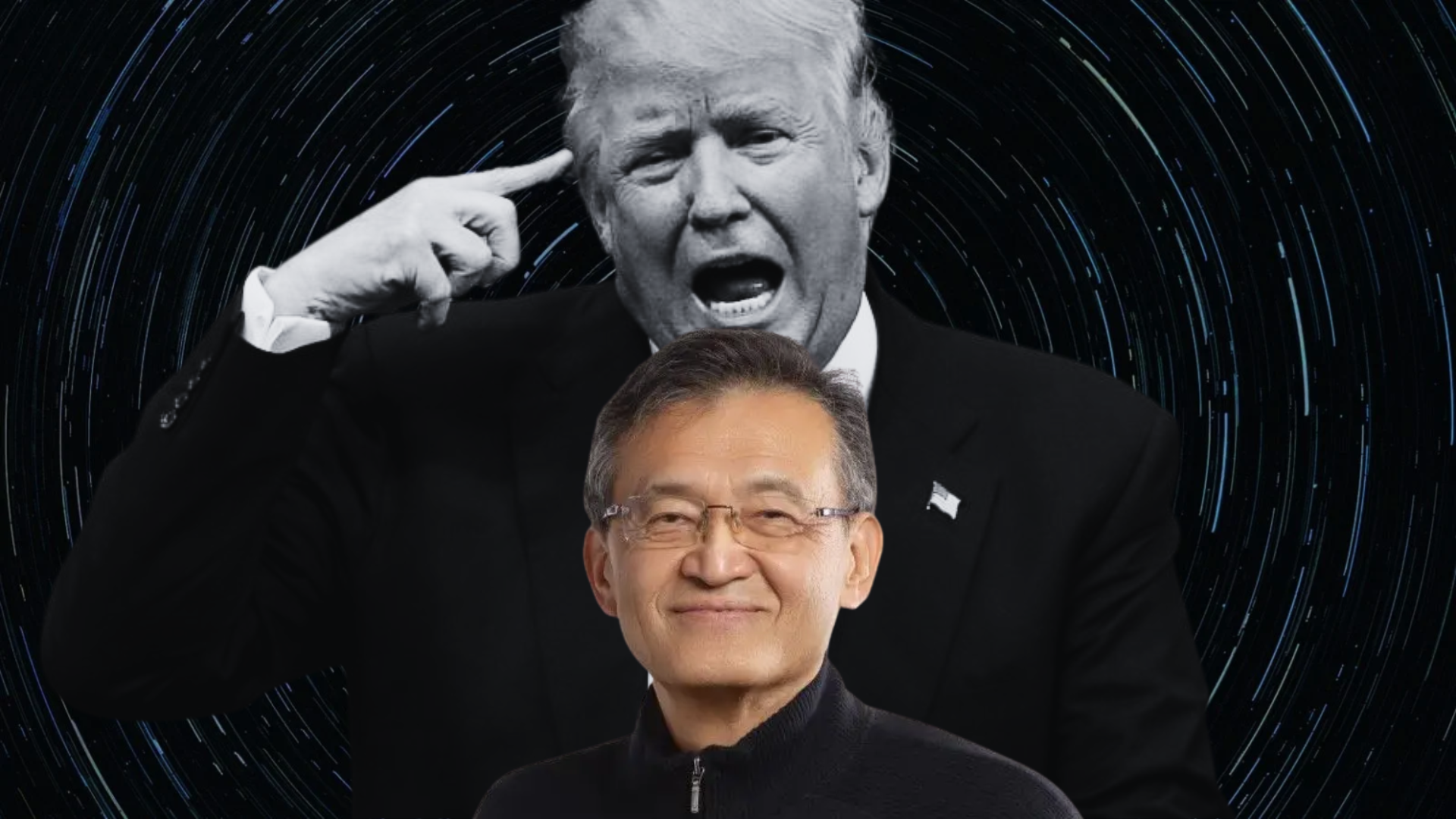
Intel is currently navigating through a series of challenges impacting its business and sustainability. With the U.S. administration expressing dissatisfaction with Intel’s top leadership, the road ahead looks increasingly tough.
The buzz started when President Trump publicly opposed Intel’s CEO, Lip-Bu Tan, due to concerns over his connections with Chinese entities. Senator Tom Cotton, known for his strong opinions on tech-related issues, raised alarms about potential national security risks linked to Tan’s past investments in China. This move sparked a debate about leadership and shareholder confidence within Intel.
Remarkably, President Trump praised former Intel CEO Andy Grove, highlighting his support for American manufacturing. Grove’s advocacy for creating jobs stateside and his alignment with the “Made in America” ethos seem to set the standard for presidential approval.
Despite being a hallmark of American innovation, Intel has faced criticism for lagging in the chip manufacturing sector, especially when compared to competitors like TSMC. Although the recipient of substantial CHIPS Act investments, Intel’s domestic progress has not met expectations, hindered by slowdowns in facilities and unmet technological promises.
Rumors of a potential Intel-TSMC merger have floated, but merging these industry giants with differing technologies and scales seems unlikely. An alternative could involve TSMC guiding Intel’s chip operations while maintaining separate identities, but this remains speculative.
Intel’s struggle extends to its consumer business, specifically its processors, with reports of difficulty in production and market adoption. The company’s strategy to leverage foundry services hasn’t borne fruit, with falling yields and internal challenges impacting decision-making.
The pathway to regaining market dominance is challenging. Adapting to shifts in consumer and shareholder demands will be crucial. President Trump’s comments on leadership only add to the urgency for Intel to reassess and strategize for a more resilient future. Those following Intel are eager to see it reclaim its position as a market leader in the tech landscape.


