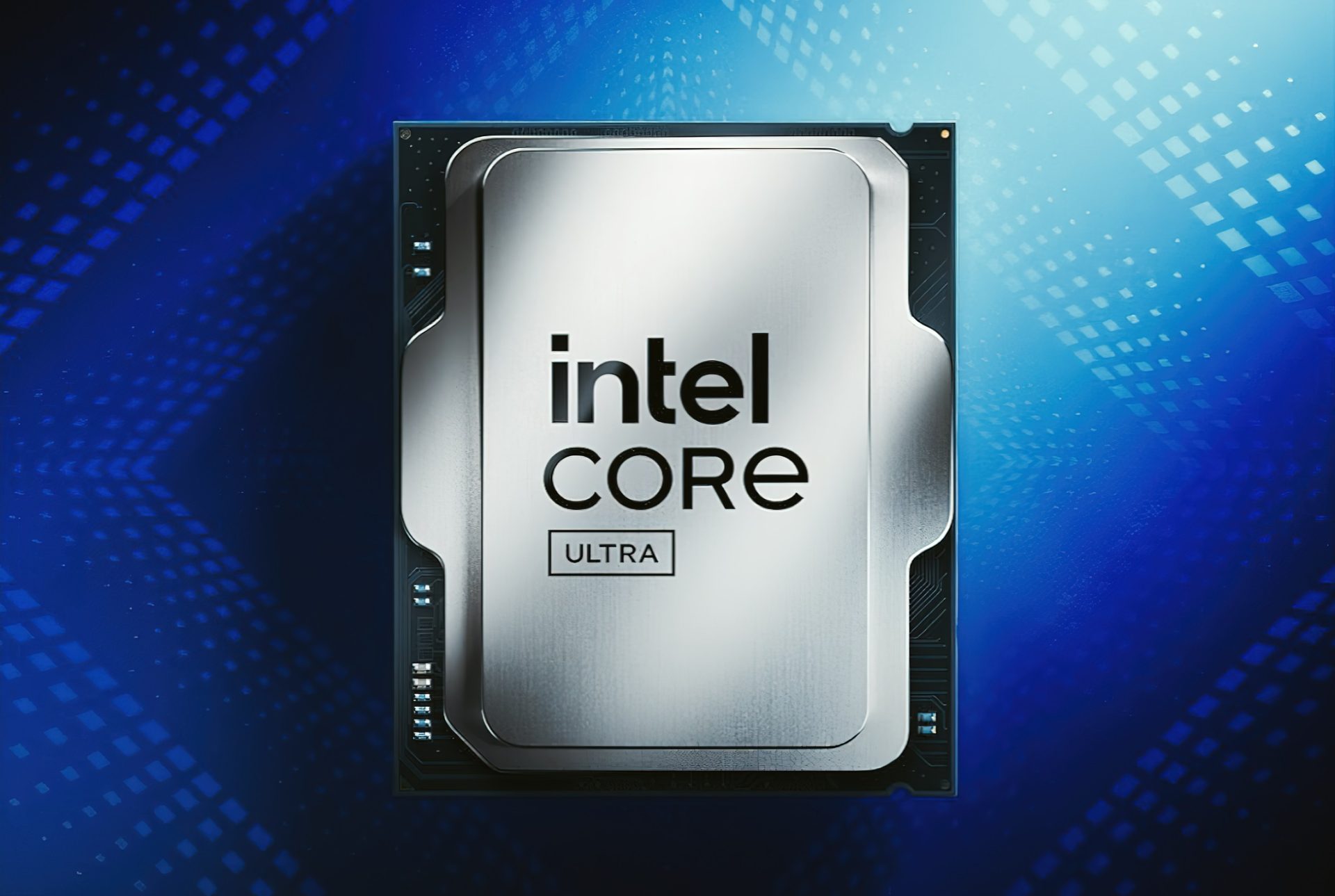
Intel is reworking its desktop gaming CPU strategy in a big way, and the goal is clear: deliver higher gaming performance over the next five years by attacking one of the biggest real-world bottlenecks in modern PCs—latency.
In a recent interview, Intel client CPU lead Robert Hallock outlined how the company is adapting to today’s desktop market, where AMD’s X3D processors have made a strong impact with their additional cache and gaming-friendly results. Intel’s takeaway is that it can’t treat that success as a one-off. Instead, it’s using it as a catalyst to rethink how its gaming CPUs are designed, tuned, and supported over multiple generations.
A major theme in Intel’s updated roadmap is that raw clock speed isn’t the only lever that matters anymore. According to Hallock, reducing latency can be more important for gaming than simply pushing higher frequencies. Intel points to improvements already seen in its newer desktop lineup, where better inter-chip latency delivered noticeable performance gains without needing frequency increases. In other words, Intel is aiming to make the CPU respond faster and more efficiently to game workloads, rather than just trying to overpower them with MHz.
Just as important, Intel is placing heavier emphasis on software optimization—something Hallock argues many PC gamers and even enthusiasts tend to underestimate. His message is straightforward: new hardware alone doesn’t automatically translate into the best performance. To get more frames and smoother gameplay, you also need smarter scheduling, better thread placement, and game-focused tuning that helps the CPU use its resources efficiently—especially as core counts increase.
That focus becomes even more critical as desktop CPUs scale up into 24 cores and beyond. Hallock notes that getting threads to the “right place” is effectively a latency problem too. If a game’s critical threads bounce around inefficiently, the experience can suffer even if the system is powerful on paper. That’s where Intel’s work on scheduling guidance and ongoing optimization efforts come into play, including continued updates tied to Thread Director and Intel’s broader performance tuning initiatives.
Intel is also addressing the cache conversation directly. While large cache designs can be a major advantage in certain games—particularly those with lots of random memory access patterns—Hallock describes big cache as a “brute force hammer” that won’t improve every workload. He suggests the biggest gains tend to show up in console-first titles or games built around older graphics APIs like DirectX 9 and DirectX 11, while newer APIs and more PC-optimized games may see less benefit from cache alone.
Instead of relying solely on larger cache to win gaming benchmarks, Intel is leaning into a different approach: extracting additional performance through targeted game-level optimizations. One of the tools it highlighted is its Binary Optimization Tool (BOT), designed to squeeze out additional performance that users typically wouldn’t access through hardware upgrades alone. Intel claims this type of software-driven approach can unlock meaningful gains in certain cases, potentially in the 10% to 30% range, depending on the game and scenario. While BOT may be a smaller project internally, Intel says it has ambitious plans for it as part of a broader overhaul that includes both software and hardware roadmap changes.
Beyond desktops, Intel also briefly teased what it’s doing for gaming handhelds. Hallock mentioned Arc G3, a next-generation chip aimed specifically at handheld gaming devices. The notable detail: Intel says this isn’t simply a laptop part repurposed for handhelds. It’s described as a dedicated design intended to better balance performance and power for portable form factors. Arc G3 is expected to be based on Panther Lake silicon, with a stronger focus on handheld-specific needs. Early devices featuring this platform are anticipated to start appearing around the Computex timeframe.
Taken together, Intel’s message is that the next era of PC gaming performance won’t be defined by a single spec like clock speed or cache size. The company is betting that lower latency, smarter threading behavior, improved scheduling, and consistent software optimizations—paired with meaningful platform improvements—are what will make future Intel gaming CPUs more competitive and more compelling for enthusiasts building high-end desktops.