Intel Sees a $200 Billion CPU Opportunity as Agentic AI Demand Accelerates
Intel CEO Lip-Bu Tan believes the rise of agentic AI could dramatically reshape the server processor market, potentially pushing CPU demand to more than $200 billion within the next five years.
Speaking during Intel’s latest earnings call, Tan argued that CPUs are positioned to play a much larger role in artificial intelligence infrastructure than many industry observers currently expect. While GPUs have dominated the AI conversation due to their strength in training and complex reasoning workloads, Tan emphasized that CPUs may be better suited for the growing wave of AI agents performing repeated, practical tasks at scale.
According to Tan, the next phase of AI will not be defined only by massive model training or high-end reasoning workloads. Instead, he expects a rapid expansion of digital agents that can carry out everyday computing tasks, automate workflows, retrieve information, and operate in the background with minimal human input.
Tan has previously described using agentic AI in his own routine, saying he runs AI agents overnight to complete research and “homework” so he can review the results the next morning. That real-world usage, he suggested, points to a future where millions or even billions of digital agents are constantly working across businesses, personal devices, cloud platforms, and enterprise systems.
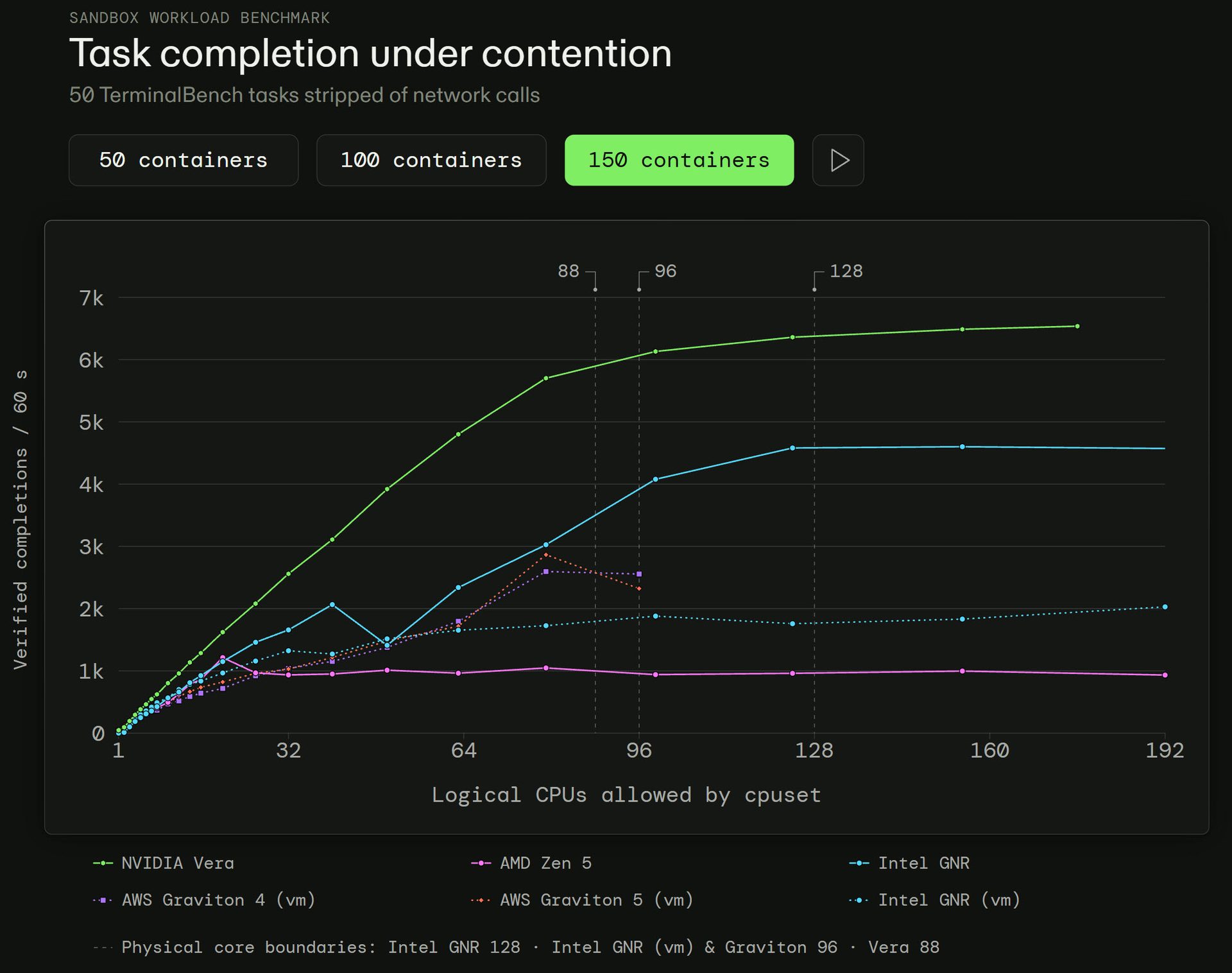
The Intel chief said this shift could become a major growth driver for server CPUs. He estimated that the total addressable market for server processors could rise fivefold, from around $40 billion today to more than $200 billion over five years, largely due to agentic AI workloads.
Tan’s argument centers on energy efficiency. He said GPUs remain highly effective for “thinking tasks,” particularly where large-scale reasoning and parallel processing are required. However, for deterministic tasks — operations with predictable, structured outcomes — he believes CPUs can be far more efficient.
He noted that some GPU-based AI reasoning queries can consume multiple watt-hours of energy, while a single CPU query may require only joules. As companies become more concerned about the rising power demands of AI data centers, this efficiency advantage could become increasingly important.
Energy consumption has become one of the biggest challenges in the AI buildout. Data centers are expanding rapidly, and the cost of powering AI infrastructure is now a major consideration for cloud providers, enterprises, and governments. If agentic AI becomes as widespread as expected, businesses may look for hardware that can deliver reliable performance without excessive energy use.
That is where Intel sees an opening. The company believes its CPU portfolio can serve a growing class of AI workloads that do not always require GPU-level processing power. As AI agents become more common in enterprise software, productivity tools, customer service systems, coding platforms, cybersecurity, and data analysis, Intel expects CPUs to handle a significant share of those tasks.
Tan’s comments also come as Intel continues to broaden its long-term computing strategy beyond traditional processors. The company recently acquired quantum computing software firm Classiq, a move Tan said will strengthen Intel’s position in the emerging quantum market.
Classiq is known for its hardware-agnostic quantum software platform, which allows users to build and explore quantum applications across different types of quantum hardware. Tan said this approach gives more customers a way to experiment with quantum computing and could help accelerate commercial adoption.
Intel already has internal quantum hardware and software efforts, and Tan described the acquisition as a strong complement to those existing capabilities. He said the deal will allow Intel to expand its compute platform beyond CPUs, GPUs, and ASICs to include quantum processing units, or QPUs.
More importantly, Tan suggested that the acquisition could help Intel become a “full stack revenue-generating quantum computing company.” That means Intel aims to offer a broader set of technologies across hardware, software, and platform layers rather than focusing on a single part of the quantum ecosystem.
The combination of agentic AI and quantum computing highlights Intel’s attempt to position itself for the next major era of computing. While the company has faced intense competition in AI accelerators and advanced chip manufacturing, Tan’s latest remarks show that Intel sees CPUs as far from obsolete in the AI age.
Instead, Intel is framing CPUs as a practical, efficient, and scalable engine for the coming wave of AI agents. If Tan’s forecast proves accurate, the AI market may not be driven by GPUs alone. CPUs could become a critical part of the infrastructure needed to run millions of intelligent agents efficiently, creating a massive opportunity for Intel over the next five years.