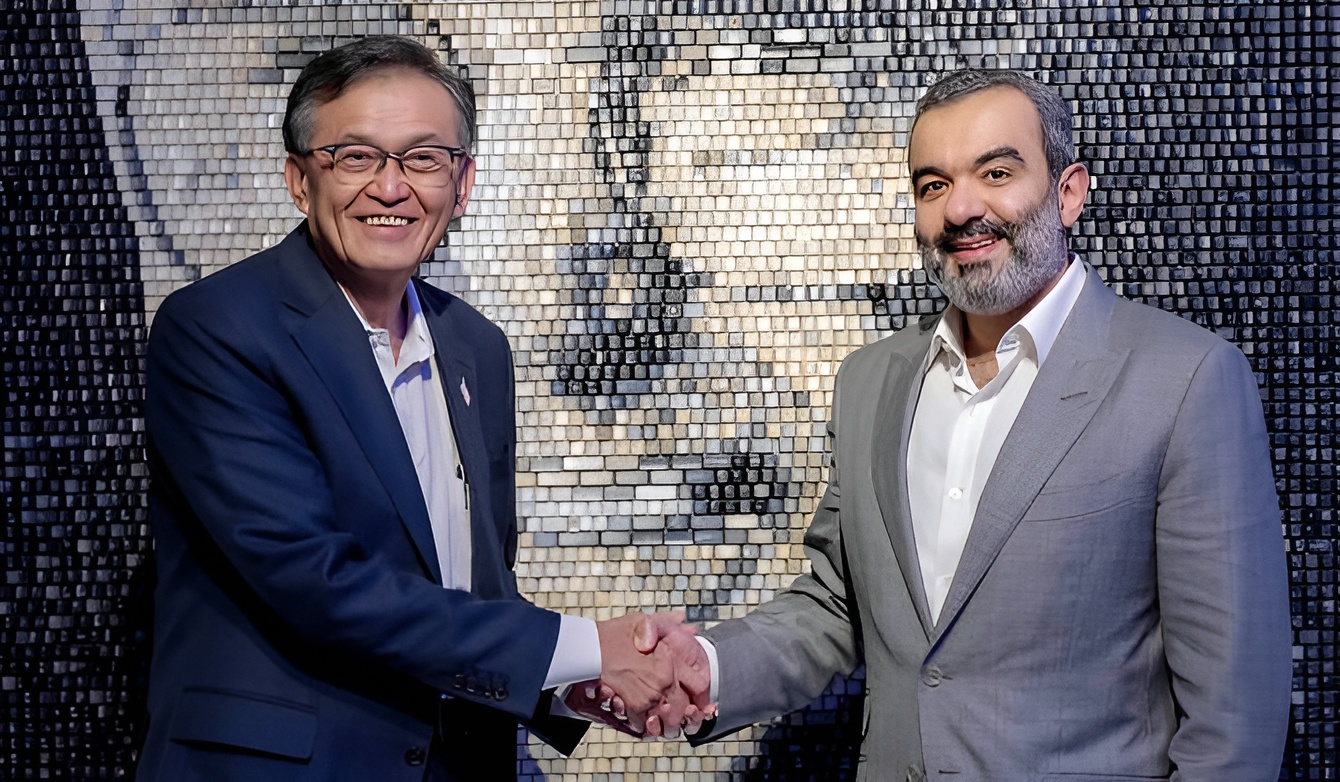
Intel is exploring a high-stakes partnership in the Middle East as CEO Lip-Bu Tan meets with Saudi Arabia’s Minister of Communications and Information Technology, Abdullah Al-Swaha, to discuss collaboration across semiconductors, advanced computing, AI infrastructure, and future technologies. While the specifics remain under wraps, the talks signal a potential new capital front for the American chipmaker as it works to stabilize its finances and regain momentum in the global chip race.
Team Blue has spent recent months pursuing breakthroughs on multiple fronts: reshaping its foundry strategy, shoring up the balance sheet, and aligning with heavyweight partners. The company has already been linked with major players like NVIDIA and SoftBank, alongside outreach to U.S. policymakers—moves that reflect a broader effort to secure funding, technology alliances, and market confidence.
Saudi Arabia’s interest arrives at a pivotal time. Gulf economies are accelerating their shift away from oil by investing heavily in technology, with AI and semiconductors now core to national strategies. While the kingdom has limited experience in manufacturing, it has deep pockets and a growing appetite for large-scale tech ventures—two factors that make a semiconductor partnership particularly compelling.
A Saudi-backed collaboration could take several forms. Joint development in advanced computing and AI infrastructure seems likely, and the idea of a future chip facility in the region can’t be ruled out. There’s precedent for interest in the Gulf: a neighboring country previously approached a leading Asian foundry about building advanced fabs, though that effort reportedly stumbled over labor costs and supply chain constraints. Intel, by contrast, is actively seeking large-scale investment, and its ties to investors connected with the region could help underpin an ambitious build-out.
For now, this remains exploratory—but the strategic logic is clear. A deal could give Intel access to fresh capital and new growth markets while helping Saudi Arabia accelerate its technology ambitions. It could also diversify the global semiconductor ecosystem at a time when AI demand is surging and supply chains are being reimagined.
Watch for early signals such as memorandums of understanding, co-investment announcements, AI data center initiatives, or workforce development programs. If these talks progress, they could reshape Intel’s roadmap and further establish the Middle East as an emerging hub for semiconductors and artificial intelligence.