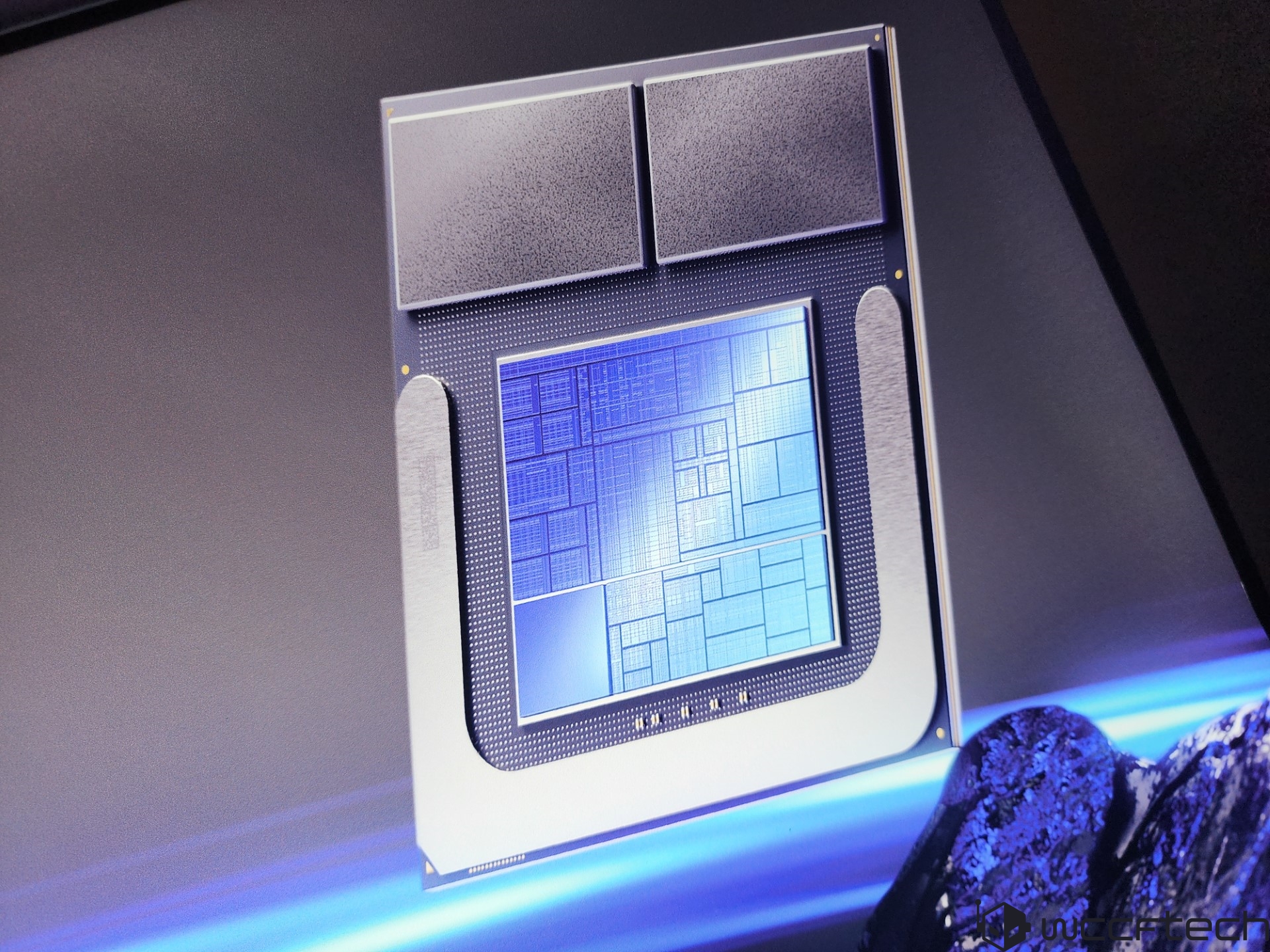
The unveiling of Intel’s groundbreaking Lunar Lake CPUs has captured the attention of technology enthusiasts and industry insiders at Computex 2024. The progression of this CPU series is remarkable from an architectural perspective, and the spotlight is on the finalized silicon of Intel’s Core Ultra 7 268V, which is now ready for distribution.
Intel’s Core Ultra 7 268V: 8 Cores and Elevated Clock Speeds
The Core Ultra 7 268V by Intel is an 8-core chip that incorporates a synthesis of 4 P-cores stemming from the Lion Cove architecture and 4 E-cores rooted in the Skymont architecture. In a live demo, its presence was confirmed under its official name, pointing to an ambitious leap forward in performance. The base clock speed recorded was 2.20 GHz, which aligns closely with that of the higher-tier Core Ultra 9 185H built on the Meteor Lake design, with the latter showing a 2.3 GHz base clock. The 14 MB L3 and 12 MB L2 cache further underpin the potent capabilities of the Core Ultra 7 268V. The frequencies observed for this chip were impressive, regularly hitting the high 4 GHz range and approaching the 5 GHz mark, which shines a positive light on this TSMC-manufactured piece of silicon.
The Intel Core Ultra 7 268V is not only about the CPU; the SOC also integrates 8 Xe2 GPU cores, boasting performance improvements of up to 50% over the previous generation. Additionally, the implementation of the NPU4 design in the NPU offers up to 48 TOPs, setting a new standard for processing power.
Early Samples Versus Finalized Silicon
Early engineering samples of Lunar Lake CPUs were also present at Computex, though they exhibited a comparatively modest 1.6 GHz clock speed and were equipped with an 8 MB L3 cache. These initial samples did not match the performance of the final silicon units, emphasizing the evolution and optimization of the CPUs from their early stages to the final product ready for commercial use.
Exploring Lunar Lake Platforms and Compatibility
Among the array of innovations, two platforms operating Core Ultra 200V CPUs were identified. Within these, one appeared to be the Lunar Lake “LNL-M” reference evaluation platform, characterized by a distinctive red and silver heatsink, complimented by an active cooling solution. With a listed production window pointing to the latter part of 2023, this model reveals characteristics such as a specific BGA grid array and a package size of 27.5 x 27.0, consistent with preceding disclosures about Lunar Lake chips.
DevKit: Fostering AI Development on Lunar Lake
A more intriguing offering is the new AI DevKit tailored to the Lunar Lake “Core Ultra 200V” platform. Although currently limited to Lunar Lake CPUs, its design is future-proof, ensuring compatibility with forthcoming CPUs, including Panther Lake and Nova Lake. This DevKit paves the way for developer engagement in expanding Lunar Lake’s AI capabilities, with the anticipation that these optimizations could, in turn, boost the CPU’s performance in AI tasks. Intel’s strategy to release these kits alongside Lunar Lake’s Q3 2024 launch suggests a commitment to fostering a collaborative ecosystem for innovation.
As the anticipation for Lunar Lake’s official launch in Q3 2024 continues to build, such advancements underline Intel’s dedication to pushing the boundaries of processing power, GPU performance, and AI capability, reshaping the landscape for developers and end-users alike.


