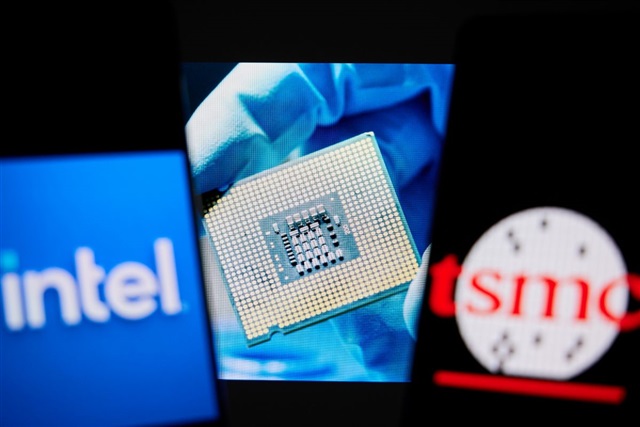
As demand for advanced chipmaking continues to surge, TSMC’s manufacturing capacity is facing growing pressure from a tight supply-and-demand balance. That crunch is creating ripple effects across the semiconductor industry, and it’s also opening the door for a surprising shift in momentum: Intel is beginning to look like a serious comeback story.
Not long ago, many observers saw Intel as a legacy giant struggling to keep pace in an era defined by cutting-edge process nodes, massive AI workloads, and relentless competition. But the current environment is changing the conversation. With TSMC’s production lines increasingly stretched, the industry is paying closer attention to alternative options that can deliver reliable output at scale.
Intel’s revival is gaining credibility in large part because of the company’s push to strengthen its manufacturing position and rebuild confidence across the supply chain. In a market where dependable capacity can be just as valuable as the most advanced technology, Intel’s ability to secure supplier support and demonstrate progress is becoming a key advantage.
The bigger takeaway is that the semiconductor landscape is evolving into a multi-player race for manufacturing capacity, not just a contest of who has the smallest nanometer number. As TSMC capacity pressure mounts, Intel’s reemergence is starting to look less like wishful thinking and more like a realistic industry realignment—one where chipmakers and suppliers diversify, reduce bottlenecks, and look for new production pathways to meet soaring global demand.


