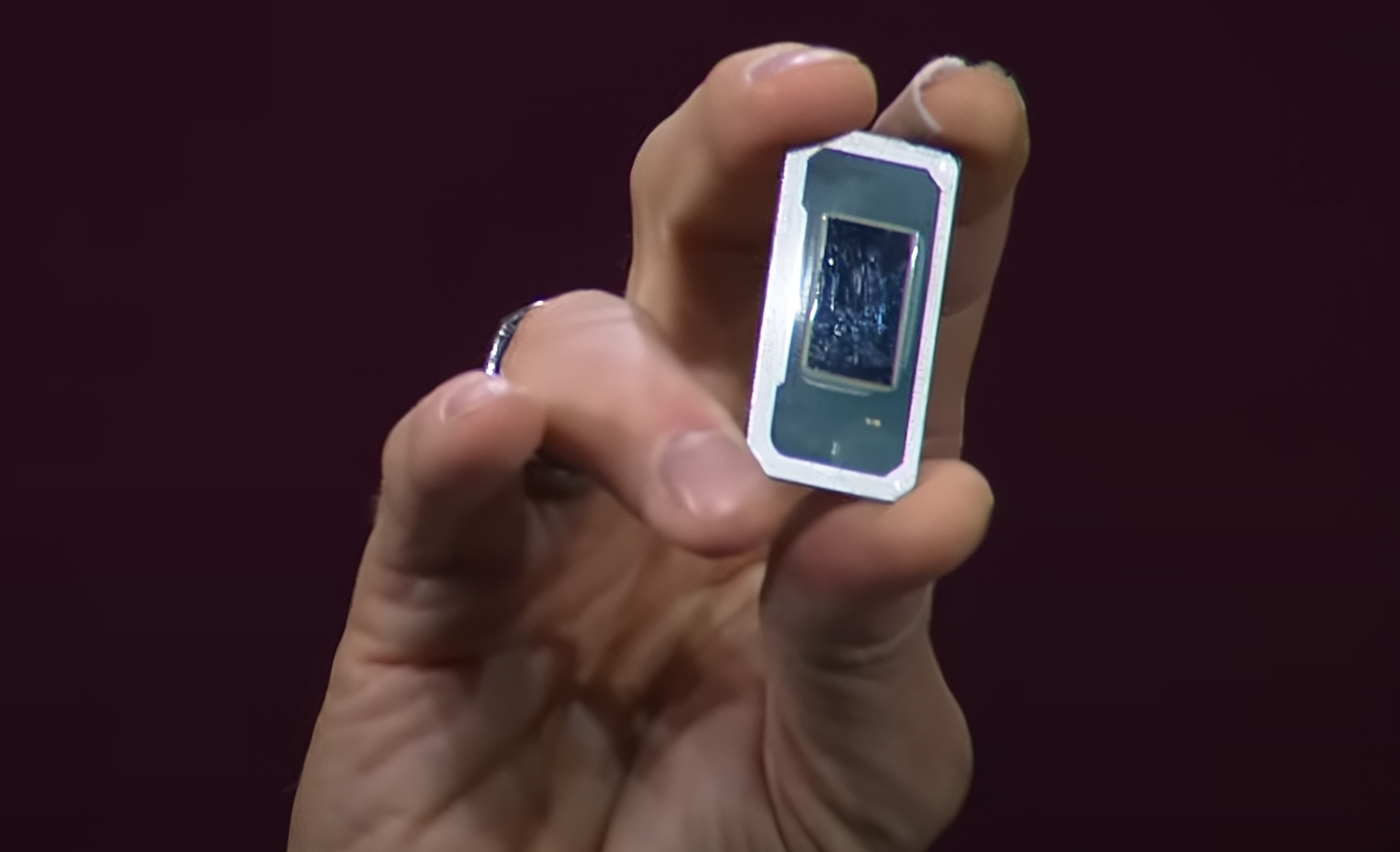
Intel’s eagerly awaited 18A process is facing some uncertainty, with rumors suggesting a delay in high-volume manufacturing to next year due to unsatisfactory yield rates.
Intel is determined to achieve nearly flawless output and isn’t moving forward with the 18A yields until they meet their standards for high-volume production. Amid political and economic challenges, the future of their foundry division seems uncertain. An internal source hints that the 18A process might only be ready by 2026 due to current yield issues, potentially impacting the Panther Lake lineup.
Originally, Intel planned to use the 18A process for mass-producing the “Panther Lake” laptop CPU by year-end, hoping to attract external clients. However, it seems full-scale production might be delayed to 2026.
Although this news might seem discouraging at first glance, it’s consistent with Intel’s internal timeline that aimed to scale up production by early 2026. CEO Lip-Bu Tan is committed to not settling for subpar yields, with current reports suggesting a range of 55% to 65%.
Historically, Intel has proceeded with lower yield rates in the HVM stages, leading to financial losses and compromised product quality. This time, the focus is on achieving higher yields with the 18A process, positioning Intel more favorably against competitors like TSMC and aiming to enhance shareholder value amidst economic challenges.
Despite the uncertainties, Intel is pushing for a breakthrough by setting rigorous standards and taking decisive actions to strengthen its position in the market.