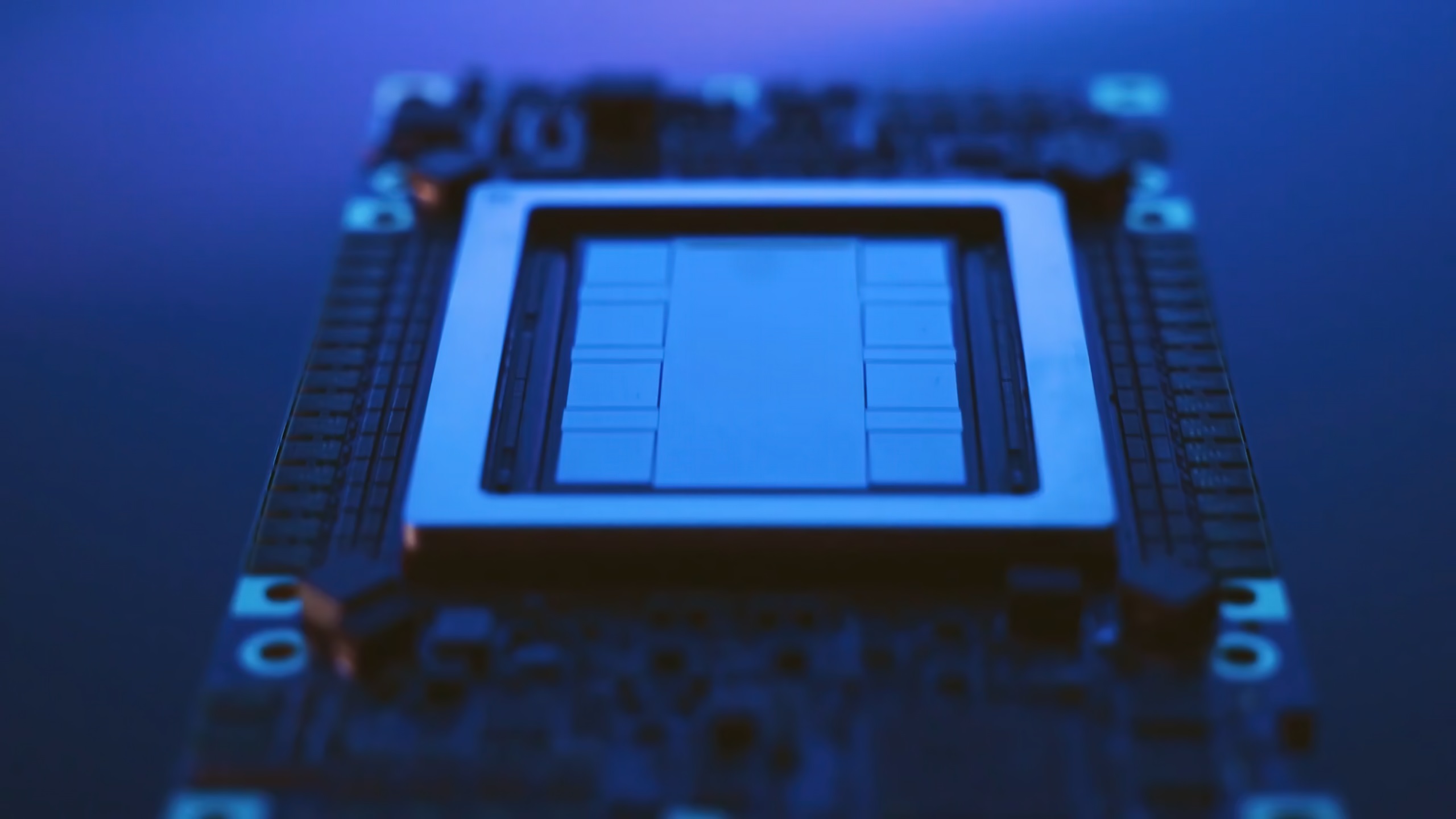
Intel is advancing into the future of AI technology with a new powerhouse in their GPU lineup, unveiling their latest development codenamed “Jaguar Shores.” This next-generation AI GPU is set to revolutionize faster AI inference operations, likely harnessing Intel’s homegrown 18A manufacturing node to maximize efficiency and performance.
While Intel may be under pressure in some market areas, its strategic focus on both client and server platforms remains sharp. Beyond the recently leaked Battlemage GPUs, Intel is setting its sights on expanding its portfolio to include cutting-edge AI chips. These new chips, aside from those built on the Intel Gaudi platform, are aimed at bolstering Intel’s presence in the high-performance computing sector.
At a recent SC2024 conference, Intel lifted the curtain on its ambitious roadmap for future AI workload solutions. With the Jaguar Shores project, Intel is poised to succeed the Falcon Shores GPU, which is scheduled for a 2025 release. This move marks a significant shift as Intel pivots from a hybrid GPU-CPU model toward dedicated GPUs specifically designed for AI inference.
Jaguar Shores aims to incorporate a GPU-ASIC design, enhancing its AI inference capabilities. The use of Intel’s advanced 18A node, featuring innovations such as RibbonFET and backside power delivery, is expected to unlock new levels of efficiency and performance. With the integration of these technologies, Intel hopes to corner a significant share of the AI inference market, positioning itself against heavyweights like NVIDIA and AMD.
These advancements underscore Intel’s commitment to leveraging its x86 architecture while focusing on cost-effective and enterprise-oriented AI solutions. Despite outsourcing certain chip productions to companies such as TSMC, Intel’s ambitious trajectory involves utilizing its 18A technology across various projects, including the 2026 launch of the Clearwater Forest chips, and eventually transitioning to the in-house 14A process node by 2027.
Competition in the arena is fierce, with both NVIDIA and AMD already having clearly marked roads to future high-performance GPUs. Nevertheless, Intel is strategically honing in on the AI inference sector, a niche it believes could yield significant returns.
Despite previous setbacks such as the cancellation of the Rialto Bridge GPU and the shift in strategy for Falcon Shores, Intel remains committed to refining its roadmap. Adapting to market changes and leadership restructuring, Intel is determined not to fall behind, particularly in the AI domain.
As Intel navigates its path forward, it is clear that the company is intent on turning these ambitious plans into reality, reinforcing its position in the rapidly evolving AI technology market.


