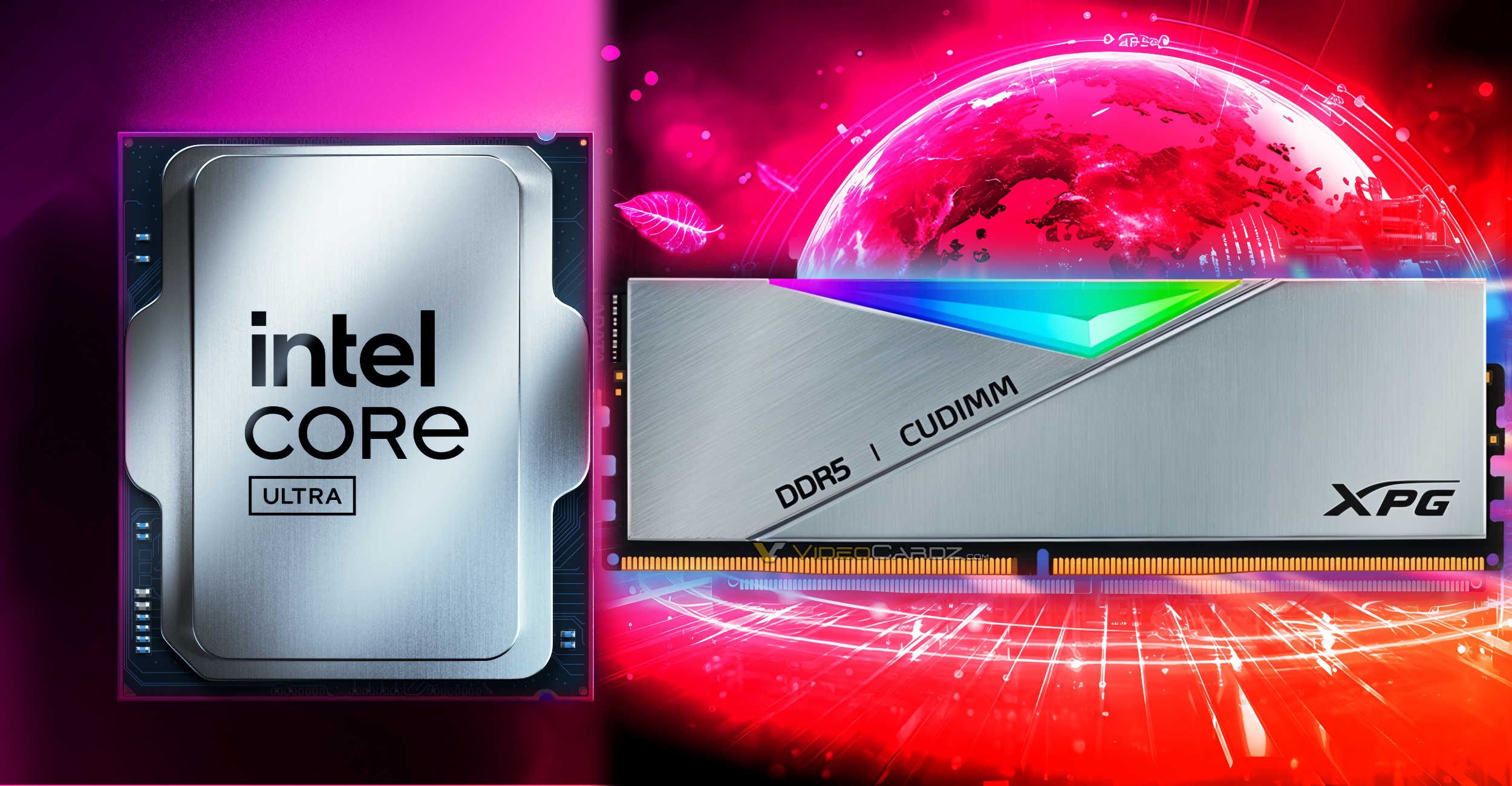
Intel seems to have reshuffled its list of top-tier memory suppliers recently, and the changes aren’t exactly in ADATA’s favor. Industry insiders report that Intel has decided to stop automatically validating ADATA’s memory products for its platforms, specifically mentioning the Intel Z890 motherboards. This shift comes after a change in ADATA’s classification from a Tier 1 vendor to a lower tier, meaning the company no longer enjoys the automatic validation privilege it once did.
For those not in the know, validation is essentially a stamp of approval from Intel that assures motherboard makers the memory will work seamlessly with Intel’s platforms. Without this automatic validation, ADATA now finds itself needing to submit specific requests for compatibility reports from Intel. This extra step marks a significant deviation from the conventional streamlined process, reflecting ADATA’s downgraded status.
A leaked document reveals Intel’s rationale for the reclassification, emphasizing that only DIMMs from Tier 1 and lead Tier 2 vendors will receive automatic validation. Lower-tier suppliers like ADATA are conspicuously absent from Intel’s plans for automatic validation on the Arrow Lake platform.
Speculation is rife that this downgrade might stem from some recent comments by ADATA about their CUDIMM memory—comments that apparently didn’t sit well with Intel. While details of the remarks remain vague, the timing aligns suspiciously with the launch of Intel’s Core Ultra 200 platform and the upcoming release of ADATA’s next-gen CUDIMM memory set to hit speeds up to 9200 MT/s later this year.
While we await ADATA’s official response, this shake-up in supplier status could have notable implications for both companies, potentially impacting the ease with which ADATA partners can integrate their memory into Intel-based systems. Nonetheless, enthusiasts and consumers watching the memory market will no doubt be curious to see how this development impacts ADATA’s future offerings.