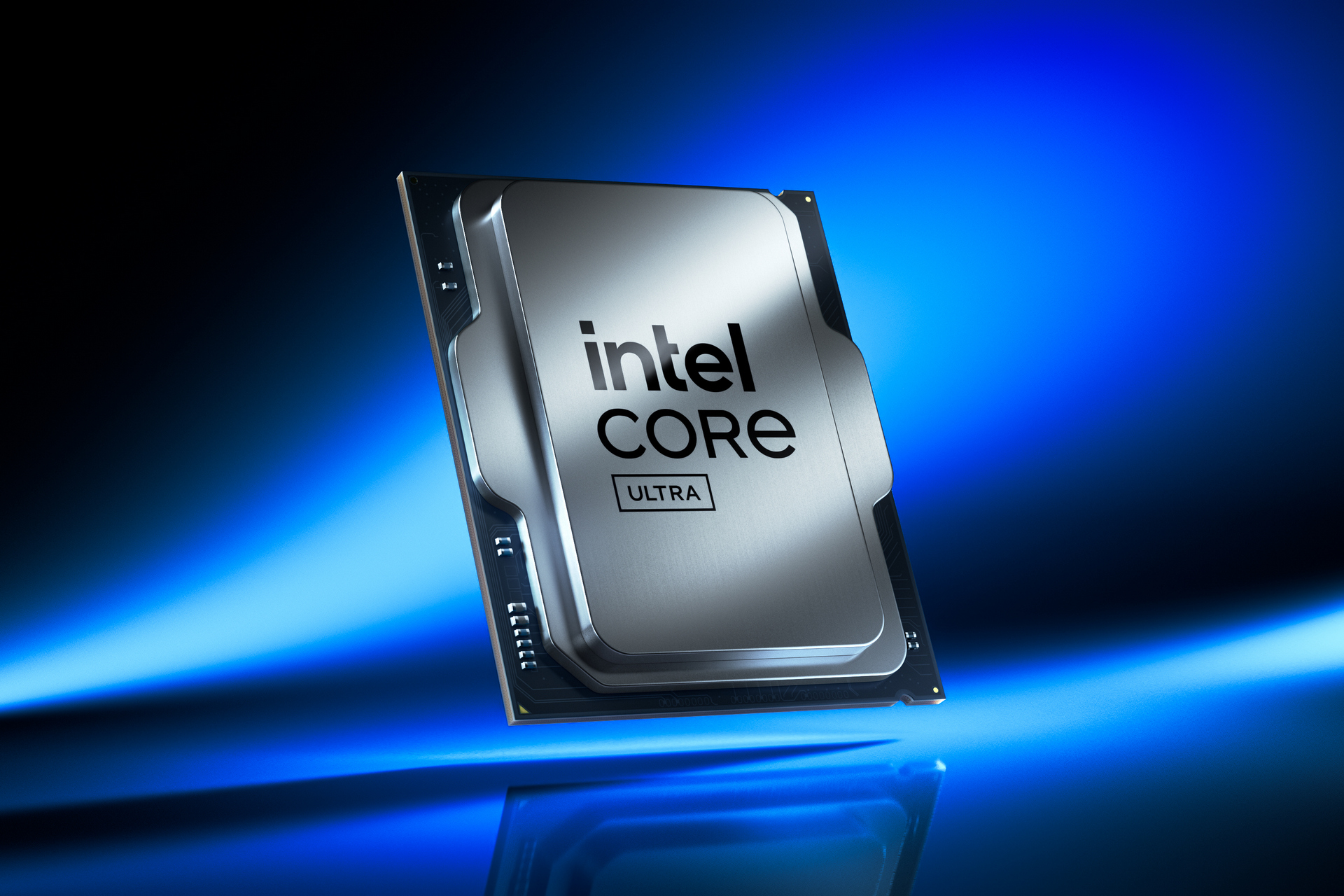
Intel has now officially confirmed that the Core Ultra 9 290K Plus is not coming to market, closing the door on months of leaks, rumors, and benchmark sightings tied to what was expected to be the flagship Arrow Lake Refresh desktop CPU.
The confirmation came directly from Intel in a statement shared with PC Games Hardware, where the company explained that it’s focusing on the models that make the most sense for broad availability and mainstream demand inside the Core Ultra 200S Plus lineup. In other words, Intel is prioritizing the chips most people are actually likely to buy, rather than adding a top-tier part that would sit in a very narrow slice of the market.
Intel Germany Tech Communication Manager Florian Maislinger said the newly launched Core Ultra 7 270K Plus and Core Ultra 5 250K Plus already hit Intel’s internal goals for performance and value, especially for gaming-focused desktop builds. From Intel’s perspective, those processors deliver the “sweet spot” combination of strong frame rates and competitive pricing, making an additional Ultra 9 “Plus” model unnecessary. The company’s stated objective was to maximize performance for the desktop SKUs that are most widely available, leading to the decision to cancel the Ultra 9 290K Plus altogether.
What makes this development especially notable is that the Core Ultra 9 290K Plus didn’t just exist as a concept. It had already shown up in leaks and benchmark listings, which strongly suggested the chip was deep into development. Reports also indicate engineering samples were circulating, both internally and externally, pointing to a late-stage decision rather than an early cancellation.
A big reason the 290K Plus appears to have been cut is product overlap. The processor was expected to use a 24-core configuration that would have landed uncomfortably close to existing options like the Core Ultra 9 285K and the Core Ultra 7 270K Plus. With performance differences likely to be small, Intel would have had to position, price, and market yet another high-end CPU that risked confusing buyers or cannibalizing sales of its current stack.
There’s also the performance angle: PC Games Hardware notes that the Core Ultra 7 270K Plus can match or even outperform the Core Ultra 9 285K in some tests, thanks to a mix of hardware and software optimizations. If a cheaper, lower-tier model can trade blows with the top chip in certain scenarios, Intel has less incentive to introduce an even higher “Plus” flagship that might not clearly separate itself in real-world gaming or productivity results.
So where does Intel’s desktop lineup stand now? The Core Ultra 9 285K remains Intel’s top desktop processor, while the Core Ultra 7 270K Plus sits just below it as the key refreshed Arrow Lake option for enthusiasts who want high performance without stepping into the very top tier.
As for a true next flagship moment, expectations now shift to Intel’s next-generation Nova Lake-S platform. Until that arrives, LGA 1851 desktop buyers shouldn’t expect a new Ultra 9 “Plus” replacement to appear.