Intel is preparing for a major leadership transition at the top of its board. The company has confirmed that board chair Frank Yeary will step down on May 13, 2026, marking his retirement from the role. His departure is already sparking mixed reactions across the semiconductor industry, largely because Yeary’s tenure has been closely associated with some of Intel’s most turbulent recent decisions.
Over the past several years, Intel has been navigating a high-stakes turnaround centered on regaining manufacturing leadership and expanding its foundry business. That push accelerated under former CEO Pat Gelsinger, whose strategy emphasized aggressive process-node targets and heavy investment in advanced chip manufacturing. Intel also positioned itself as a major U.S. beneficiary of domestic semiconductor initiatives, including policy support designed to strengthen American-based research, development, and production.
But while the manufacturing-first vision was ambitious, it did not translate into the shareholder value many investors wanted to see—at least not quickly enough. Intel’s foundry investments have required massive spending, and the payoff has been slower and less dramatic than hoped. As internal and external pressure mounted, Intel experienced a significant administrative shakeup in 2025, including Gelsinger’s exit under reportedly strict circumstances.
A key point of discussion has been the board’s influence during that period—especially Yeary’s. Reports have suggested that Yeary drove a more finance-centric perspective, including support for dramatic structural options such as separating Intel’s manufacturing ambitions through a foundry spin-off. That idea was said to be unpopular with multiple executives inside the company who viewed manufacturing as central to Intel’s long-term competitiveness. Yeary’s time as chair is also remembered for what many describe as a “CEO carousel,” with Intel going through multiple leadership transitions before ultimately appointing Lip-Bu Tan as CEO.
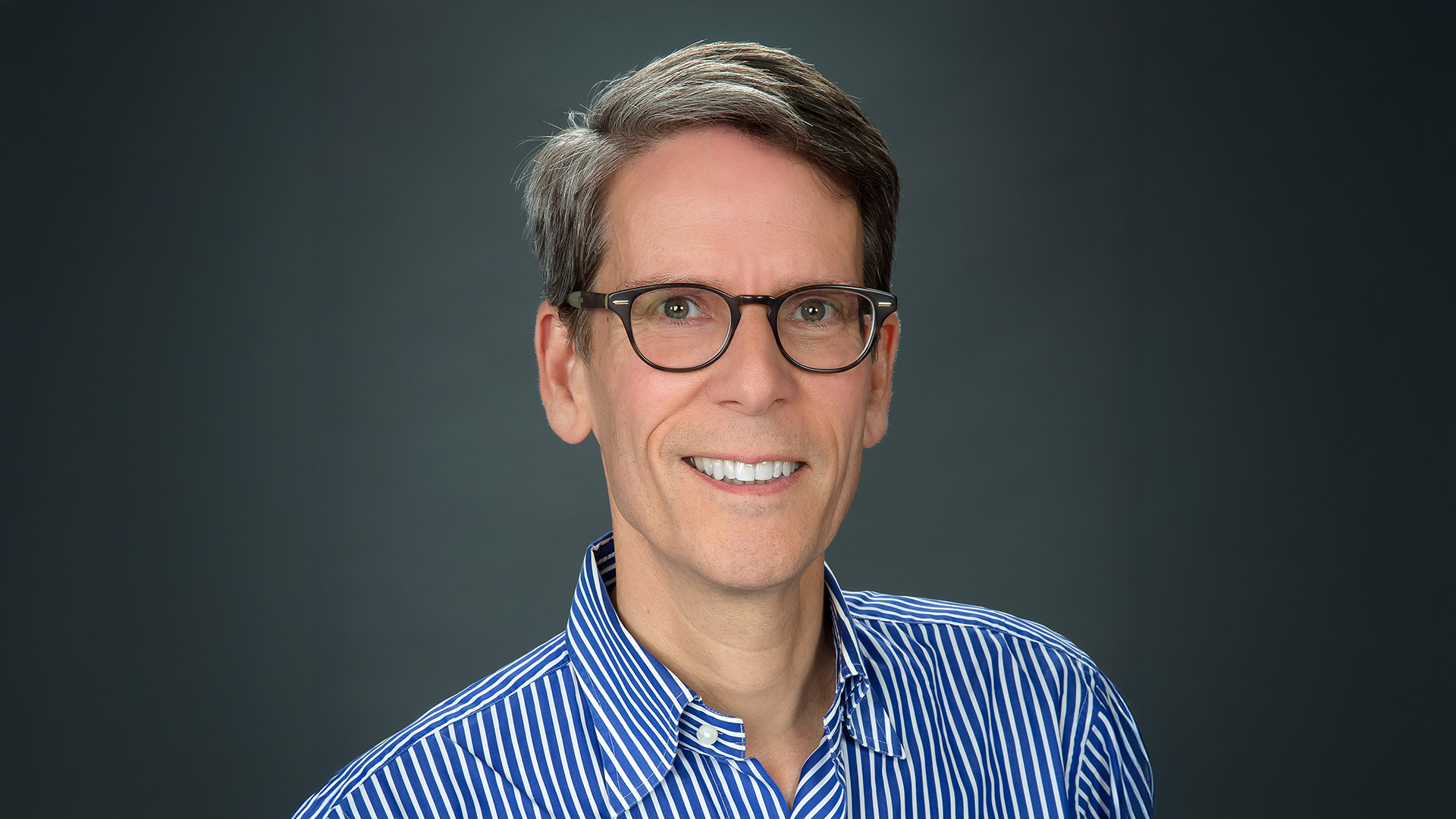
With Yeary leaving, Intel will hand the board chair role to Dr. Craig H. Barratt. Intel emphasized that this is not the same Craig Barrett who previously served as Intel’s CEO—an important distinction given the similarity in names. Still, the incoming chair is widely seen as a shift in tone and priorities. Barratt’s background is strongly rooted in engineering and semiconductor leadership, with experience spanning major technology companies including Qualcomm, Google, and Intel. For observers who want to see Intel double down on execution, product competitiveness, and manufacturing scale, his appointment looks like a deliberate move toward an engineering-first mindset that aligns more closely with Lip-Bu Tan’s direction.
While it remains to be seen how Barratt will shape board oversight and long-term corporate strategy, his early messaging signals a continued commitment to U.S.-anchored innovation and production. In his statement, Barratt said he is focused on supporting rigorous execution, investing in and scaling domestic R&D and manufacturing, and positioning Intel to compete and win in the years ahead.
As Intel continues its efforts to rebuild momentum in advanced chipmaking, board leadership will matter more than ever—especially as the company balances heavy manufacturing investment with investor expectations, competitive pressure from global rivals, and an industry that rewards both speed and flawless execution.


