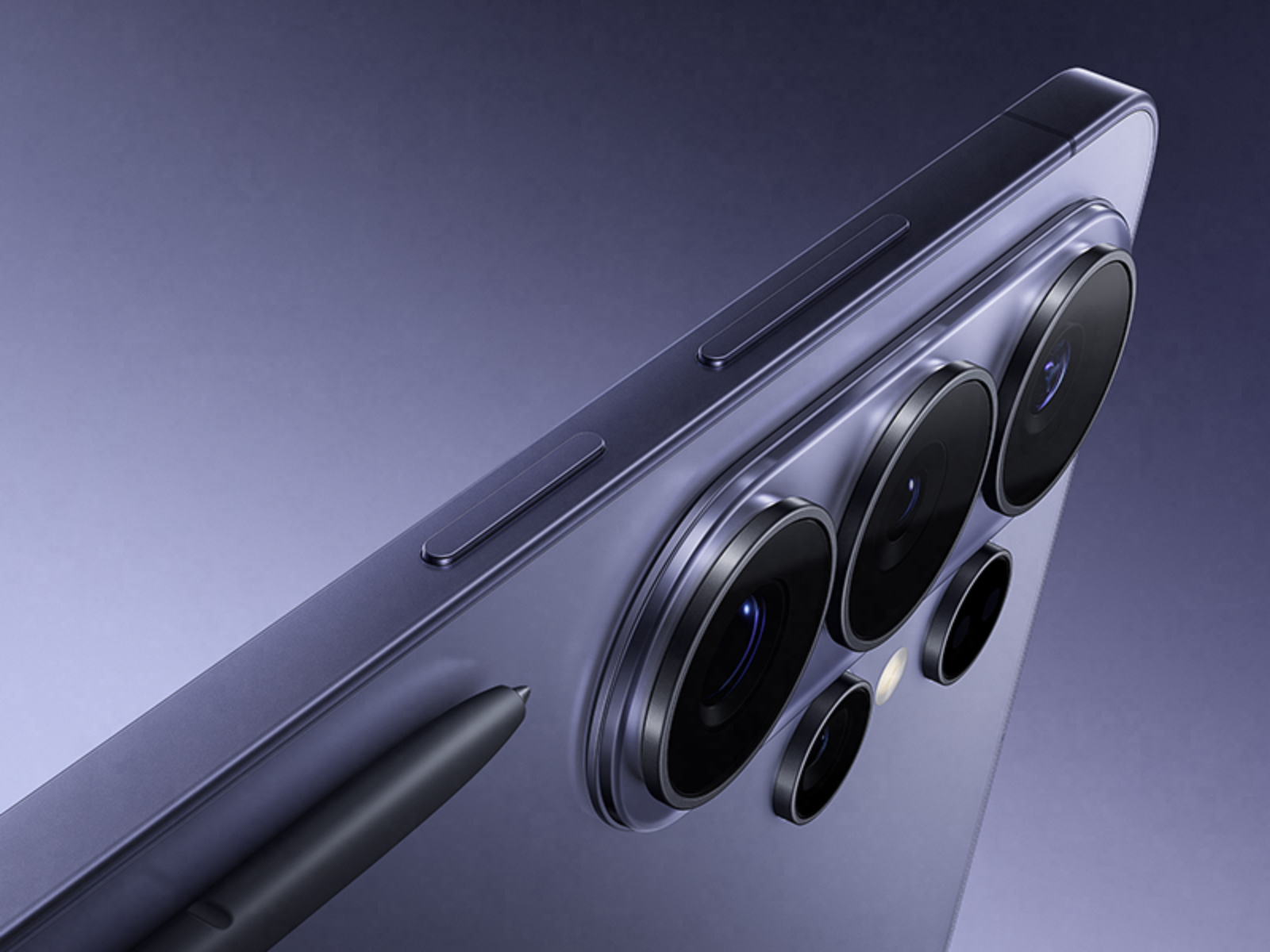
Fresh leaks are already painting an early picture of what could be Samsung’s next major camera leap, with attention shifting to the company’s future top-tier “Ultra” phone. While details are still in the rumor stage and the device name may change before launch, current chatter points to a model being referred to as the Galaxy S27 Ultra—and it may finally bring a long-anticipated sensor switch.
For the past few generations, Samsung has leaned heavily on the same 200MP camera sensor: the ISOCELL HP2. That sensor has powered the main camera experience in every Ultra-branded Galaxy phone since the Galaxy S23 Ultra, and it has even appeared beyond the traditional S-series lineup. Now, sources suggest Samsung is preparing to move on from that aging foundation with a new 200MP solution designed to improve real-world imaging, especially in challenging lighting.
According to recent claims, the new sensor is expected to be the ISOCELL HPA. Even though it reportedly keeps the same headline-grabbing 200MP native resolution as the ISOCELL HP2, the more important change could be the technology inside. The ISOCELL HPA is said to incorporate Lateral Overflow Integration Capacitor (LOFIC) technology, a feature aimed at expanding dynamic range. In practical terms, that could translate to photos and videos that handle bright highlights and deep shadows more gracefully—particularly in HDR situations where phones often struggle, such as sunsets, neon-lit streets, or indoor scenes with bright windows.
There’s still disagreement, however, about one major spec: sensor size. Two well-known leakers are reportedly split, with one pointing to a larger 1/1.12-inch sensor and the other suggesting 1/1.3-inch. That difference matters because sensor size can influence light capture, detail, noise reduction, and depth rendering. If the sensor ends up closer to 1/1.12-inch, it would likely represent a more substantial hardware jump. If it lands at 1/1.3-inch, improvements may rely more heavily on LOFIC and Samsung’s image processing.
Adding another twist, one leak suggests Samsung might rebrand the ISOCELL HPA under a different marketing name, potentially calling it the ISOCELL HP6 in the final product. Samsung has done similar branding moves before, so it wouldn’t be surprising if the sensor arrives under a different label than early rumors use.
For now, it’s worth treating these details as early indicators rather than confirmed specifications. Camera hardware leaks for flagship phones often evolve over time, and the clearest picture typically doesn’t emerge until much closer to launch. Based on current expectations, the most reliable confirmations may not arrive until late 2026.
Still, the bigger takeaway is clear: Samsung’s next Ultra phone could focus less on simply pushing megapixels and more on meaningful upgrades to dynamic range and HDR performance. If the ISOCELL HPA with LOFIC does land in the next-generation device, it may signal a more noticeable camera improvement than a spec-sheet bump—especially for people who care about consistent results in difficult lighting.


